
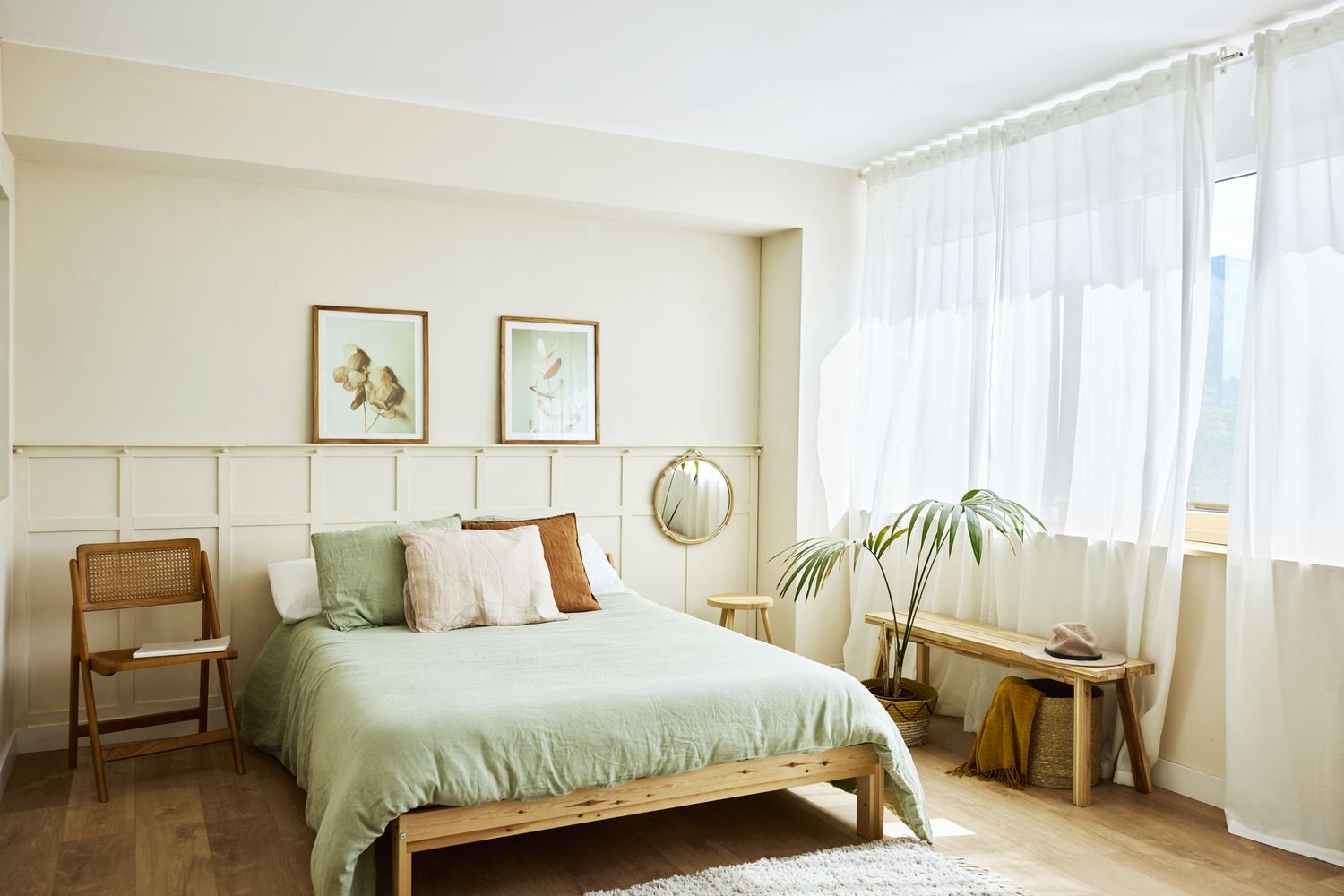
Even a moderately sized bedroom can feel cramped if the layout is poorly planned. In many Miami condos and apartments, square footage is already limited — which means every placement decision matters. The difference between a room that feels open and one that feels tight often comes down to proportion, spacing, and furniture selection.
Here are five common layout mistakes that make bedrooms feel smaller than they actually are — and how to fix them.
1. Oversized Furniture for the Room Dimensions
One of the biggest mistakes is choosing furniture that’s too large for the space.
Common examples include:
- King beds in narrow rooms
- Extra-wide dressers
- Deep nightstands
- Bulky upholstered frames
When furniture consumes too much floor area, walking paths disappear and the room feels compressed.
Before purchasing, measure:
- Wall-to-wall width
- Clearance around the bed
- Drawer extension space
If you’re planning to browse compact bedroom furniture ideas, reviewing scaled-down options helps prevent overcrowding from the start.
2. Blocking Natural Light Sources
Natural light is essential for making bedrooms feel spacious. Blocking windows, balcony doors, or glass panels with tall furniture significantly reduces openness.
Avoid placing:
- Dressers directly in front of windows
- Tall chests beside sliding doors
- Heavy headboards that compete with window height
Instead, position lower-profile pieces near light sources to preserve brightness.
Many homeowners check inventory that fits smaller rooms before planning delivery, ensuring selected pieces complement natural light exposure.
3. Poor Walkway Clearance
Bedrooms should have clear walking paths.
Ideal spacing includes:
- 24–30 inches around at least one side of the bed
- 30 inches in front of dressers
- Unobstructed closet access
When furniture crowds both sides of the bed or blocks door movement, the room instantly feels tighter.
If you’re looking to browse compact bedroom furniture ideas, consider slim-profile nightstands or vertical storage units to preserve circulation.
4. Too Many Furniture Pieces
Trying to include every traditional bedroom component can shrink the room.
Standard sets may include:
- Bed
- Two nightstands
- Wide dresser
- Mirror
- Chest
In smaller bedrooms, this can be excessive.
Instead:
- Use one nightstand
- Choose a storage bed instead of a dresser
- Opt for vertical storage rather than horizontal
Before finalizing layout plans, some residents check inventory that fits smaller rooms to confirm scale compatibility.
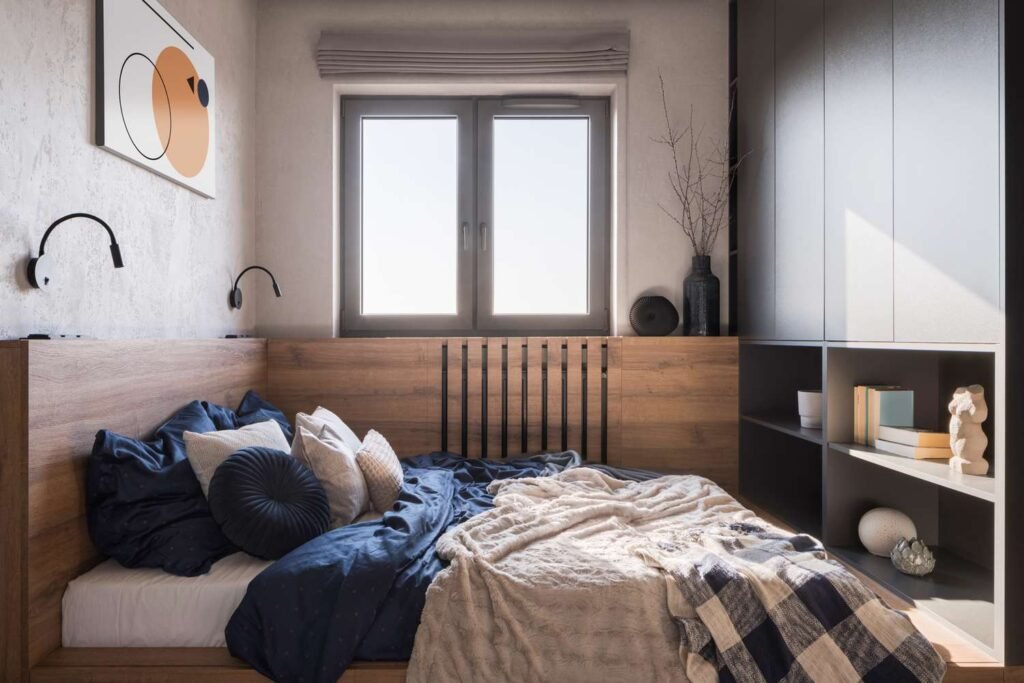
5. Dark, Heavy Finishes in Compact Spaces
Dark wood and thick frames can visually weigh down a bedroom.
In smaller spaces:
- Choose lighter finishes
- Select low-profile beds
- Avoid thick, overstuffed headboards
Light tones reflect more light and create the illusion of openness.
To browse compact bedroom furniture ideas, comparing lighter wood tones and slimmer frames can help maintain visual balance.
Bonus Mistake: Ignoring Vertical Space
Many bedrooms have unused vertical wall space.
Instead of wide dressers, consider:
- Tall, narrow chests
- Floating shelves
- Wall-mounted lighting
This frees up valuable floor space and enhances room proportion.
How to Fix a Tight Bedroom Layout
If your bedroom already feels small:
- Remove one unnecessary furniture piece.
- Shift the bed to the longest uninterrupted wall.
- Replace bulky items with slim-profile alternatives.
- Keep décor minimal.
- Maintain consistent spacing around key pieces.
These small adjustments can dramatically improve how spacious the room feels.
When upgrading furniture, many homeowners check inventory that fits smaller rooms to ensure new pieces align with their revised layout.
Final Thoughts
Layout mistakes — not just square footage — are often responsible for bedrooms feeling smaller than they are. Oversized furniture, blocked light, poor clearance, excessive pieces, and dark heavy finishes all contribute to cramped perception.
By choosing proportional designs, maintaining clear pathways, and selecting lighter finishes, you can transform even a compact bedroom into a balanced, breathable space.
Smart layout planning makes the difference between crowded and comfortable — without changing the room’s actual size..