
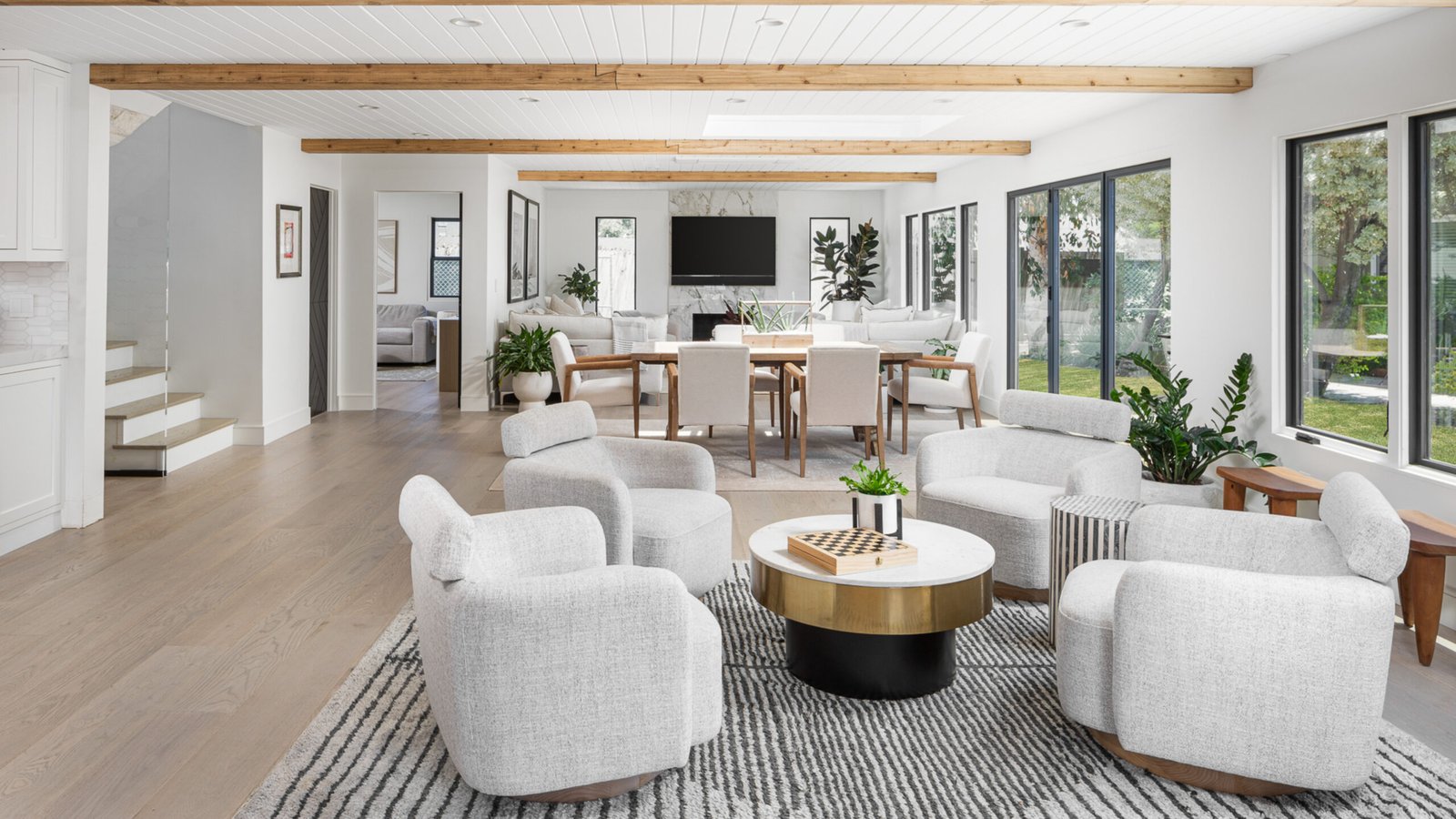
Waterfront properties in Miami offer stunning views, natural light, and coastal breezes — but they also present unique furniture challenges. Salt air, humidity, intense sunlight, and open balcony exposure can all affect furniture durability and long-term performance.
Buying furniture for a waterfront condo or home requires more than choosing what looks good. It demands smart material selection, moisture resistance, and proper layout planning. Avoiding common mistakes can protect your investment and maintain comfort for years to come.
Here’s what to watch for.
Mistake #1: Ignoring Humidity and Salt Exposure
Coastal air carries moisture and salt particles that can impact furniture materials.
Common problems include:
- Rust on untreated metal
- Warping of low-quality wood
- Corrosion of hardware
- Fabric deterioration
When choosing pieces, prioritize:
- Sealed hardwood or engineered wood
- Powder-coated metal frames
- Rust-resistant hardware
- Moisture-resistant finishes
If you’re planning to choose furniture suited for coastal homes, explore durable material options before committing to delicate designs.
Mistake #2: Choosing Dark, Heat-Absorbing Finishes
Waterfront properties often feature large windows and glass doors. Direct sunlight can intensify heat absorption.
Dark finishes may:
- Fade unevenly
- Show salt residue more clearly
- Feel warmer to the touch
- Visually shrink bright spaces
Lighter tones such as natural oak, soft gray, or neutral upholstery maintain brightness and reduce visual heaviness.
Before finalizing your selections, many homeowners check available living room collections to confirm durable finishes designed for coastal environments.
Mistake #3: Overlooking UV Protection
Strong Florida sunlight can fade fabrics and finishes over time.
Look for:
- UV-protected coatings
- Performance fabrics
- Fade-resistant upholstery
- Sealed surfaces
Sheer curtains or UV-filtering window treatments can also help protect interior furniture.
If you want to choose furniture suited for coastal homes, reviewing protective finish details ensures long-term color retention.
Mistake #4: Selecting Heavy, Bulky Pieces
Waterfront properties often emphasize open views and airflow.
Bulky furniture can:
- Block sightlines
- Disrupt natural light
- Make rooms feel closed in
Instead, choose:
- Low-profile sofas
- Open-leg tables
- Streamlined frames
- Minimalist designs
This preserves the airy, coastal feel.
Many buyers confirm scale and availability when they check available living room collections before scheduling delivery.
Mistake #5: Forgetting About Tile Floors
Tile flooring is common in waterfront homes.
Consider furniture with:
- Non-slip leg pads
- Stable, wide bases
- Scratch-resistant feet
Lightweight frames may shift on smooth tile surfaces.
To choose furniture suited for coastal homes, compare stable base designs that accommodate tile flooring.
Mistake #6: Ignoring Airflow Beneath Furniture
In humid environments, airflow prevents moisture buildup.
Choose pieces that:
- Sit slightly elevated
- Allow air circulation beneath
- Avoid trapping humidity against floors
Low clearance furniture can restrict airflow, increasing moisture risk.
Before confirming your order, many residents check available living room collections to ensure designs align with coastal ventilation needs.
Mistake #7: Overcrowding the Space
Waterfront homes often feature open-concept layouts and balconies. Overfurnishing reduces the spacious effect.
Maintain:
- Clear pathways to glass doors
- Unobstructed balcony access
- Minimal visual clutter
Strategic placement preserves openness.
If you’re ready to choose furniture suited for coastal homes, prioritize proportional layouts rather than filling every corner.
Mistake #8: Choosing Delicate Upholstery
Vacation homes and waterfront properties may experience higher foot traffic.
Avoid:
- High-maintenance fabrics
- Light, untreated linens
- Materials prone to staining
Performance fabrics offer easier cleaning and greater durability.
Many homeowners review options and check available living room collections before selecting upholstery for high-exposure areas.
Mistake #9: Not Planning for Replacement Availability
In coastal environments, furniture may require replacement sooner than inland properties.
Choose collections that:
- Have ongoing production
- Offer matching pieces
- Provide readily available inventory
This simplifies future updates.
To choose furniture suited for coastal homes, compare coordinated collections that allow flexible replacements.
Final Thoughts
Avoiding common mistakes when buying furniture for waterfront properties comes down to preparation. Moisture resistance, UV protection, stable construction, and breathable designs are essential in Miami’s coastal environment.
By selecting durable materials, maintaining open layouts, and planning for long-term performance, you can preserve both the beauty and functionality of your waterfront home.
Smart furniture choices ensure your coastal property remains elegant, comfortable, and resilient — season after season.