
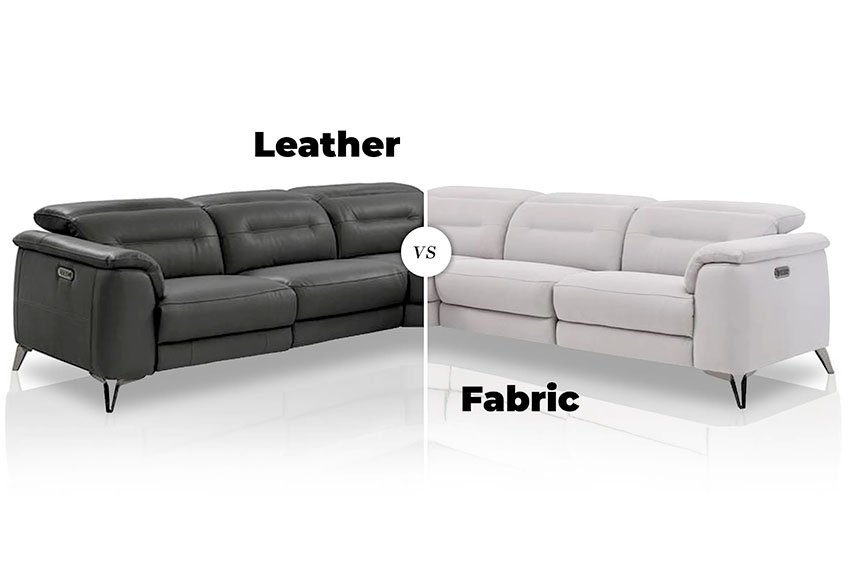
Choosing the right sofa material is especially important in warm climates where temperature, humidity, and daily use can affect both comfort and durability. In Miami homes, sofas are often used year-round, making material selection a key part of creating a comfortable living space. Fabric and leather sofas each offer distinct advantages, but understanding how they perform in warm environments helps homeowners make more informed decisions.
Many shoppers start by browsing a Miami Furniture online selection to compare fabric and leather sofa styles side by side. Viewing different materials within similar designs makes it easier to evaluate how each option aligns with comfort, maintenance, and lifestyle needs.
How Warm Climates Affect Sofa Performance
Warm climates introduce challenges that colder regions do not. Higher humidity levels can influence how materials age, retain heat, and respond to daily use. Sofas that perform well in cooler environments may feel uncomfortable or wear down faster in warmer settings.
Material breathability, moisture resistance, and ease of cleaning all play important roles in long-term satisfaction.
Fabric Sofas in Warm Environments
Fabric sofas are widely popular due to their variety of textures, colors, and patterns. In warm climates, breathable fabrics can feel comfortable and inviting, especially when paired with proper ventilation.
Lightweight weaves and performance fabrics are often better suited for humid environments. These materials allow airflow, reducing heat retention and improving comfort during extended use.
Comfort and Softness
Fabric sofas are often favored for their softness. They provide a cozy seating experience and adapt well to different body temperatures. In warm climates, choosing lighter fabrics helps prevent heat buildup.
The tactile comfort of fabric can make living rooms feel relaxed and inviting, especially in casual settings.
Maintenance Considerations
Fabric sofas require regular cleaning to prevent moisture-related odors or stains. Removable cushion covers and stain-resistant treatments help simplify maintenance.
Homes with pets or children may benefit from performance fabrics designed to resist wear and fading.
Leather Sofas in Warm Climates
Leather sofas offer a different set of benefits, particularly in terms of durability and maintenance. High-quality leather resists spills and can be wiped clean easily, making it appealing for busy households.
However, leather’s interaction with heat and humidity requires consideration.
Temperature Sensitivity
Leather can feel warm to the touch in hot environments, especially when exposed to direct sunlight. While it does not trap odors as easily as fabric, leather can feel less breathable in humid conditions.
Choosing lighter-colored leather and positioning the sofa away from direct sunlight can help improve comfort.
Longevity and Durability
Leather sofas are known for their longevity. When properly maintained, leather develops a natural patina over time rather than showing wear in the traditional sense. This makes leather appealing for homeowners seeking long-term value.
Proper conditioning helps leather remain supple and resistant to cracking in warm climates.
Comparing Breathability and Heat Retention
Breathability is one of the biggest differences between fabric and leather sofas. Fabric generally allows more airflow, making it feel cooler during extended sitting. Leather, while durable, can retain heat more noticeably.
In Miami homes, where air conditioning is common but not always constant, this difference can influence everyday comfort.
Style and Visual Impact
Fabric sofas offer greater flexibility in design. Patterns, textures, and colors allow homeowners to personalize their living spaces easily. This variety makes fabric sofas adaptable to changing décor trends.
In another design context, homeowners exploring sofa styles often compare how fabric and leather options contribute to the overall aesthetic of the living room. Leather sofas tend to project a more polished look, while fabric sofas lean toward casual comfort.
Moisture Resistance and Humidity
Humidity can impact both materials differently. Fabric may absorb moisture if not properly treated, while leather can resist spills but requires conditioning to prevent drying.
Choosing climate-appropriate finishes and treatments helps ensure sofas maintain their appearance and comfort over time.
Comfort Over Extended Use
Comfort during long periods of sitting matters in everyday living. Fabric sofas tend to feel more forgiving and temperature-neutral. Leather sofas may require adjustment during warmer periods but offer firm, supportive seating.
Personal comfort preferences often guide this decision more than climate alone.
Cleaning and Maintenance Effort
Fabric sofas may require vacuuming and occasional deep cleaning, while leather sofas need conditioning and protection from direct sunlight. Maintenance routines differ, but neither option is inherently difficult when properly cared for.
Understanding maintenance requirements helps align expectations with lifestyle habits.
Suitability for Different Households
Households with children or pets may prioritize easy cleaning and durability. Leather offers spill resistance, while certain performance fabrics offer stain protection and durability.
Choosing the right material depends on how the sofa will be used daily.
Cost and Long-Term Value
Fabric sofas often have a lower upfront cost, while leather sofas may cost more initially but offer long-term durability. Evaluating cost over time helps determine overall value rather than focusing solely on price.
Value depends on both performance and how well the sofa fits everyday needs.
Light Exposure and Placement
Sunlight exposure affects both materials. Fabric can fade, while leather can dry out if exposed to direct sunlight for extended periods. Proper placement and window treatments help protect either option.
Awareness of light exposure improves long-term satisfaction.
Mixing Materials for Balance
Some living rooms benefit from mixing materials. A leather sofa paired with fabric accent chairs or vice versa creates balance and flexibility. This approach allows homeowners to enjoy the benefits of both materials.
Mixed-material designs often feel more dynamic and adaptable.
Matching Material to Lifestyle
Lifestyle habits should guide material choice. Homes focused on casual relaxation may prefer fabric, while homes emphasizing durability and easy cleanup may lean toward leather.
Matching material to real-life use leads to better comfort and longevity.
Supporting Comfortable Living in Warm Climates
In warm climates like Miami, comfort and material performance go hand in hand. Selecting the right sofa material enhances everyday living while reducing maintenance challenges.
Miami Furniture offers a range of sofa options designed to perform well in warm environments, balancing comfort, durability, and visual appeal.
Conclusion
Fabric and leather sofas each offer advantages in warm climates, but the best choice depends on comfort preferences, maintenance expectations, and lifestyle needs. Fabric sofas provide breathability and softness, while leather sofas offer durability and easy cleaning. By exploring options through a Miami Furniture online selection and comparing different sofa styles, homeowners can choose seating that supports comfort and longevity in warm-climate living spaces.