
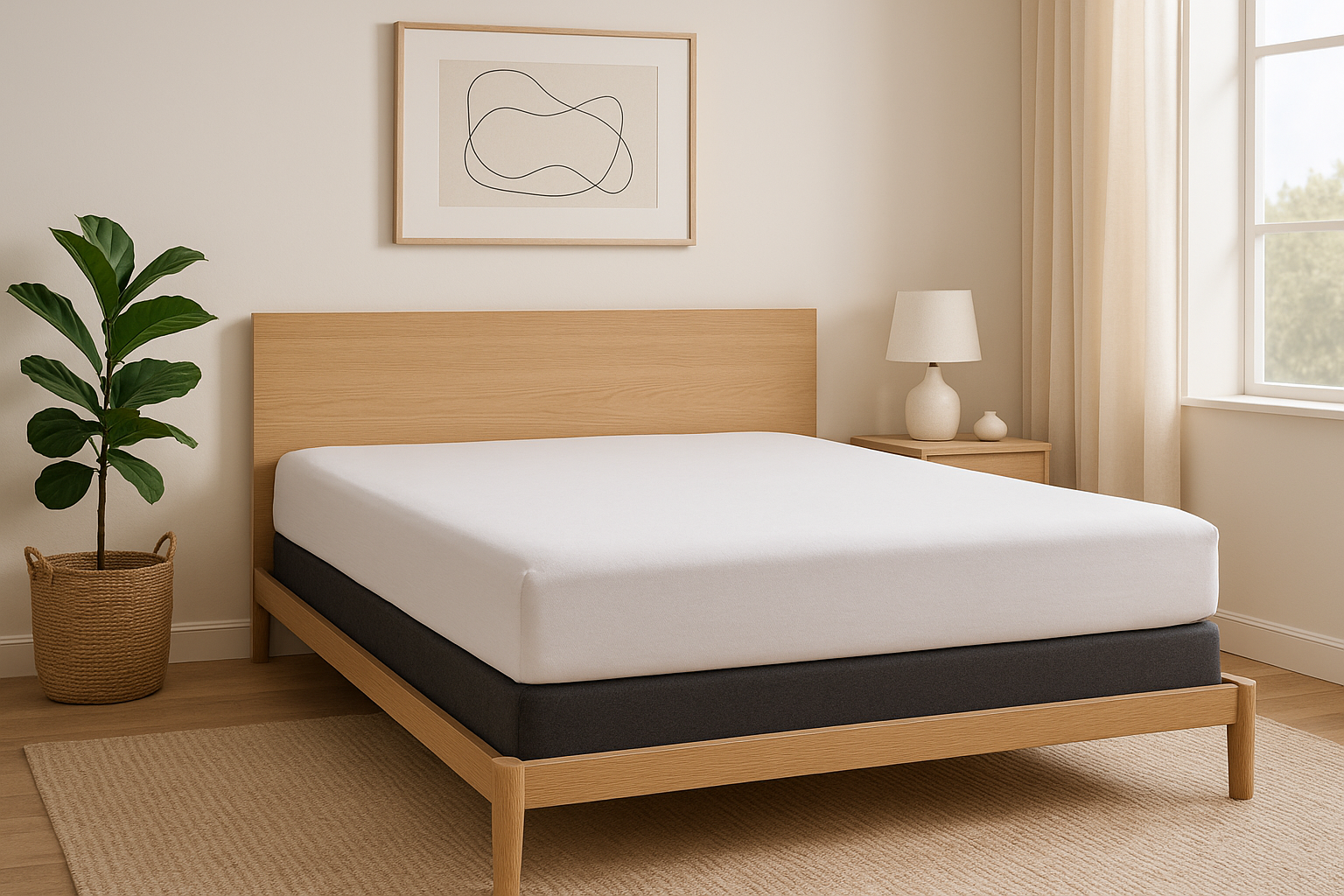
Choosing the right mattress is one of the most important decisions for long-term comfort and sleep quality. With so many options available, two of the most commonly compared choices are memory foam and hybrid mattresses. While both are designed to support restful sleep, they differ significantly in construction, feel, and performance. Understanding these differences helps homeowners make informed decisions based on comfort preferences, sleep habits, and lifestyle needs.
Many shoppers begin comparing options by visiting a Miami Furniture store to explore how memory foam and hybrid mattresses feel in real-world settings. Seeing and testing different mattress designs side by side often clarifies which option aligns better with individual sleep needs.
Understanding Memory Foam Mattresses
Memory foam mattresses are known for their contouring properties. They are designed to respond to body heat and pressure, allowing the material to mold closely to the sleeper’s shape. This creates a cradling sensation that many people find comforting and supportive.
The primary goal of memory foam is pressure relief. By evenly distributing body weight, it reduces stress on joints and pressure points, which can be beneficial for side sleepers and individuals with joint or back discomfort.
How Memory Foam Supports the Body
Memory foam excels at minimizing pressure points. As the foam conforms to the body, it supports natural spinal alignment and reduces strain on areas such as shoulders and hips. This can contribute to fewer sleep disruptions during the night.
However, the same contouring effect can feel restrictive to some sleepers, particularly those who prefer a more responsive or buoyant surface.
Temperature Considerations With Memory Foam
One of the most discussed aspects of memory foam is heat retention. Traditional memory foam can trap heat, which may feel uncomfortable in warmer climates. Modern designs often incorporate cooling gels, open-cell structures, or breathable covers to address this issue.
For Miami homeowners, temperature regulation is an important factor when evaluating memory foam mattresses.
Understanding Hybrid Mattresses
Hybrid mattresses combine multiple materials to balance comfort and support. Typically, they feature a comfort layer made of foam or latex paired with a support core of innerspring coils. This combination aims to deliver both contouring comfort and responsive support.
Hybrids are designed to offer the benefits of different mattress technologies in a single product.
How Hybrid Mattresses Feel in Comparison
Hybrid mattresses tend to feel more responsive than memory foam. The coil support layer provides bounce and makes it easier to change positions during sleep. This responsiveness appeals to sleepers who dislike the “sinking” sensation of memory foam.
At the same time, the foam comfort layers in hybrids still provide pressure relief, though often less pronounced than pure memory foam mattresses.
Support and Spinal Alignment Differences
Both memory foam and hybrid mattresses can support proper spinal alignment, but they achieve this in different ways. Memory foam relies on contouring to fill in gaps along the body, while hybrids use coil systems to maintain structure and lift.
Sleepers with heavier body weight or those who prefer firmer support may find hybrids more comfortable over time due to their reinforced core.
Motion Isolation and Sleep Disturbance
Motion isolation is an important consideration for couples. Memory foam mattresses typically perform very well in this area, absorbing movement and reducing sleep disturbance when one partner shifts positions.
Hybrid mattresses may transfer more motion due to their coil systems, although many modern hybrids use individually wrapped coils to minimize this effect.
Edge Support and Usable Surface Area
Edge support affects how much of the mattress can be used comfortably. Memory foam mattresses may compress near the edges, making them feel less stable when sitting or sleeping near the perimeter.
Hybrid mattresses generally offer stronger edge support due to their coil construction, which can increase usable sleep space and make getting in and out of bed easier.
Durability and Longevity
Durability depends on materials and construction quality. High-density memory foam mattresses can last for many years, but lower-quality foams may develop sagging or indentations over time.
Hybrid mattresses often benefit from the durability of steel coils combined with resilient comfort layers, which can help maintain structure longer under regular use.
Suitability for Different Sleep Positions
Sleep position plays a major role in mattress selection. Side sleepers often prefer memory foam for its pressure-relieving properties. Back sleepers may find both options suitable, depending on firmness.
Stomach sleepers often benefit from the added support of hybrid mattresses, which can prevent excessive sinking and maintain alignment.
Noise and Movement
Memory foam mattresses are virtually silent due to their all-foam construction. Hybrid mattresses may produce slight noise from coils, although modern designs significantly reduce this issue.
Noise sensitivity can influence preference, particularly for light sleepers.
Ease of Movement and Responsiveness
Some sleepers value ease of movement when turning or changing positions. Memory foam can feel restrictive due to its slow response time. Hybrids offer quicker responsiveness, making movement easier.
This difference can be especially noticeable for combination sleepers who change positions throughout the night.
Mattress Weight and Handling
Memory foam mattresses are often heavy and difficult to move due to dense foam layers. Hybrid mattresses are also heavy, but their weight distribution differs due to coil construction.
Ease of handling may matter during setup, rotation, or relocation.
Cost Considerations
Price varies widely for both types. Memory foam mattresses are available across a broad price range, from budget-friendly to premium options. Hybrid mattresses often cost more due to their complex construction but may offer greater long-term value for some sleepers.
Evaluating cost alongside comfort and durability provides a clearer picture of overall value.
Choosing Based on Lifestyle and Preferences
Lifestyle factors such as climate, sleep habits, and personal comfort preferences should guide mattress choice. Those who prefer deep contouring and motion isolation may lean toward memory foam, while sleepers who value support, airflow, and responsiveness may prefer hybrids.
Understanding daily routines and sleep priorities helps narrow the decision.
Comparing Mattress Technologies Thoughtfully
Rather than focusing on labels alone, it’s helpful to compare mattress construction, materials, and performance features. This approach leads to more informed decisions and better sleep outcomes.
In another selection context, homeowners often explore different mattress types to understand how memory foam and hybrid designs compare across comfort levels, support systems, and materials.
Climate Factors in Mattress Selection
Miami’s warm climate makes airflow and temperature control especially important. Hybrid mattresses often allow better airflow due to their coil cores, while memory foam relies on cooling technologies to regulate temperature.
Choosing designs that address heat retention improves sleep comfort year-round.
Long-Term Sleep Quality and Satisfaction
The right mattress supports consistent, restorative sleep. Both memory foam and hybrid mattresses can deliver excellent results when matched to the right sleeper.
Taking time to compare features, test comfort, and understand differences leads to higher long-term satisfaction.
Conclusion
Memory foam and hybrid mattresses each offer distinct benefits, and the best choice depends on individual sleep needs, comfort preferences, and lifestyle factors. Memory foam excels in pressure relief and motion isolation, while hybrid mattresses balance contouring with responsive support and airflow. By exploring options at a Miami Furniture store and comparing different mattress types thoughtfully, homeowners can select a mattress that supports comfort, durability, and better sleep quality over the long term.