
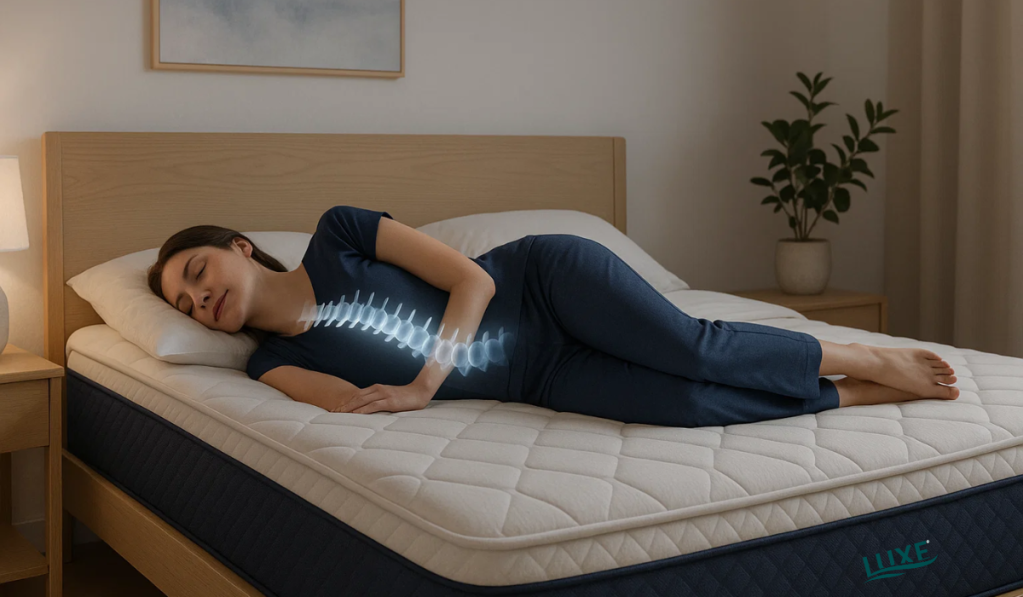
Choosing the right mattress is one of the most important decisions you can make for your sleep quality and overall health. Among the many factors to consider, mattress firmness plays a crucial role in how well your back is supported throughout the night. The wrong firmness level can lead to discomfort, poor posture during sleep, and even long-term back pain.
This article explains how mattress firmness impacts back support, helping you understand which firmness level may be best for your body, sleeping position, and comfort needs.
Why Back Support Matters During Sleep
Your spine needs proper alignment while you sleep. When your back is well supported, your muscles can relax, pressure points are reduced, and your body can recover from daily stress.
Poor back support may result in:
-
Morning stiffness
-
Lower back pain
-
Neck and shoulder discomfort
-
Restless sleep
Selecting the right mattress firmness helps maintain natural spinal alignment throughout the night.
What Mattress Firmness Really Means
Mattress firmness refers to how hard or soft a mattress feels when you lie down on it. It does not necessarily indicate the quality of the mattress but rather how much resistance it provides to your body weight.
Firmness is often described on a scale ranging from:
-
Soft
-
Medium-soft
-
Medium
-
Medium-firm
-
Firm
Understanding these categories helps you make a more informed choice.
How Firm Mattresses Support the Back
Firm mattresses provide a stable surface that prevents excessive sinking.
Benefits of Firm Mattresses
-
Keeps the spine more aligned
-
Reduces sagging in the midsection
-
Supports heavier body types
Firm mattresses are often recommended for people who sleep on their back or stomach, as they help prevent the hips from sinking too deeply.
Potential Drawbacks of Firm Mattresses
While firm mattresses offer strong support, they may not be comfortable for everyone.
Possible downsides include:
-
Increased pressure on shoulders and hips
-
Reduced cushioning for side sleepers
-
Feeling too rigid for lighter body types
Comfort is just as important as support, so firmness should be balanced with pressure relief.
How Soft Mattresses Affect Back Support
Soft mattresses allow more contouring around the body.
Benefits of Soft Mattresses
-
Better pressure relief
-
Comfortable for side sleepers
-
Enhanced cushioning for joints
Soft mattresses can reduce pressure points but may lack sufficient support for some sleepers.
When Soft Mattresses Can Cause Back Issues
Too much softness can allow the spine to sink out of alignment.
This may lead to:
-
Lower back strain
-
Poor spinal posture
-
Discomfort upon waking
Soft mattresses are generally better suited for lighter individuals or those who primarily sleep on their side.
Why Medium and Medium-Firm Mattresses Are Popular
Medium and medium-firm mattresses strike a balance between comfort and support.
Advantages of Medium-Firm Mattresses
-
Supports spinal alignment
-
Provides moderate cushioning
-
Suitable for multiple sleeping positions
Many people find this firmness level ideal for maintaining back support without sacrificing comfort.
Exploring different mattress firmness options can help identify which level feels most supportive for your body.
Sleeping Position and Mattress Firmness
Your preferred sleeping position significantly affects which firmness level is best.
Back Sleepers
-
Benefit from medium to firm mattresses
-
Require even spinal support
Side Sleepers
-
Prefer medium-soft to medium firmness
-
Need pressure relief at shoulders and hips
Stomach Sleepers
-
Often need firmer mattresses
-
Require minimal sinking at the hips
Matching firmness to sleeping position improves back support and comfort.
Body Weight and Firmness Selection
Body weight also influences how a mattress feels.
-
Lighter individuals may prefer softer mattresses
-
Average-weight sleepers often choose medium firmness
-
Heavier individuals typically need firmer support
The same mattress can feel very different depending on body type.
Mattress Materials and Firmness Feel
Materials affect how firmness is experienced.
Common materials include:
-
Memory foam
-
Innerspring
-
Hybrid designs
Each material offers a different combination of contouring and support, even at the same firmness level.
Testing Firmness Before Buying
Trying a mattress before purchasing helps ensure proper support.
Tips:
-
Lie down in your normal sleeping position
-
Spend several minutes testing comfort
-
Pay attention to spinal alignment
Testing reduces the risk of choosing the wrong firmness.
Long-Term Back Health Considerations
A mattress that supports your back properly can improve sleep quality over time.
Benefits include:
-
Reduced chronic pain
-
Improved posture
-
Better overall rest
Investing in the right firmness supports long-term health.
Final Thoughts
Mattress firmness plays a vital role in back support and overall sleep comfort. Choosing the right firmness depends on sleeping position, body weight, and personal preference. A balanced level of support helps maintain spinal alignment and reduces discomfort.
When you shop Miami Furniture and explore a range of mattress firmness options, you can find a mattress that supports your back properly and helps you wake up feeling rested and refreshed.