
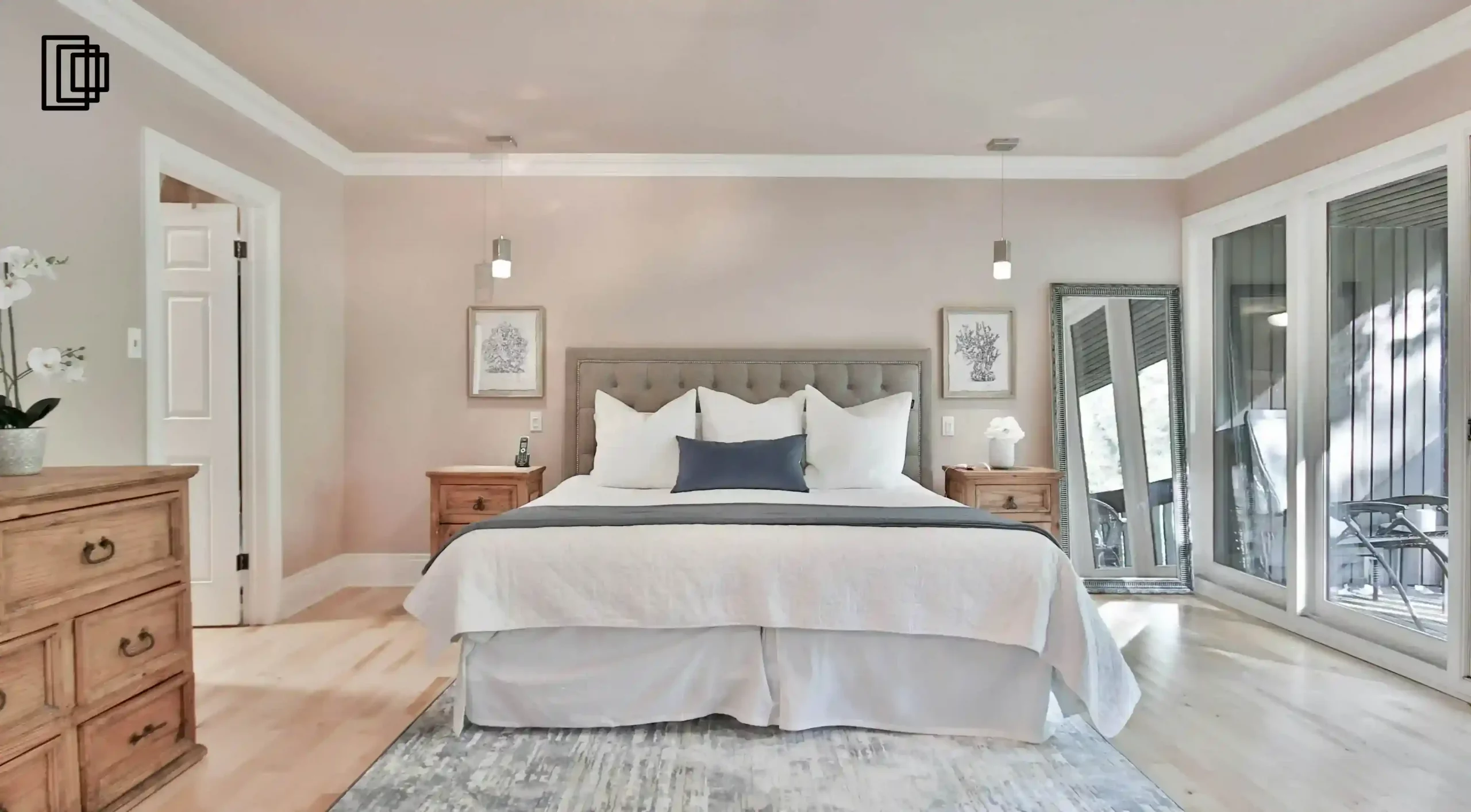
Planning your bedroom layout properly can save you time, money, and frustration. When it comes to planning bedroom furniture before measuring your room, many people make the mistake of shopping first and measuring later. That often leads to oversized beds, cramped walkways, or furniture that simply doesn’t fit through the door.
A well-designed bedroom should feel peaceful, functional, and spacious — even if the square footage is limited. Whether you’re furnishing a master suite or a compact apartment bedroom, thoughtful preparation ensures you create a balanced and comfortable retreat.
Let’s walk through the right way to plan before you pull out the measuring tape.
Start With a Clear Vision
Before thinking about dimensions, decide how you want your bedroom to feel.
Ask yourself:
-
Do you prefer modern minimalism or classic elegance?
-
Do you need extra storage?
-
Is this space strictly for sleeping or multi-functional?
-
Do you want a statement bed or a subtle design?
Having a style direction first prevents impulse purchases later.
Many homeowners begin by browsing collections online to visualize options before finalizing measurements. You can shop Miami Furniture online to explore bedroom styles that match your aesthetic goals.
Understand Standard Bedroom Furniture Sizes
Knowing typical furniture dimensions helps you anticipate layout needs.
Here are general size ranges:
-
Queen bed: 60” x 80”
-
King bed: 76” x 80”
-
Nightstands: 18”–30” wide
-
Standard dresser: 60” wide
-
Chest of drawers: 30”–40” wide
While these are averages, understanding scale helps you estimate what might realistically fit in your space.
Plan for Proper Walking Space
A common mistake is placing furniture too tightly together.
For comfort and safety:
-
Leave at least 24–30 inches of walking space around the bed
-
Ensure drawers can fully open
-
Allow clearance for closet doors
Even luxurious furniture feels uncomfortable if movement feels restricted.
Consider Doorways and Entry Points
Before finalizing purchases, think about access.
Check:
-
Bedroom door width
-
Hallway clearance
-
Staircases (if applicable)
-
Elevator dimensions in condos
Many oversized headboards or dressers cause delivery complications simply because entry points were overlooked.
Prioritize the Bed First
The bed is the focal point of any bedroom.
When planning:
-
Position the bed on the longest wall
-
Avoid blocking windows
-
Keep symmetry in mind for nightstands
-
Consider ceiling height if choosing a tall headboard
Once the bed placement is determined, other pieces can be arranged more effectively.
Think About Storage Needs Early
Storage impacts your entire layout.
If closet space is limited, you may need:
-
A larger dresser
-
A chest of drawers
-
Under-bed storage
-
Storage benches
This is where exploring space-saving bedroom furniture ideas becomes essential. Pieces designed with hidden compartments or vertical storage maximize functionality without overcrowding the room.
You can discover practical space-saving bedroom furniture ideas that combine elegance and efficiency for smaller bedrooms.
Choose the Right Nightstand Size
Nightstands should complement — not overwhelm — your bed.
Guidelines:
-
Height should align with the mattress top
-
Width should balance visually with the headboard
-
Include drawers if extra storage is needed
In smaller rooms, wall-mounted nightstands are excellent alternatives.
Avoid Overcrowding With Extra Furniture
It’s tempting to add:
-
Accent chairs
-
Vanity tables
-
Large mirrors
-
Benches
However, in modest-sized bedrooms, restraint is key.
Stick to essentials first:
-
Bed
-
Nightstands
-
Dresser
Additional pieces should only be added if space comfortably allows.
Use Visual Planning Tools
Before physically measuring, sketch your layout.
You can:
-
Draw a scaled floor plan
-
Use painter’s tape on the floor
-
Arrange paper cutouts to simulate furniture placement
This exercise helps you visualize proportions realistically.
Browsing layouts when you shop Miami Furniture online can also inspire practical room arrangements.
Select Furniture With Proper Scale
Scale is different from size.
For example:
-
A low-profile bed frame works better in rooms with low ceilings.
-
Tall, narrow dressers maximize vertical space.
-
Platform beds feel lighter than bulky traditional frames.
Smart scaling ensures the room feels balanced rather than cramped.
Factor in Lighting and Outlet Placement
Furniture planning should account for electrical outlets and lighting.
Ensure:
-
Nightstands are near outlets for lamps
-
Dressers don’t block wall switches
-
Mirrors reflect natural light
Proper lighting enhances comfort and functionality.
Balance Aesthetics With Practicality
Affordable luxury doesn’t mean oversized furniture.
Instead, focus on:
-
Solid wood construction
-
Durable finishes
-
Neutral tones
-
Clean lines
Well-crafted pieces maintain elegance without overwhelming the space.
Exploring curated bedroom sets when you shop Miami Furniture online allows you to coordinate pieces efficiently.
FAQ: Planning Bedroom Furniture Before Measuring Your Room
1. Why should I plan before measuring?
Planning helps you determine style, storage needs, and layout direction before focusing on exact dimensions.
2. How much space should be left around a bed?
Ideally, leave 24–30 inches of walking space on each accessible side.
3. What are good space-saving bedroom furniture ideas?
Platform beds with storage drawers, tall chests, and wall-mounted nightstands are excellent space-saving bedroom furniture ideas.
4. Should I buy a king bed for a small bedroom?
Only if the room comfortably allows proper walking space and additional furniture.
5. How do I avoid overcrowding my bedroom?
Start with essentials and add extra pieces only if the layout supports them.
6. Where can I find coordinated bedroom sets?
You can shop Miami Furniture online to explore curated bedroom collections designed for both style and functionality.
Final Thoughts
Planning bedroom furniture before measuring your room gives you clarity and control. By identifying your style, understanding scale, anticipating storage needs, and thinking through layout logistics, you avoid costly mistakes and create a bedroom that feels spacious and refined.
The right approach ensures your bedroom becomes a restful retreat — combining comfort, function, and understated luxury in perfect harmony.