
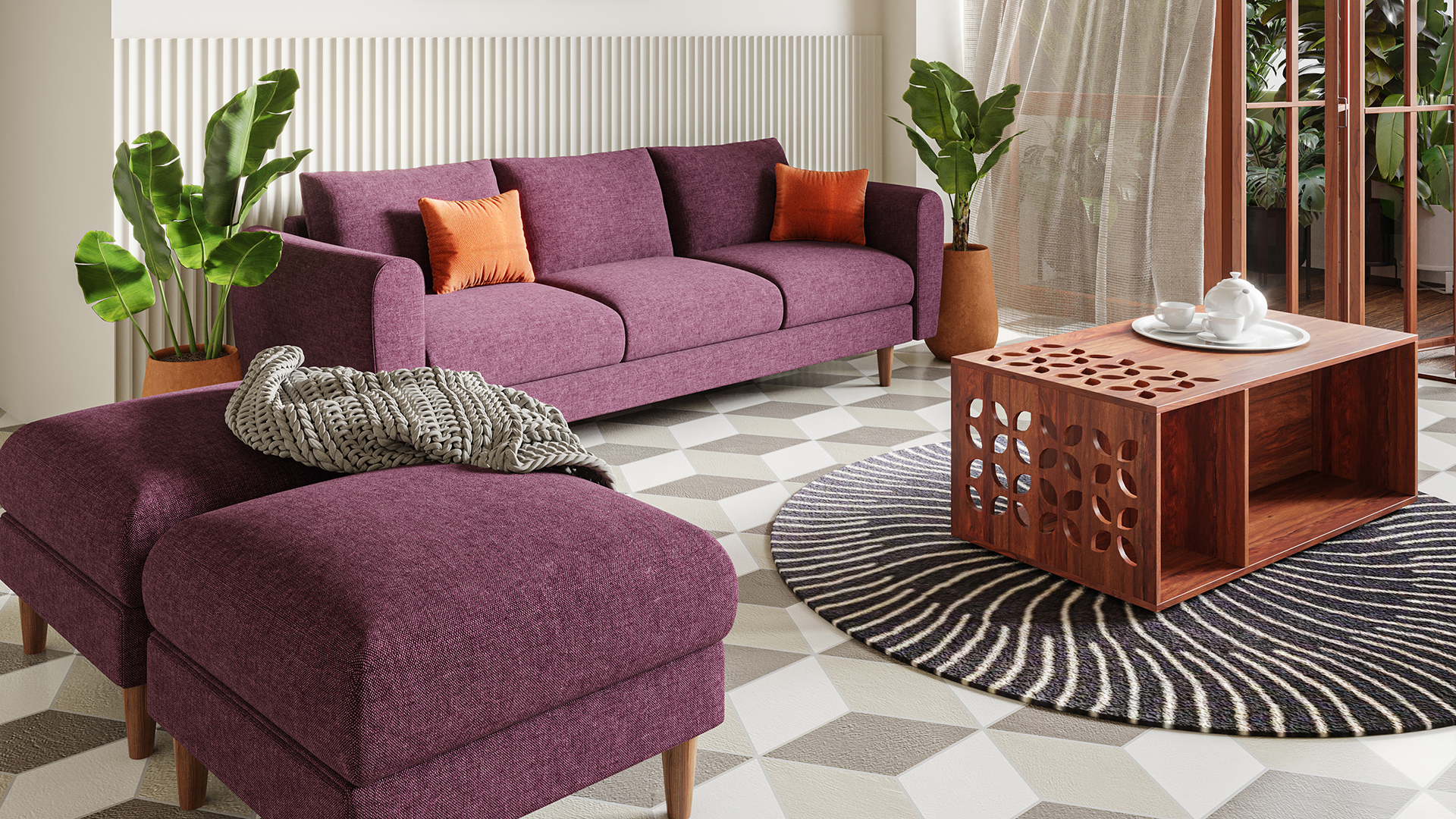
Your living room is one of the most used spaces in your home. It’s where you relax after a long day, entertain guests, watch television, and spend time with family. Because of this, arranging living room seating properly is essential for comfort, functionality, and style.
A beautiful sofa alone doesn’t guarantee a comfortable space. The way seating is positioned determines how natural the room feels and how easily it supports daily life. With thoughtful planning, you can create a layout that feels inviting, open, and refined without overcrowding the room.
Let’s explore how to arrange your seating for everyday living while maintaining a polished and practical design.
Start With a Clear Focal Point
Every living room should have a focal point. This anchors your seating arrangement and creates visual balance.
Common focal points include:
-
A television
-
A fireplace
-
Large windows
-
A statement wall
Arrange seating to face or frame the focal point. For example, position your main sofa directly opposite the television or fireplace, then build around it with accent chairs or loveseats.
When selecting pieces, consider options in stylish living room furniture that enhance the focal point rather than compete with it.
Prioritize Conversation Flow
Living room seating should encourage natural interaction.
To improve conversation flow:
-
Keep seats within 8–10 feet of each other
-
Angle chairs slightly inward
-
Avoid placing large gaps between pieces
This creates a welcoming atmosphere where guests feel included rather than isolated.
Maintain Proper Walkways
Daily use requires easy movement through the space.
Allow:
-
30–36 inches for main walkways
-
18 inches between coffee table and sofa
-
Clear paths to doorways
Overcrowded layouts restrict movement and reduce comfort. A functional design ensures seating enhances flow rather than blocking it.
Choose the Right Sofa Size
Scale is crucial when arranging seating.
If your sofa is too large:
-
The room feels cramped
-
Movement becomes restricted
-
Other furniture feels squeezed
If it’s too small:
-
The space feels incomplete
-
Seating may not accommodate daily needs
When you shop Miami Furniture online, consider room dimensions carefully and select pieces proportionate to your layout.
Use Accent Chairs for Flexibility
Accent chairs add versatility without overwhelming the space.
They:
-
Provide additional seating
-
Improve symmetry
-
Add personality
-
Allow easy repositioning
Chairs can be angled toward the sofa or placed diagonally for a softer look.
High-quality stylish living room furniture often includes coordinated accent options designed for balance.
Consider Sectionals for Larger Spaces
In open floor plans, sectionals can define seating areas effectively.
Benefits include:
-
Maximizing seating capacity
-
Creating natural boundaries
-
Enhancing comfort for family gatherings
However, ensure the sectional does not block walkways or overwhelm the room.
Anchor the Space With a Rug
Area rugs help define seating zones.
Choose a rug large enough so:
-
Front legs of sofas and chairs rest on it
-
Seating feels visually connected
-
The space feels cohesive
Rugs soften hard flooring and improve acoustics, enhancing everyday comfort.
Balance Symmetry and Practicality
Symmetrical layouts often feel calm and organized.
For example:
-
Sofa centered with matching chairs
-
Identical side tables
-
Balanced lighting
However, daily functionality should come first. If your household prefers lounging, prioritize comfort over strict symmetry.
When exploring layout-friendly designs, you can shop Miami Furniture online to find seating that suits both aesthetics and daily habits.
Add Multi-Functional Pieces
Daily use demands flexibility.
Consider:
-
Storage ottomans
-
Lift-top coffee tables
-
Modular seating
These pieces provide additional function while maintaining elegance.
Well-designed stylish living room furniture often combines clean lines with practical features, making it ideal for everyday living.
Position Lighting Strategically
Lighting enhances seating arrangements.
Place:
-
Floor lamps near reading chairs
-
Table lamps beside sofas
-
Overhead lighting centered above seating
Layered lighting improves comfort and usability.
Avoid Pushing Everything Against Walls
Many people place all seating against walls to create more space. Ironically, this can make the room feel disconnected.
Instead:
-
Float furniture slightly inward
-
Create intimate seating clusters
-
Leave breathing room behind pieces
This approach enhances both style and interaction.
Adapt Seating to Lifestyle Needs
Your seating layout should reflect how you actually use the room.
If you:
-
Host often → prioritize conversation seating
-
Watch TV daily → center around entertainment
-
Have children → allow open play space
Function always guides comfort.
FAQ: Arranging Living Room Seating for Daily Use
1. How far apart should living room seats be?
Ideally within 8–10 feet to encourage conversation.
2. Should furniture touch the walls?
Not necessarily. Floating pieces can improve flow.
3. How do I choose the right sofa size?
Measure your room carefully and leave proper walkway space.
4. Is a sectional better than a sofa?
It depends on room size and seating needs.
5. Where can I find coordinated seating options?
You can shop Miami Furniture online to explore complete living room collections.
6. What defines stylish living room furniture?
Balanced proportions, durable materials, and timeless design define stylish living room furniture.
Final Thoughts
Arranging living room seating for daily use requires balance between comfort, function, and design. A thoughtful layout improves movement, encourages conversation, and enhances relaxation.
By selecting well-proportioned pieces and positioning them strategically, you can create a living room that feels both refined and practical. When seating supports your lifestyle, everyday living becomes effortless and enjoyable.