
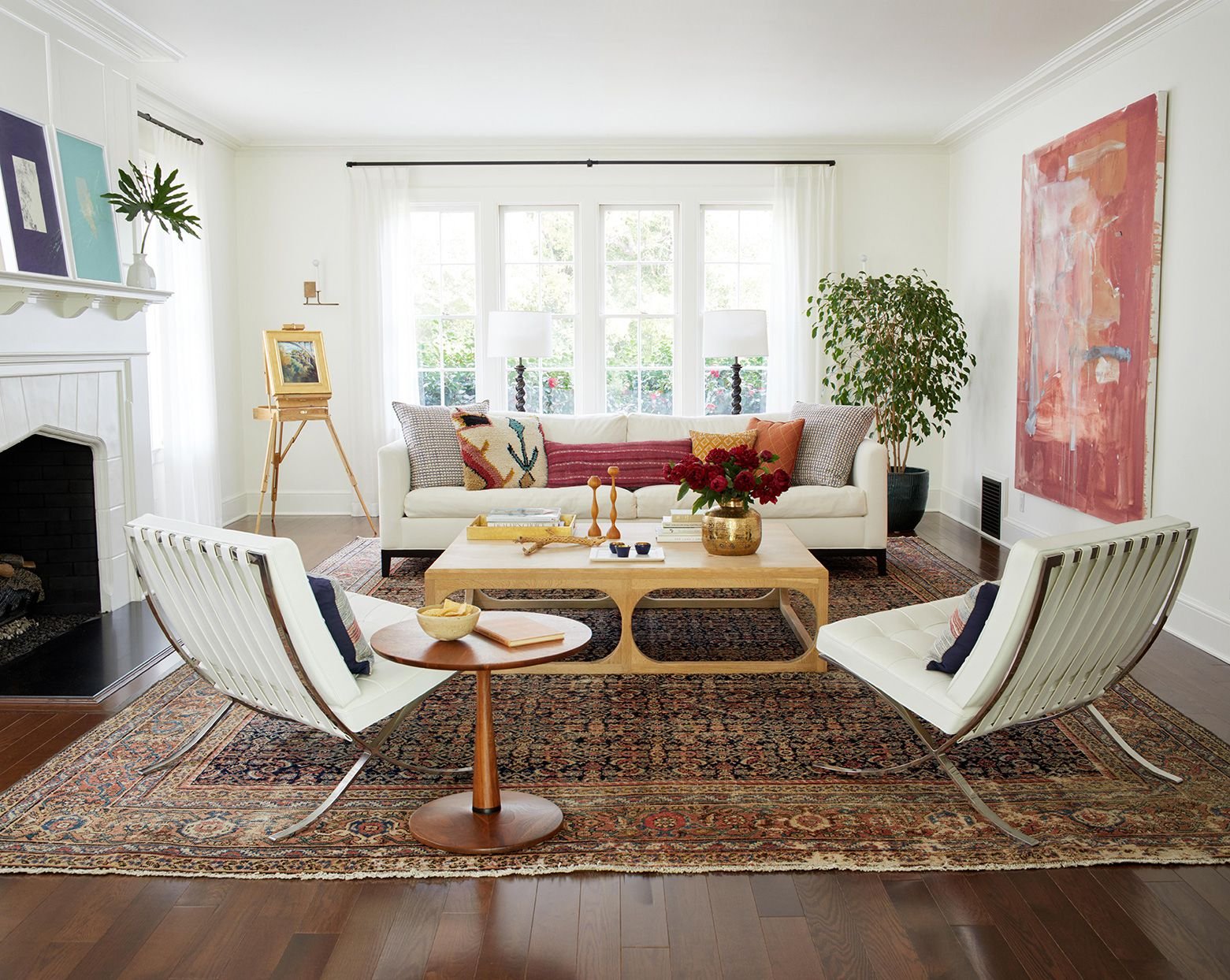
A well-designed living room does more than look beautiful — it brings people together. The way furniture is arranged can either invite conversation or unintentionally discourage it. Thoughtful planning ensures your space feels warm, welcoming, and naturally social.
Living rooms are often the heart of the home. Whether you’re hosting friends, spending time with family, or enjoying quiet evenings, the layout plays a crucial role in comfort and connection. By understanding how to position seating properly, you can create an environment that feels balanced, open, and inviting.
Let’s explore practical strategies for designing living room layouts that truly encourage conversation.
Start With a Central Gathering Point
Every conversation-friendly living room needs a central anchor.
This can be:
-
A coffee table
-
A fireplace
-
A large ottoman
-
A statement rug
Position seating around this focal point rather than lining furniture against walls. A centered arrangement helps create a sense of intimacy and connection.
When selecting foundational pieces, visiting a local Miami Furniture store allows you to visualize how different seating sizes work together in real space.
Keep Seating Within Comfortable Distance
Distance directly impacts conversation flow.
Ideally:
-
Seats should be 8–10 feet apart
-
No one should feel too far from the group
-
Coffee tables should be within arm’s reach
If seating is spread too widely, people must raise their voices, which disrupts comfort. Close proximity creates natural interaction.
Avoid Pushing All Furniture Against Walls
Many homeowners push furniture to the walls to “create space.” Ironically, this often makes rooms feel disconnected.
Instead:
-
Float sofas inward
-
Angle chairs toward each other
-
Use rugs to define seating zones
Floating furniture establishes intimacy and enhances conversational comfort.
Balanced living room furniture for open layouts prioritize interaction over empty perimeter space.
Use Symmetry to Promote Balance
Symmetrical arrangements feel organized and calm.
For example:
-
Sofa facing two chairs
-
Matching armchairs opposite each other
-
Coordinated side tables
Symmetry encourages equal participation in conversation and prevents awkward seating dynamics.
Incorporate Flexible Seating Options
Not every gathering has the same number of guests.
Flexible options include:
-
Accent chairs
-
Storage ottomans
-
Benches
-
Modular sectionals
These pieces can be repositioned easily to adapt to different social settings.
You can explore versatile designs at a local Miami Furniture store to find seating that adjusts to your entertaining style.
Create Defined Zones in Larger Spaces
Open floor plans can make conversation challenging if not arranged thoughtfully.
To encourage interaction:
-
Use rugs to define seating clusters
-
Arrange furniture in small groupings
-
Avoid overly large empty areas
Breaking large rooms into smaller conversational zones makes gatherings feel more personal.
Thoughtfully planned living room furniture layouts help maximize comfort in expansive spaces.
Ensure Clear Traffic Flow
While closeness is important, movement must remain easy.
Maintain:
-
30–36 inches for primary walkways
-
Clear paths between seating
-
Unobstructed access to doors
Guests should be able to move freely without disrupting conversations.
Position Lighting to Enhance Atmosphere
Lighting strongly influences mood.
To create a conversation-friendly space:
-
Use warm lighting
-
Add table and floor lamps
-
Avoid harsh overhead-only lighting
Soft illumination encourages relaxation and keeps attention focused on people rather than distractions.
Balance Comfort and Structure
Conversation thrives when seating is comfortable but supportive.
Look for:
-
Medium-firm cushions
-
Proper seat depth
-
Stable armrests
-
Durable frames
High-quality seating ensures guests remain comfortable during longer gatherings.
Exploring seating collections at a local Miami Furniture store can help you test comfort levels before committing.
Include a Central Table for Convenience
A coffee table or ottoman provides functionality.
It:
-
Holds drinks
-
Supports décor
-
Anchors seating
-
Reduces awkward reach distances
A central surface encourages guests to settle in comfortably.
Consider Eye-Level Alignment
Ensure seating is positioned at similar heights.
Avoid:
-
One extremely low sofa with tall bar stools nearby
-
Chairs that sit significantly higher than the main sofa
Even eye-level alignment improves comfort and makes conversation feel natural.
Adapt Layout to Lifestyle Needs
Your layout should reflect how you live.
If you:
-
Host large gatherings → prioritize sectional seating
-
Prefer intimate conversations → use small clusters
-
Have children → allow open floor space
Function always guides effective design.
Well-planned living room furniture layouts balance style with real-life usability.
FAQ: Living Room Layouts That Encourage Conversation
1. How far apart should seats be for good conversation?
Ideally within 8–10 feet to allow easy interaction.
2. Should furniture touch the walls?
Not necessarily. Floating arrangements often improve conversation flow.
3. Is symmetry important in layout design?
Symmetry promotes balance and equal participation.
4. How do I handle a large open space?
Divide the room into smaller seating clusters using rugs and furniture positioning.
5. Where can I find layout-friendly furniture?
A trusted local Miami Furniture store offers proportionate seating options.
6. What defines effective living room furniture layouts?
Effective living room furniture layouts encourage interaction, maintain walkways, and balance comfort with style.
Final Thoughts
Living room layouts that encourage conversation focus on proximity, balance, and comfort. By floating furniture inward, defining seating zones, and selecting well-proportioned pieces, you create a welcoming environment that naturally draws people together.
When seating supports connection rather than distance, your living room becomes more than just a space — it becomes a gathering place where meaningful moments happen