
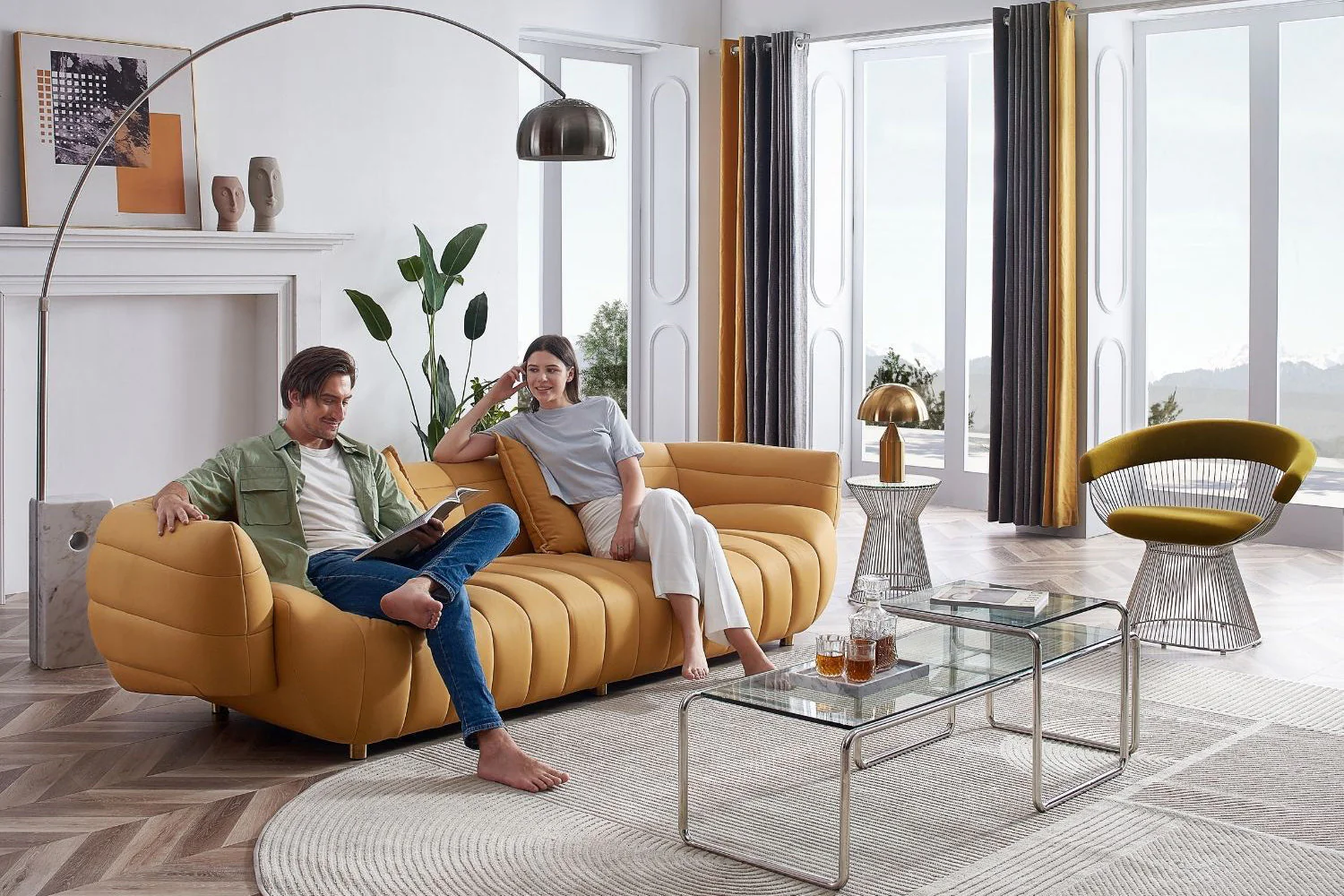
Your living room should be more than visually appealing — it should feel calm, inviting, and restorative. After a long day, this is the space where you unwind, connect with family, or enjoy quiet moments alone. Selecting furniture for a relaxing living area requires thoughtful choices that prioritize comfort, balance, and long-term durability.
Relaxation doesn’t happen by accident. It’s created through supportive seating, soft textures, proper layout, and materials that promote ease rather than tension. With the right furniture and arrangement, your living space can become a true retreat within your home.
Let’s explore how to choose pieces that foster relaxation without sacrificing style.
Start With Supportive and Comfortable Seating
The foundation of any relaxing living room is comfortable seating.
When choosing sofas or sectionals, look for:
-
Medium-firm cushions that support without feeling stiff
-
Deep seating for lounging
-
Reinforced frames for stability
-
Breathable upholstery
Seating should cradle the body while maintaining proper posture. Sofas that are too soft may feel inviting at first but often lack long-term support. Balanced cushioning provides comfort that lasts.
You can explore high-quality options from a trusted Miami furniture retailer to ensure your seating delivers both comfort and durability.
Choose Calming Color Palettes
Color has a strong impact on mood.
Relaxing living areas often feature:
-
Soft neutrals
-
Warm beige tones
-
Muted gray
-
Light taupe
-
Gentle earth tones
These shades create a peaceful backdrop that reduces visual stress.
While bold colors can be added through accent pieces, keeping your main furniture neutral ensures timeless elegance and adaptability.
Well-designed living room furniture for relaxation often uses subtle tones that promote calm rather than overstimulation.
Incorporate Soft Textures
Texture adds warmth and comfort to your space.
Layer with:
-
Plush area rugs
-
Soft throw blankets
-
Linen or velvet cushions
-
Upholstered accent chairs
Hard surfaces alone can feel cold and uninviting. Textiles soften the room and improve acoustics, making the environment quieter and more soothing.
Prioritize Proper Layout and Spacing
Even the most beautiful furniture won’t feel relaxing if the layout is cramped.
Maintain:
-
30–36 inches for main walkways
-
Clear sightlines
-
Balanced spacing between seating
Avoid overcrowding. A clutter-free layout helps the mind feel at ease.
When arranging living room furniture for relaxation, ensure pieces are positioned to encourage comfort without restricting movement.
Add Functional Accent Pieces
Relaxation also depends on convenience.
Consider adding:
-
Side tables within arm’s reach
-
Storage ottomans
-
Lift-top coffee tables
-
Built-in shelving
These elements prevent clutter while enhancing usability.
Functional furniture reduces daily stress by keeping essentials organized and accessible.
Select Durable Yet Luxurious Materials
Affordable luxury means choosing materials that feel refined while standing up to everyday use.
Look for:
-
Performance fabrics
-
Solid wood frames
-
Reinforced stitching
-
Quality foam cushioning
Durable materials maintain structure and appearance over time, preventing sagging or premature wear.
Visiting a reputable Miami furniture retailer allows you to examine materials closely before making a decision.
Incorporate Gentle Lighting
Lighting strongly affects relaxation.
Layer lighting with:
-
Warm-toned bulbs
-
Floor lamps near seating
-
Table lamps beside sofas
-
Dimmable overhead fixtures
Soft lighting reduces harsh shadows and creates a soothing atmosphere.
Create a Balanced Focal Point
A relaxing living area benefits from a clear focal point.
This might include:
-
A fireplace
-
A statement artwork
-
A large window
-
A minimalist media console
Position seating to frame this focal point naturally.
Well-planned living room furniture for relaxation enhances the room’s centerpiece without overpowering it.
Keep Décor Minimal and Intentional
Excess décor creates visual clutter.
Instead:
-
Choose one or two statement pieces
-
Add subtle greenery
-
Use coordinated throw pillows
-
Avoid overcrowded shelves
Simplicity supports tranquility.
Consider Multi-Functional Comfort
Modern living rooms often serve multiple purposes.
If your space doubles as:
-
A reading nook
-
A family movie area
-
A casual entertaining space
Choose flexible seating like modular sofas or accent chairs that can be repositioned easily.
This adaptability enhances comfort while maintaining style.
Focus on Long-Term Comfort
Before purchasing, test seating thoroughly.
Sit for several minutes and assess:
-
Cushion resilience
-
Back support
-
Armrest height
-
Seat depth
Comfort should remain consistent over time, not just during a quick trial.
High-quality living room furniture for relaxation retains structure and comfort years after purchase.
FAQ: Selecting Furniture for a Relaxing Living Area
1. What is the most important piece for a relaxing living room?
A supportive and comfortable sofa is essential.
2. What colors promote relaxation?
Neutral and soft earth tones create a calming environment.
3. Should I use bold furniture colors?
It’s best to keep main pieces neutral and add color through accents.
4. How do I avoid overcrowding?
Leave proper walkways and limit unnecessary furniture.
5. Where can I find quality seating options?
A trusted Miami furniture retailer offers refined collections designed for comfort.
6. What defines living room furniture for relaxation?
Supportive seating, calming tones, durable materials, and thoughtful layout define living room furniture for relaxation.
Final Thoughts
Selecting furniture for a relaxing living area requires more than aesthetic preference. It demands thoughtful attention to comfort, material quality, layout, and long-term durability.
By choosing supportive seating, calming colors, and functional pieces, you can create a living space that truly promotes rest and well-being. When comfort and elegance work together, your living room becomes a peaceful retreat designed for everyday relaxation.