
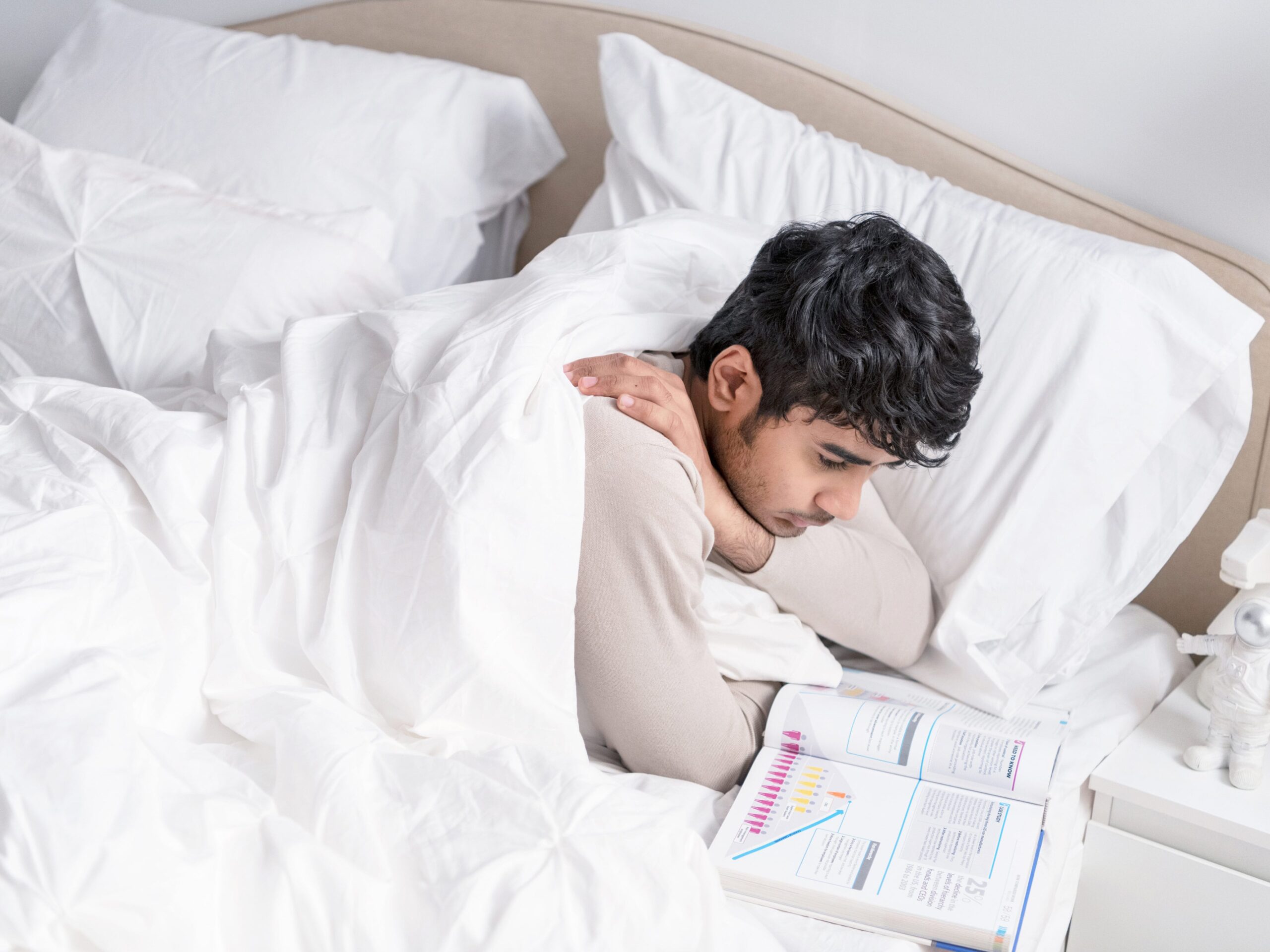
Sleep position plays a major role in how well you rest at night. The mattress that feels perfect for one person may cause discomfort for another simply because of how they sleep. Understanding how to choose the right mattress based on your sleep position can dramatically improve comfort, alignment, and long-term health.
Each position — side, back, stomach, or combination — places pressure on different areas of the body. The goal is to maintain proper spinal alignment while reducing pressure points. That balance determines whether you wake up refreshed or sore.
Let’s break down how to select the ideal mattress depending on how you sleep.
Why Sleep Position Matters
Your spine has a natural curve. During sleep, that curve should remain neutral. If your mattress is too soft or too firm for your sleep position, your spine may bend unnaturally.
Poor alignment can lead to:
-
Lower back pain
-
Neck stiffness
-
Shoulder tension
-
Restless sleep
Choosing the right support system prevents these issues and improves overall sleep quality.
You can explore supportive options at the Miami Furniture showroom to compare mattress types in person.
Best Mattress for Side Sleepers
Side sleeping is one of the most common positions. However, it creates pressure at the shoulders and hips.
Side sleepers need:
-
Medium to medium-soft firmness
-
Strong pressure relief
-
Cushioning for shoulders and hips
-
Adequate support beneath comfort layers
A mattress that is too firm will create pressure buildup. One that is too soft may allow the body to sink too deeply, misaligning the spine.
High-quality foam or hybrid mattresses often work well for side sleepers because they contour while maintaining underlying support.
When evaluating the best mattresses for different sleep positions, side sleepers should prioritize pressure relief first.
Best Mattress for Back Sleepers
Back sleepers benefit from even weight distribution.
They typically need:
-
Medium-firm support
-
Reinforced lumbar support
-
Balanced cushioning
The mattress should prevent the hips from sinking too deeply while still supporting the natural curve of the lower back.
Too soft:
-
Causes hip sagging
-
Leads to lower back strain
Too firm:
-
Reduces comfort
-
Creates tension
A well-balanced hybrid or supportive foam mattress often works best.
Best Mattress for Stomach Sleepers
Stomach sleeping can place strain on the lower back if the mattress is too soft.
Stomach sleepers should look for:
-
Firm support
-
Minimal sinkage
-
Strong core structure
If the hips sink lower than the shoulders, spinal alignment is compromised. A firmer mattress helps keep the body level.
Testing firmness in person at the Miami Furniture showroom can help stomach sleepers determine the right level of resistance.
Best Mattress for Combination Sleepers
Combination sleepers shift positions throughout the night.
They require:
-
Responsive materials
-
Moderate firmness
-
Good motion isolation
-
Balanced support and contouring
A mattress that adapts quickly prevents resistance when turning and maintains comfort in multiple positions.
Many hybrid designs fall into the category of best mattresses for different sleep positions because they combine support and flexibility.
Importance of Pressure Relief
Regardless of sleep position, pressure relief remains critical.
Mattresses that distribute body weight evenly:
-
Reduce tossing and turning
-
Improve circulation
-
Enhance deep sleep cycles
Memory foam and latex layers are often used to enhance pressure relief without sacrificing support.
Edge Support and Stability
Edge support is especially important for couples or those who use the full surface of the bed.
Strong edges:
-
Prevent sagging
-
Increase usable sleep space
-
Improve durability
Reinforced perimeter construction enhances mattress longevity and stability.
Material Types and Sleep Position Compatibility
Different mattress types offer different benefits:
Memory Foam
-
Excellent contouring
-
Strong pressure relief
-
Ideal for side sleepers
Innerspring
-
Firm support
-
Increased airflow
-
Suitable for stomach sleepers
Hybrid
-
Combination of foam and coils
-
Balanced support
-
Versatile for multiple positions
When evaluating the best mattresses for different sleep positions, hybrid options often provide the most flexibility.
Durability and Long-Term Support
Mattress support must remain consistent over time.
Look for:
-
High-density foam
-
Reinforced coils
-
Durable stitching
-
Quality materials
A mattress that loses support too quickly will negatively impact sleep quality.
You can compare durable construction options at the Miami Furniture showroom to ensure long-term comfort.
Signs Your Mattress Doesn’t Match Your Sleep Position
You may need a new mattress if you experience:
-
Morning stiffness
-
Frequent repositioning
-
Visible sagging
-
Pressure point discomfort
-
Interrupted sleep
Choosing a mattress aligned with your sleep habits can significantly improve rest and recovery.
FAQ: Choosing a Mattress for Different Sleep Positions
1. What is the best firmness for side sleepers?
Medium to medium-soft mattresses typically provide the best pressure relief.
2. Are firm mattresses better for stomach sleepers?
Yes, firmer support helps maintain spinal alignment.
3. What is ideal for back sleepers?
Medium-firm mattresses with strong lumbar support work well.
4. Are hybrid mattresses good for all positions?
Yes, many hybrids are considered among the best mattresses for different sleep positions because they balance support and comfort.
5. Can I test mattresses before buying?
Yes, visiting the Miami Furniture showroom allows you to compare options directly.
6. Does sleep position affect long-term health?
Absolutely. Proper support reduces strain and improves overall well-being.
Final Thoughts
Choosing a mattress based on your sleep position is one of the smartest investments you can make for your health. Proper support ensures spinal alignment, reduces pressure points, and enhances deep sleep.
Whether you’re a side, back, stomach, or combination sleeper, selecting the right structure and firmness level makes all the difference. When comfort and support align with your natural sleep habits, better rest becomes effortless.