
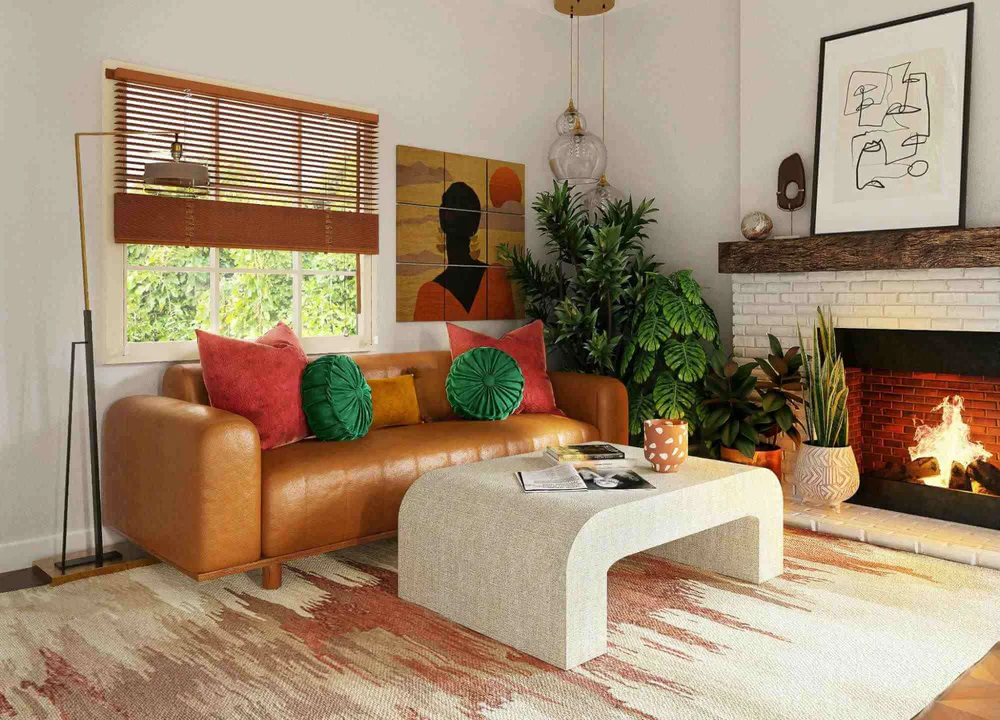
Everyday comfort is shaped by the spaces we live in. Furniture, layout, and material choices all influence how a home feels throughout the day. Creating a home that supports comfort doesn’t require excess—it requires thoughtful decisions that align with lifestyle and daily routines.
Many homeowners begin refining comfort by visiting a Miami Furniture store to see how furniture is designed to balance usability, durability, and style in real living environments.
Comfort Starts With Functionality
A comfortable home functions smoothly. Furniture should support daily activities without obstacles or inconvenience.
Ease improves comfort.
Choosing Furniture That Supports the Body
Supportive seating and bedding reduce fatigue and discomfort. Ergonomic design matters more than appearance alone.
Support enhances well-being.
Layout and Movement Matter
Clear pathways and intuitive layouts improve flow. Movement through the home should feel natural.
Flow reduces stress.
Material Choices Affect Daily Feel
Soft textures, breathable fabrics, and durable surfaces enhance comfort. Materials influence how spaces feel physically.
Touch matters.
Lighting and Comfort
Lighting affects mood and usability. Layered lighting supports different activities throughout the day.
Light shapes experience.
Temperature and Furniture Interaction
Furniture should complement climate control. Breathable materials support comfort in warm environments.
Climate awareness matters.
Reducing Visual and Physical Clutter
Clutter disrupts comfort. Storage solutions help maintain calm, functional spaces.
Order supports relaxation.
Consistency Across Spaces
Comfort improves when rooms feel connected. Coordinated furniture and finishes create harmony.
Harmony feels calming.
Supporting Daily Routines
Furniture should support how people live, work, and relax daily. Routines guide design.
Lifestyle leads decisions.
Comfort for All Household Members
Homes should accommodate different needs. Flexible furniture supports diverse routines.
Inclusivity improves comfort.
Long-Term Comfort Over Trends
Trends fade, but comfort endures. Timeless design paired with quality construction lasts longer.
Longevity matters.
Emotional Comfort and Familiarity
Comfort includes emotional ease. Familiar, supportive spaces promote relaxation.
Home should feel safe.
Furniture That Grows With You
Adaptable furniture supports changing needs without disruption.
Flexibility adds value.
Maintenance and Ease of Care
Furniture that is easy to maintain supports long-term comfort. Reduced upkeep lowers stress.
Ease improves satisfaction.
Creating Balance Between Style and Use
Comfort and style are not opposites. Thoughtful choices support both.
Balance defines success.
Exploring Comfort-Focused Options
In another evaluation context, many homeowners review comfort-focused furniture to see how design supports everyday living.
Insight guides selection.
Conclusion
Creating a home that supports everyday comfort is about intentional choices, not excess. By prioritizing functionality, supportive furniture, thoughtful layout, and durable materials, homeowners can build spaces that feel welcoming and effortless. Exploring options at a Miami Furniture store and reviewing comfort-focused furniture helps ensure the home supports comfort, balance, and daily well-being.