
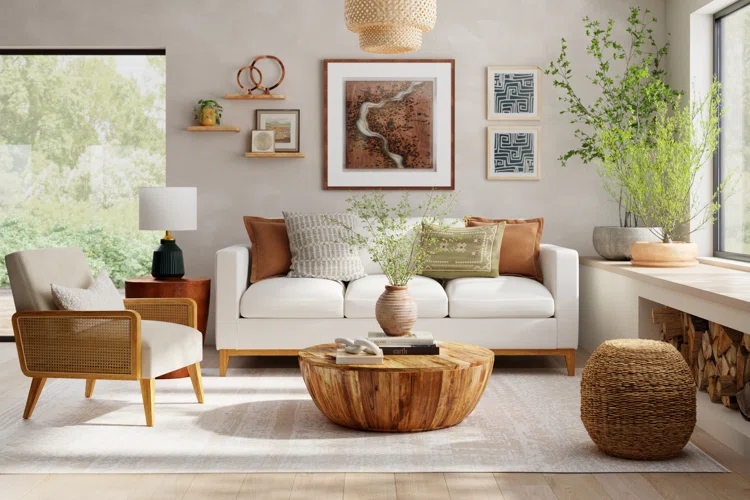
A living room should feel inviting the moment you walk into it. It’s a space meant for relaxing, entertaining, and everyday living, which means it must strike a careful balance between style and comfort. In Miami homes, this balance is especially important, as living rooms often reflect an open, social lifestyle while also needing to perform well in warm, humid conditions. Thoughtful furniture choices, layout planning, and material selection all play a role in achieving a space that looks good and feels even better.
Many homeowners begin planning by exploring Miami Furniture collections to see how coordinated living room pieces are designed to combine visual appeal with everyday comfort. Viewing furniture within collections often makes it easier to understand how different elements work together as a whole rather than in isolation.
Understanding the Role of the Living Room
The living room serves multiple purposes throughout the day. It may function as a place to unwind in the evening, host guests on weekends, or accommodate casual family activities. Because of this versatility, furniture and design choices must support different uses without compromising comfort.
A well-balanced living room feels flexible rather than rigid. It adapts to daily routines while maintaining a cohesive look that feels intentional and welcoming.
Start With a Comfortable Foundation
Comfort begins with seating. Sofas, sectionals, and chairs should provide proper support for extended use. Cushion depth, seat height, and back support all influence how comfortable seating feels over time.
Choosing seating that looks stylish but lacks support can lead to discomfort quickly. The most successful living rooms prioritize how furniture feels just as much as how it looks.
Choosing the Right Sofa Style
The sofa often acts as the centerpiece of the living room. Its size, shape, and design influence the entire layout. Low-profile sofas contribute to a relaxed, modern feel, while more structured designs add formality and presence.
Selecting a sofa that suits both the room size and the household’s lifestyle helps maintain balance. A sofa that fits the space proportionally allows other elements to work around it comfortably.
Layering Seating for Flexibility
In addition to the main sofa, accent chairs and ottomans add flexibility without overcrowding the room. These pieces can be moved easily to accommodate different activities, from entertaining guests to casual lounging.
Layered seating creates a dynamic layout that feels comfortable and adaptable rather than static.
Balancing Visual Weight
Visual balance is essential in creating a living room that feels calm and cohesive. Furniture with heavy silhouettes can make a room feel closed in, while pieces with lighter profiles help maintain openness.
Using a mix of solid forms and open-leg designs creates contrast and prevents the room from feeling too dense.
Thoughtful Furniture Layout
Layout has a direct impact on both comfort and style. Furniture should be arranged to support conversation and movement without blocking walkways. Clear pathways help the room feel easy to navigate and less cluttered.
Avoid pushing all furniture against walls. Bringing seating inward creates a more intimate and comfortable arrangement.
Materials That Support Comfort and Durability
Material choice influences how furniture performs over time. In Miami homes, breathable fabrics, durable finishes, and moisture-resistant materials contribute to long-term comfort.
Upholstery should feel comfortable against the skin while also being practical for daily use. Performance fabrics and treated materials often strike the best balance.
Using Color to Create Harmony
Color plays a subtle but powerful role in balancing style and comfort. Neutral palettes create a calm foundation, while accent colors add personality without overwhelming the space.
Soft tones tend to feel more relaxing, making them ideal for living rooms meant for everyday use.
Incorporating Texture for Warmth
Texture adds depth and warmth to living rooms. Mixing materials such as fabric upholstery, wood finishes, and metal accents creates visual interest while maintaining comfort.
Textural variety helps the space feel layered and inviting rather than flat or overly polished.
Functional Tables and Surfaces
Coffee tables, side tables, and console tables support daily living by keeping essentials within reach. These pieces should be proportionate to seating and placed where they are easy to access.
Choosing tables with rounded edges or slim profiles improves flow and reduces visual heaviness.
Storage That Supports Organization
Clutter disrupts both comfort and style. Storage furniture such as media consoles or shelving helps keep the living room organized without sacrificing aesthetics.
Storage solutions should blend seamlessly into the room’s design, supporting function without drawing unnecessary attention.
Lighting for Comfort and Atmosphere
Lighting influences how comfortable a living room feels at different times of day. Layered lighting—combining overhead fixtures, floor lamps, and table lamps—creates flexibility and warmth.
Soft lighting enhances relaxation, while focused lighting supports reading and other activities.
Connecting Style Across the Space
A living room feels more balanced when its design connects naturally with adjacent areas. Coordinating finishes, materials, and colors across spaces creates visual flow, especially in open floor plans.
Consistency doesn’t mean uniformity. Subtle repetition of design elements is often enough to maintain harmony.
Adapting to Everyday Living
A truly comfortable living room adapts easily to everyday life. Furniture should withstand regular use while maintaining its appearance. Pieces that are easy to move or adjust support changing needs over time.
This adaptability is key to long-term satisfaction.
Avoiding Common Design Pitfalls
Over-decorating, choosing furniture that is too large, or prioritizing style over comfort can disrupt balance. Taking a measured approach helps avoid these issues.
Editing the space—removing unnecessary pieces—often improves both comfort and appearance.
Finding Inspiration Without Overcrowding
Inspiration is valuable, but not every idea needs to be applied at once. Selecting a few key design principles and building around them helps maintain clarity.
In another planning context, homeowners often explore living room furniture ideas to see how comfort and style are balanced in real-world spaces. These examples help guide decisions without overwhelming the design process.
Creating a Space That Feels Lived In
A balanced living room doesn’t feel staged or overly formal. It reflects how people actually live, relax, and interact. Comfortable seating, accessible surfaces, and thoughtful layout all contribute to a space that feels natural.
Personal touches such as artwork, textiles, or meaningful décor add character without sacrificing comfort.
Long-Term Value Through Balanced Design
Furniture choices that balance style and comfort tend to age better over time. Rather than chasing trends, focusing on quality, proportion, and usability leads to a living room that remains appealing year after year.
Miami Furniture offers living room pieces designed to support this balance, combining comfort, durability, and modern design suited to Miami living.
Conclusion
Creating a living room that balances style and comfort requires thoughtful planning, from furniture selection to layout and material choices. By prioritizing comfort without neglecting visual harmony, homeowners can design living rooms that feel inviting, functional, and well-suited to everyday life. Exploring Miami Furniture collections and drawing inspiration from practical living room furniture ideas helps ensure the space remains comfortable, stylish, and adaptable for years to come.