
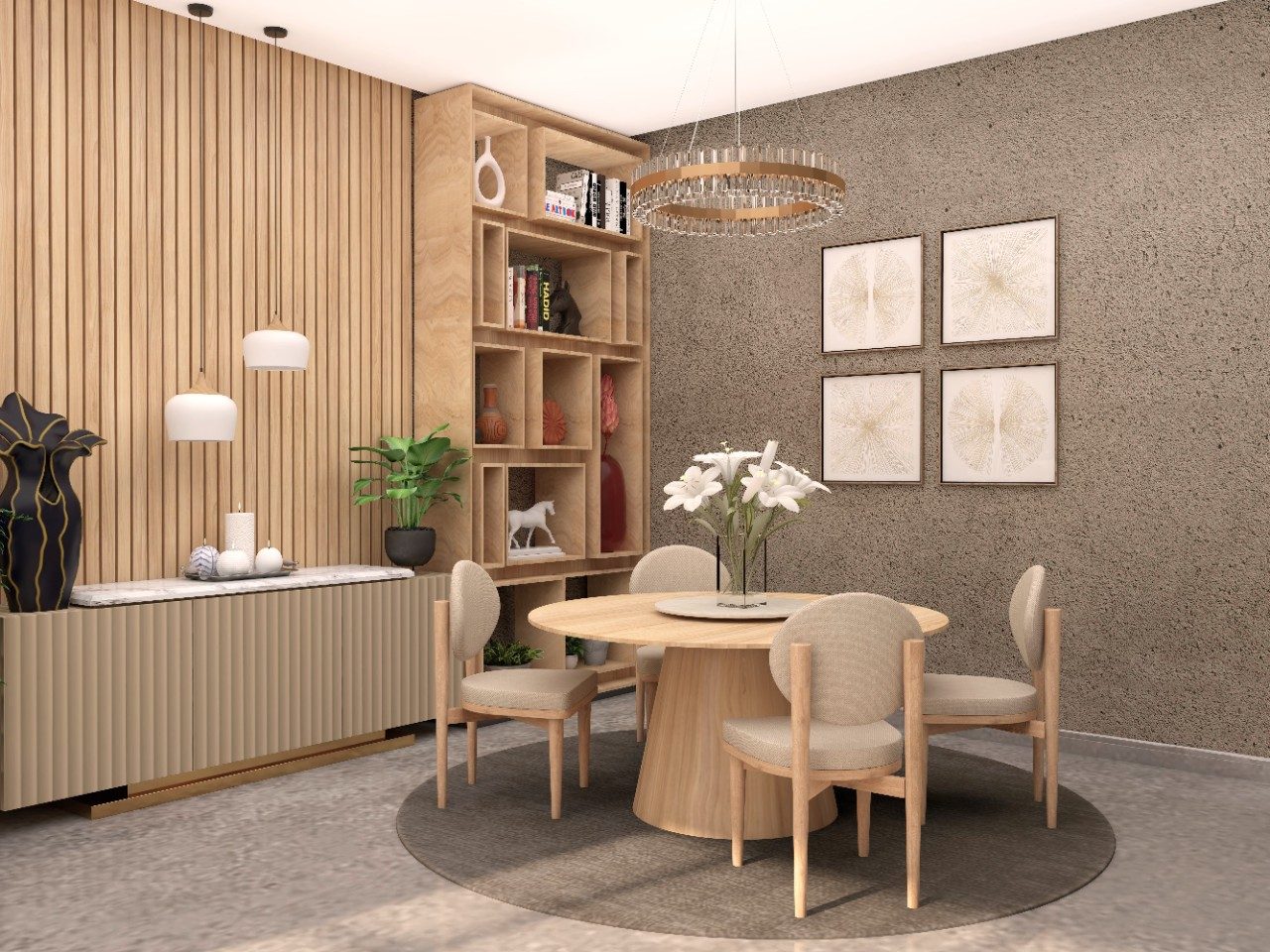
Choosing the correct dining table size is one of the most important decisions when furnishing your dining space. A table that is too large can overwhelm the room and restrict movement. One that is too small can feel cramped and impractical. Finding the right dining table size ensures comfort, proper traffic flow, and a balanced aesthetic.
The goal is simple: create a space that feels open, functional, and welcoming while meeting your everyday needs. Let’s explore how to determine the ideal dining table size for your home.
Start With Room Measurements
Before shopping for a dining table, measure your space carefully.
You should:
-
Measure the length and width of the room
-
Note doorways and entry paths
-
Identify windows and other fixed elements
-
Consider nearby furniture
As a general rule, allow at least 36 inches of clearance between the table edge and walls or other furniture. This ensures chairs can slide out comfortably and guests can move around without obstruction.
If you’re unsure about proportions, visiting the Miami Furniture showroom allows you to visualize scale and compare table sizes in person.
Consider the Number of Daily Users
Your household size directly impacts table dimensions.
For comfortable seating:
-
Allow 24 inches of width per person
-
Ensure 12 inches of depth for each place setting
-
Provide enough elbow room for daily comfort
For example:
-
A table seating four typically measures around 48 inches long
-
A six-person table often measures 60–72 inches
-
Larger families may require 84 inches or more
Planning for daily use first ensures practicality before considering occasional entertaining.
Understand Table Shapes and Their Impact
The shape of your table influences both space usage and seating capacity.
Rectangular Tables
-
Ideal for long, narrow rooms
-
Offer maximum seating capacity
-
Provide structured symmetry
Round Tables
-
Great for smaller spaces
-
Improve conversational flow
-
Eliminate sharp corners
Oval Tables
-
Combine rectangular length with softer edges
-
Enhance traffic flow
Square Tables
-
Work well in square rooms
-
Offer balanced proportions
Choosing the correct shape is a key part of any effective dining table size guide.
Account for Chair Dimensions
Chairs require additional space beyond the table’s footprint.
When planning:
-
Measure chair width
-
Allow space for armrests
-
Ensure enough room to pull chairs out
A table may technically fit within room measurements, but without chair clearance, comfort suffers.
Testing chair-table combinations at the Miami Furniture showroom helps you evaluate comfort and spacing together.
Plan for Entertaining Needs
If you host guests occasionally, consider flexible options.
Extendable dining tables:
-
Save space daily
-
Expand when needed
-
Provide adaptable seating
Leaves or expansion panels allow you to adjust capacity without permanently occupying additional room space.
Many models highlighted in a practical dining table size guide include extension capabilities for this reason.
Maintain Balanced Proportions
Even if a table fits dimensionally, it should feel visually balanced.
Avoid:
-
Oversized tables in compact rooms
-
Narrow tables in wide spaces
-
Tables that dominate natural light
The table should complement the room rather than overwhelm it.
Proportion enhances both comfort and style.
Consider Ceiling Height
Ceiling height subtly influences table selection.
Standard dining tables are typically 28–30 inches high. However, in rooms with lower ceilings, bulky bases or heavy tops can feel overwhelming.
Lighter profiles and streamlined bases often create better balance in modest spaces.
Factor in Room Function
Modern dining rooms often serve multiple purposes.
If your dining table also functions as:
-
A workspace
-
A homework station
-
A craft area
You may require additional surface area for flexibility.
A comprehensive dining table size guide always considers function alongside seating capacity.
Evaluate Base and Leg Placement
Table bases impact both comfort and capacity.
Pedestal bases:
-
Allow flexible seating
-
Reduce leg interference
Four-leg tables:
-
Offer classic structure
-
May limit seating at corners
Understanding base design helps maximize usable space.
Leave Space for Additional Furniture
If your dining room includes:
-
A buffet
-
A sideboard
-
Display cabinets
Ensure adequate clearance remains between the table and these pieces.
Crowding the room with furniture reduces comfort and visual harmony.
Test Before Finalizing
Even with measurements, visualizing scale in person makes a difference.
Visiting the Miami Furniture showroom allows you to:
-
Compare table dimensions
-
Test chair spacing
-
Walk around different setups
-
Assess comfort realistically
Seeing proportions firsthand helps prevent costly sizing mistakes.
Long-Term Considerations
Choose a table size that adapts to your evolving needs.
Think about:
-
Growing families
-
Hosting frequency
-
Future room redesigns
-
Longevity of furniture
Timeless sizing ensures flexibility and lasting value.
Well-planned decisions based on a structured dining table size guide help you invest confidently.
Final Thoughts
Finding the right dining table size requires thoughtful measurement, proper spacing, and realistic planning. By considering room dimensions, seating capacity, chair clearance, and daily function, you create a dining space that feels balanced and comfortable.
The perfect dining table is not just about fitting within a room — it’s about enhancing how the space works for your lifestyle. With careful planning and attention to proportion, your dining area can feel both practical and refined for years to come.