
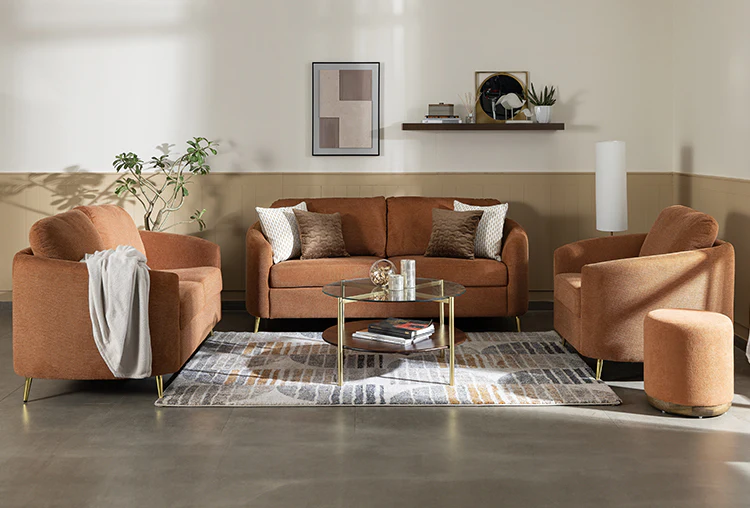
Buying furniture for the living room is one of the most significant decisions homeowners make when furnishing a home. The living room is a central space used for relaxation, entertaining, and everyday activities, which means furniture choices must support both comfort and function. Yet many homeowners make avoidable mistakes that lead to frustration, wasted money, or a space that simply doesn’t work as intended. Understanding these common pitfalls can help create a living room that feels balanced, comfortable, and long-lasting.
Many shoppers begin their search by visiting a Miami Furniture store to explore styles and layouts that reflect modern Miami living. However, without a clear plan, it’s easy to make decisions based on appearance alone rather than real-world use.
Mistake 1: Buying Furniture Without Measuring the Space
One of the most common mistakes is purchasing furniture without accurate measurements. A sofa that looks perfect in a showroom may overwhelm a living room once it’s placed at home. Doorways, walkways, and ceiling height are often overlooked, leading to delivery challenges or poor layout flow.
To avoid this, homeowners should measure the living room carefully, including entry points and pathways. Visualizing furniture placement before buying helps ensure each piece fits comfortably without crowding the space.
Mistake 2: Ignoring How the Living Room Is Used Daily
Living rooms serve different purposes depending on household lifestyle. Some are primarily used for entertaining, while others function as quiet spaces for relaxation or family time. Buying furniture without considering daily use often leads to discomfort or underutilized pieces.
Understanding how the living room functions day to day helps guide smarter furniture choices that align with real-life routines rather than idealized layouts.
Mistake 3: Prioritizing Style Over Comfort
While style is important, comfort should never be sacrificed. Sofas and chairs that look sleek but lack proper support quickly become unpleasant to use. This mistake is especially noticeable in seating meant for extended use.
Testing furniture for comfort—seat depth, cushion firmness, and back support—helps avoid this issue. A visually appealing living room should also feel comfortable throughout the day.
Mistake 4: Choosing the Wrong Furniture Scale
Furniture scale plays a major role in how a living room feels. Oversized furniture can make the space feel cramped, while undersized pieces may look disconnected or inadequate. Balance is key.
Selecting furniture that suits the room’s proportions creates harmony and improves movement. Low-profile designs often work well in Miami homes, helping spaces feel open and breathable.
Mistake 5: Overfurnishing the Room
Trying to fill every corner of the living room is a common error. Too much furniture restricts movement and makes the space feel cluttered. Overfurnishing also reduces flexibility, making it harder to adapt the room over time.
Leaving open space allows the room to breathe and improves both comfort and appearance. Every piece should serve a clear purpose.
Mistake 6: Forgetting About Traffic Flow
Traffic flow is essential in a functional living room. Furniture placement should allow easy movement between rooms and seating areas. Blocking natural pathways creates frustration and disrupts daily routines.
Maintaining clear walkways—especially in open floor plans—helps ensure the living room feels easy to navigate.
Mistake 7: Overlooking Material Durability
Living room furniture experiences frequent use, making durability crucial. Choosing materials based solely on appearance can lead to premature wear, especially in Miami’s warm and humid climate.
Durable frames, quality upholstery, and moisture-resistant finishes perform better over time and reduce replacement costs.
Mistake 8: Not Planning for Storage Needs
A lack of storage often leads to clutter. Without proper storage furniture, items like remotes, books, and accessories pile up on surfaces, affecting both comfort and aesthetics.
In another planning context, homeowners often explore living room furniture options that integrate storage seamlessly into the design. Media consoles, shelving units, and multifunctional tables help maintain organization without overwhelming the room.
Mistake 9: Ignoring Lighting When Choosing Furniture
Lighting and furniture work together to shape the living room experience. Failing to consider lighting can result in awkward layouts or poorly lit seating areas.
Layered lighting—combining ambient, task, and accent lighting—supports comfort and highlights furniture without creating harsh glare.
Mistake 10: Following Trends Too Closely
Trendy furniture can look appealing but may feel outdated quickly. Buying trend-driven pieces without considering longevity often leads to frequent replacements.
Choosing timeless designs with neutral finishes allows homeowners to refresh the room through accessories rather than major furniture changes.
Mistake 11: Not Considering Climate Factors
Miami’s climate influences how furniture performs. Materials that trap heat or absorb moisture may feel uncomfortable or deteriorate faster.
Selecting breathable fabrics and finishes designed for warm climates improves comfort and durability.
Mistake 12: Forgetting to Coordinate Pieces
Mismatched furniture can make the living room feel disjointed. While not everything needs to match perfectly, some level of coordination helps create visual flow.
Consistent materials, finishes, or design themes bring cohesion without limiting creativity.
Mistake 13: Buying Without a Long-Term Perspective
Furniture is often a long-term investment. Buying without considering future needs—such as family growth or potential moves—can result in pieces that don’t adapt well.
Flexible designs and neutral styles tend to remain useful across different living situations.
Mistake 14: Overlooking Maintenance Requirements
Every furniture material requires some level of care. Ignoring maintenance needs can lead to frustration later on.
Understanding cleaning routines and care expectations helps align furniture choices with lifestyle habits.
Mistake 15: Skipping the Planning Phase
Perhaps the biggest mistake is skipping planning altogether. Impulse purchases often lead to mismatched furniture and poor layouts.
Taking time to plan measurements, layout, and priorities results in a more functional and comfortable living room.
Creating a Living Room That Truly Works
Avoiding these common mistakes helps homeowners create living rooms that support comfort, functionality, and style. Thoughtful planning, realistic expectations, and attention to detail make a significant difference.
Miami Furniture offers living room options designed to support everyday living while balancing comfort, durability, and modern design suitable for Miami homes.
Conclusion
Living room furniture buying mistakes are common, but they are also avoidable. By measuring carefully, prioritizing comfort, planning layouts, and selecting durable materials, homeowners can create spaces that feel welcoming and functional. Exploring a Miami Furniture store and choosing well-designed living room furniture helps ensure the living room remains comfortable, organized, and enjoyable for years to come.