
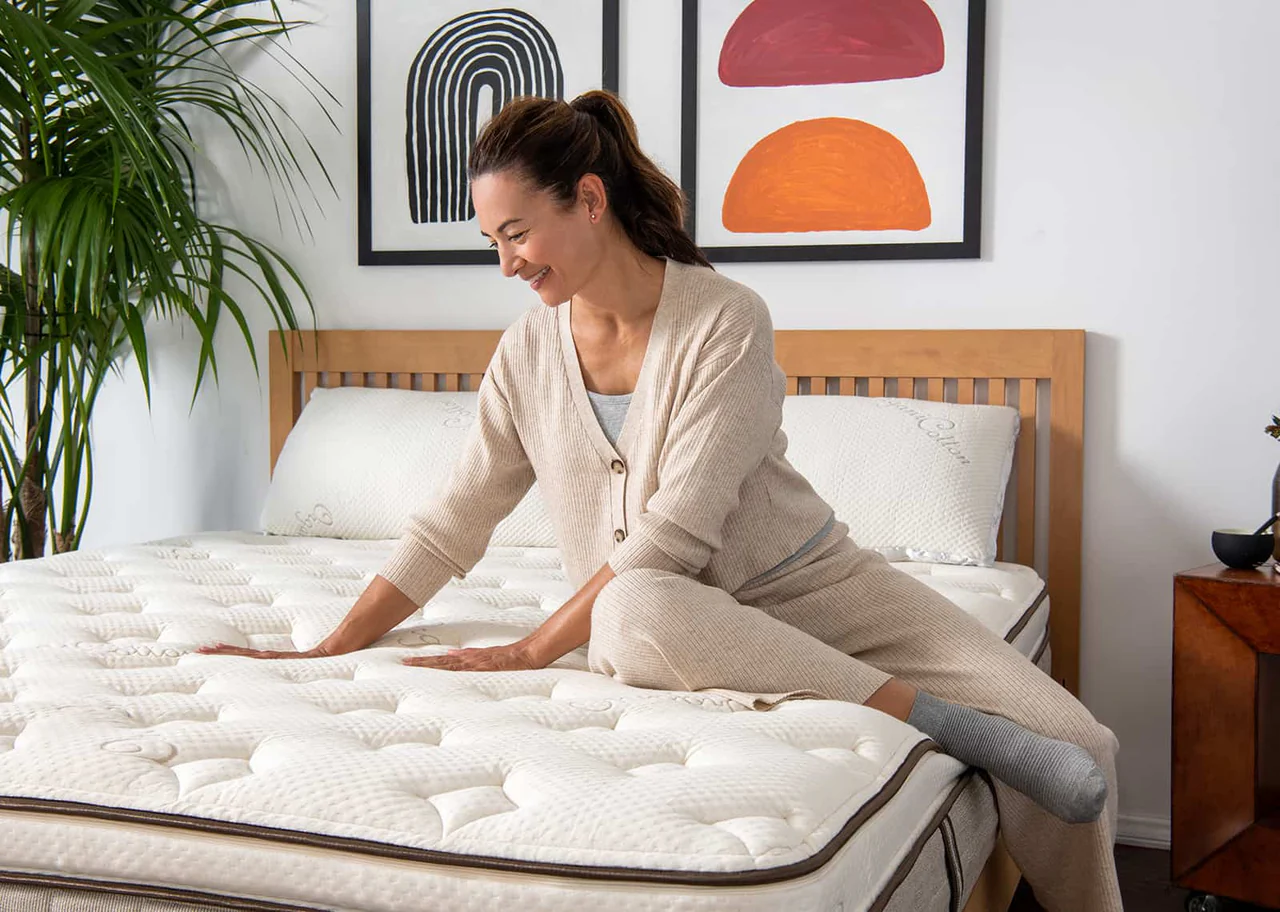
Choosing the right mattress firmness is one of the most important steps in improving sleep quality. Firmness affects how the body is supported, how pressure is distributed, and how comfortable sleep feels over time. While firmness preferences vary from person to person, understanding how firmness works—and how to evaluate it properly—helps avoid common mistakes that lead to discomfort or restless nights.
Many shoppers begin comparing options by browsing Miami Furniture online to understand how different mattress firmness levels are designed to support various sleep needs. Seeing firmness options across multiple mattress types helps clarify how comfort and support work together rather than relying on labels alone.
What Mattress Firmness Really Means
Mattress firmness refers to how hard or soft a mattress feels when you lie on it. It is typically rated on a scale from very soft to very firm. However, firmness is not a universal standard. A “medium” mattress from one brand may feel firmer or softer than a “medium” from another due to differences in materials and construction.
Firmness is influenced by comfort layers, support cores, and how weight is distributed across the surface.
Support vs Firmness: Understanding the Difference
A common misconception is that firmness equals support. In reality, support refers to how well the mattress keeps the spine aligned, while firmness relates to surface feel. A mattress can feel soft and still provide excellent support if it maintains proper alignment.
Likewise, an overly firm mattress may feel uncomfortable if it creates pressure points or prevents natural body contours from settling properly.
Why Firmness Balance Matters
Finding the right balance between softness and firmness helps promote deeper, uninterrupted sleep. Too soft, and the body may sink excessively, causing misalignment. Too firm, and pressure points may develop around the shoulders, hips, or lower back.
The right firmness supports the body evenly while allowing enough cushioning for comfort.
Sleep Position and Firmness Needs
Sleep position plays a major role in firmness selection. Side sleepers generally benefit from softer to medium firmness levels that relieve pressure on shoulders and hips. Back sleepers often prefer medium to medium-firm mattresses that support spinal alignment without excessive sinking.
Stomach sleepers typically need firmer mattresses to prevent the midsection from sinking too deeply, which can strain the lower back.
Body Weight and Firmness Perception
Body weight affects how firmness is experienced. Lighter individuals may find medium-firm mattresses too hard, while heavier individuals may find softer mattresses unsupportive. This is because body weight influences how deeply the mattress compresses.
Choosing firmness based on body weight helps ensure proper support and comfort over time.
Mattress Materials and How They Affect Firmness
Different mattress materials respond differently to pressure. Memory foam tends to feel softer and more contouring, even at firmer ratings. Innerspring and hybrid mattresses often feel firmer due to coil support, even when comfort layers are plush.
Understanding material behavior helps interpret firmness ratings more accurately.
Firmness and Temperature Regulation
Firmness can also influence temperature regulation. Softer mattresses with thick foam layers may retain more heat, while firmer mattresses with breathable structures often allow better airflow.
In warm climates, firmness combined with cooling features can significantly impact sleep comfort.
How Firmness Changes Over Time
Mattress firmness is not static. Over time, materials soften and adapt to regular use. A mattress that feels firm at first may feel more comfortable after a break-in period, while lower-quality materials may soften unevenly and lose support.
Considering how firmness evolves helps set realistic expectations.
Testing Mattress Firmness Properly
Testing firmness involves more than sitting on the edge of a mattress. Lying down in your usual sleep position for several minutes provides a clearer sense of how the mattress supports your body.
Pay attention to pressure points, alignment, and how easily you can change positions.
Firmness for Couples With Different Preferences
Couples often have different firmness needs. Hybrid mattresses or models with zoned support can accommodate varying preferences more effectively. Some mattresses offer split firmness designs that allow each side to feel different.
Finding a compromise firmness that supports both sleepers improves shared sleep quality.
Health Considerations and Firmness Choice
Health conditions such as back pain, joint discomfort, or circulation issues can influence firmness needs. While firmer mattresses are often recommended for back support, the best choice depends on alignment rather than hardness alone.
Consulting comfort needs alongside medical considerations helps guide selection.
Avoiding Common Firmness Myths
One common myth is that firmer mattresses are always better for the back. In reality, comfort and alignment matter more than firmness alone. Another misconception is that soft mattresses lack support, which is not always true.
Understanding these myths prevents misguided decisions.
Adjusting Firmness With Toppers and Accessories
Mattress toppers can fine-tune firmness after purchase. A topper can soften a mattress that feels too firm or slightly firm up a mattress that lacks support.
While not a substitute for proper firmness selection, toppers offer flexibility.
Mattress Firmness and Longevity
Choosing the right firmness contributes to mattress longevity. A mattress that supports the body evenly wears more consistently, reducing sagging and extending usable life.
Proper firmness selection protects both comfort and durability.
Matching Firmness to Lifestyle
Lifestyle factors such as activity level, work demands, and sleep habits influence firmness needs. Active individuals may prefer firmer support for recovery, while those who prioritize plush comfort may lean softer.
Aligning firmness with lifestyle supports better rest.
Evaluating Firmness Across Mattress Types
Firmness feels different across mattress types. A medium memory foam mattress may feel softer than a medium hybrid mattress. Comparing firmness across constructions helps avoid surprises.
This comparison leads to more informed decisions.
Using Research and Comparisons Wisely
Rather than relying on firmness labels alone, comparing materials, construction, and user experiences provides better insight. This approach helps identify mattresses that truly match comfort needs.
In another evaluation context, shoppers often review mattress firmness options to see how different designs balance softness and support across multiple firmness levels.
Finding the Right Balance for Long-Term Comfort
The right mattress firmness promotes consistent sleep quality, reduces discomfort, and supports overall well-being. Balance—not extremes—is key.
Choosing firmness thoughtfully helps ensure comfort night after night.
Supporting Better Sleep Decisions
Understanding mattress firmness empowers better sleep decisions. When comfort and support are balanced, sleep becomes more restorative and consistent.
Miami Furniture offers mattress options designed to provide a range of firmness levels, helping homeowners find solutions that align with comfort preferences and sleep needs.
Conclusion
Finding the right mattress firmness is about balance, not choosing the softest or firmest option available. By considering sleep position, body weight, materials, and lifestyle factors, homeowners can identify firmness levels that support proper alignment and lasting comfort. Exploring mattress options through Miami Furniture online and comparing mattress firmness options thoughtfully helps ensure better sleep quality and long-term satisfaction.