
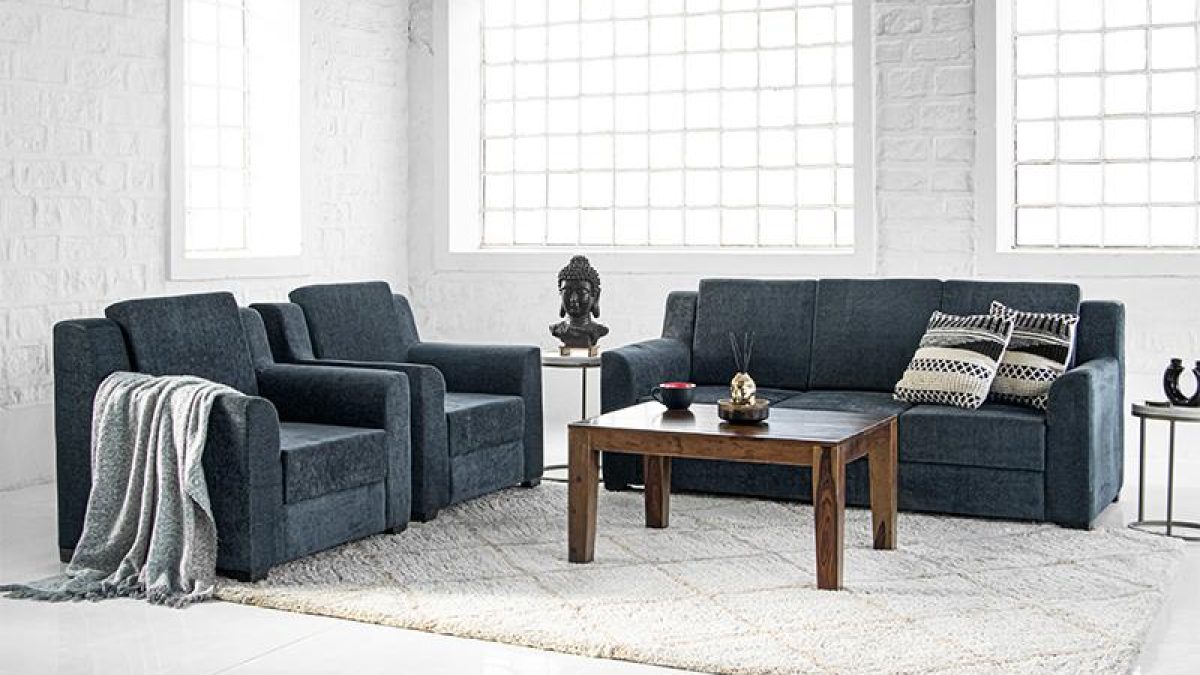
Choosing the right seating for a living room is one of the most important furniture decisions a homeowner can make. Seating affects comfort, layout, daily routines, and how the space is used over time. In Miami homes, where living rooms often serve as gathering spaces, relaxation zones, and entertainment areas, selecting between reclining sofas and sectional sofas requires careful thought. Each option offers distinct advantages, and the best choice depends on lifestyle, space, and personal preferences.
Many homeowners begin comparing options by browsing a shop Miami Furniture online to see how different sofa styles are designed for modern living. Seeing reclining sofas and sectionals presented within real room settings helps clarify how each option functions in everyday use.
Understanding the Core Difference Between Reclining Sofas and Sectionals
Reclining sofas and sectional sofas serve different purposes, even though both focus on comfort. Reclining sofas are designed primarily for individual relaxation, offering adjustable seating positions that support lounging and rest. Sectionals, on the other hand, emphasize shared seating, layout flexibility, and space definition.
Understanding this distinction is key to choosing furniture that aligns with how the living room is actually used.
How Reclining Sofas Support Relaxation-Focused Living
Reclining sofas are built with comfort as their main priority. Adjustable backrests and footrests allow users to change positions easily, making them ideal for watching television, reading, or unwinding after a long day. These sofas are especially appealing to homeowners who value physical relaxation above all else.
Reclining sofas often work best in living rooms where seating is centered around entertainment or personal comfort rather than conversation.
Lifestyle Fit: Who Benefits Most From Reclining Sofas
Reclining sofas suit lifestyles that prioritize individual comfort. Homes with fewer occupants, or households where relaxation and television viewing are daily routines, often benefit from this seating style. Recliners provide personal space and support without requiring additional seating pieces.
They are also practical for users who prefer firm support and adjustable seating angles throughout the day.
Sectional Sofas and Social Living
Sectional sofas are designed for connection. Their shape encourages conversation, shared seating, and group interaction. In Miami homes, where entertaining guests and spending time with family are common, sectionals often become the centerpiece of the living room.
Sectionals create a sense of togetherness while still offering space to stretch out, making them ideal for multifunctional living areas.
Layout Flexibility and Space Definition
One of the biggest advantages of sectional sofas is their ability to define space. In open floor plans, sectionals help establish the living area without using walls or dividers. Their configuration naturally guides traffic flow and anchors the room visually.
In contrast, reclining sofas typically function as standalone pieces and may require additional chairs or tables to complete the layout.
Space Considerations in Miami Homes
Space plays a major role in deciding between reclining sofas and sectionals. Reclining sofas require clearance behind or in front of the seat to fully extend, which can limit placement options in smaller rooms.
Sectionals, while larger in footprint, often make more efficient use of space by combining multiple seating areas into a single cohesive piece.
Comfort Differences Over Extended Use
Comfort can be experienced differently depending on the seating style. Reclining sofas offer targeted comfort, allowing each user to adjust their position independently. This makes them appealing for long periods of sitting or lounging.
Sectional sofas provide comfort through spacious seating, deep cushions, and flexible positioning. While they may not recline, they allow users to sit, stretch, or lounge in different ways.
Visual Impact and Design Style
The visual presence of seating affects the overall look of the living room. Reclining sofas tend to have a bulkier appearance due to their internal mechanisms. This can impact how open or modern a space feels.
Sectionals often offer cleaner lines and a more streamlined aesthetic. In another design context, homeowners frequently explore sectional sofas because they balance comfort with modern design, especially in contemporary Miami interiors.
Flexibility for Changing Needs
Lifestyle changes can influence seating needs over time. Sectional sofas, especially modular designs, adapt more easily to new layouts or room configurations. Pieces can be rearranged or resized as needs change.
Reclining sofas are less flexible structurally but remain consistent in comfort, making them reliable for long-term use in fixed layouts.
Seating Capacity and Household Size
Household size is another important factor. Sectionals typically accommodate more people comfortably without adding extra chairs. This makes them well-suited for families or frequent gatherings.
Reclining sofas usually seat fewer people and may need to be paired with additional seating for larger groups.
Maintenance and Durability
Both seating types require maintenance, but their needs differ. Reclining sofas include mechanical components that may require care over time. Sectionals rely more on frame construction and cushion durability.
Material choice, upholstery quality, and usage habits all influence how well either option performs long term.
Climate Considerations in Miami
Miami’s warm and humid climate affects furniture performance. Breathable upholstery, durable frames, and moisture-resistant materials are important regardless of seating type. Sectionals often offer more fabric options suited for warm climates, while reclining sofas may require careful material selection to maintain comfort.
Proper ventilation and placement help extend the lifespan of both styles.
Coordinating With Other Living Room Furniture
Sectionals often simplify coordination because they define the seating area clearly. Coffee tables, rugs, and media units can be selected to complement the sectional’s shape.
Reclining sofas may require additional planning to create a cohesive layout, especially in larger living rooms.
Budget and Long-Term Value
Budget considerations differ between the two options. Reclining sofas may cost more due to built-in mechanisms, while sectionals vary widely depending on size and configuration.
Long-term value depends on how well the furniture supports daily living. Choosing based on lifestyle rather than price alone leads to better satisfaction.
Personal Comfort Preferences Matter Most
Ultimately, the right choice comes down to how the furniture feels in daily use. Some homeowners prefer the personalized comfort of reclining sofas, while others value the shared, flexible seating of sectionals.
Testing seating styles and considering everyday routines helps clarify which option fits best.
Creating a Living Room That Matches Your Lifestyle
The most successful living rooms are designed around real-life habits. Seating should support relaxation, interaction, and movement naturally. Whether choosing a reclining sofa or a sectional, alignment with lifestyle is key.
Miami Furniture offers seating options designed to support a range of living styles, helping homeowners select furniture that fits both space and daily routines.
Conclusion
Reclining sofas and sectional sofas each offer unique benefits, but the best choice depends on lifestyle, space, and comfort preferences. Reclining sofas excel in individual relaxation, while sectionals support social living and flexible layouts. By comparing options through shop Miami Furniture online and evaluating sectional sofas alongside reclining designs, homeowners can choose seating that enhances comfort, functionality, and long-term satisfaction in their living spaces.