
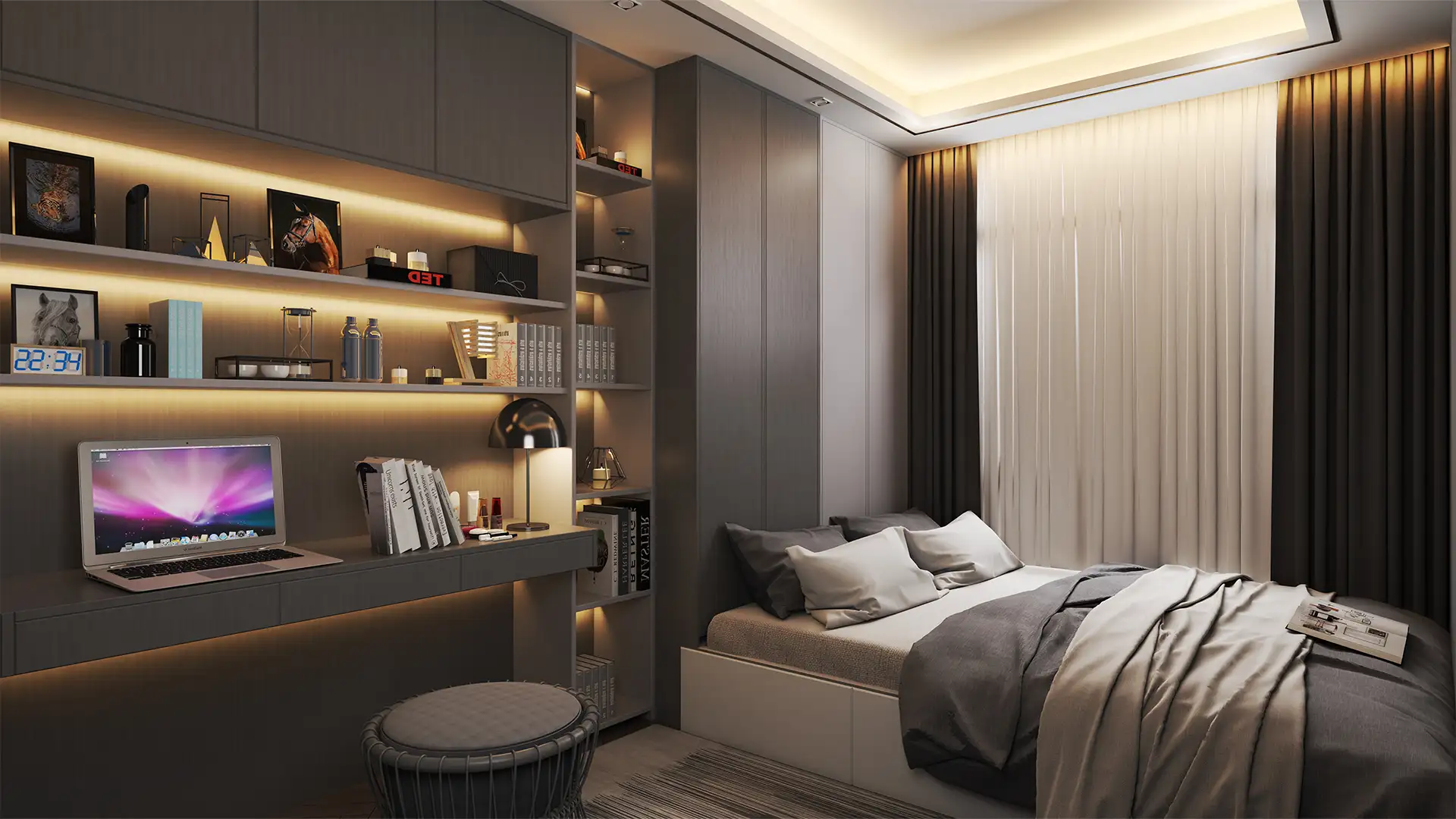
When designing a bedroom, many people focus on furniture style, color, or materials. While those elements are important, layout plays an even greater role in comfort. A poorly arranged room can feel cramped and stressful — even with beautiful furniture. On the other hand, a thoughtful layout creates calm, flow, and balance.
Understanding the role of layout in bedroom comfort allows you to maximize both space and relaxation. Whether your bedroom is spacious or compact, the way furniture is positioned determines how functional and inviting the space feels.
Let’s explore how to design a layout that enhances comfort without sacrificing style.
Start With the Bed Placement
The bed is the anchor of the room. Its position sets the tone for the entire layout.
For optimal comfort:
-
Place the bed on the longest uninterrupted wall
-
Avoid blocking windows
-
Keep it centered when possible
-
Allow access from both sides (if space permits)
Symmetry improves visual balance and makes the room feel more intentional. When the bed is positioned properly, everything else falls into place.
If you’re planning upgrades, you can shop Miami Furniture to explore bed frames designed to fit both large and compact layouts.
Maintain Clear Walking Paths
A comfortable bedroom requires easy movement.
Leave at least:
-
24–30 inches of walking space around the bed
-
Enough clearance for drawers to open fully
-
Unobstructed access to closets and doors
Even high-end furniture feels uncomfortable if movement is restricted.
A functional bedroom furniture layout prioritizes flow over overcrowding.
Balance Furniture Proportions
Scale matters just as much as placement.
Avoid:
-
Oversized dressers in small rooms
-
Bulky nightstands that crowd the bed
-
Tall headboards in low-ceiling spaces
Instead, choose furniture proportionate to your room size. Balanced proportions prevent visual heaviness and promote relaxation.
Use Symmetry for a Calming Effect
Symmetry naturally creates a sense of order.
Examples include:
-
Matching nightstands on both sides of the bed
-
Identical lamps
-
Balanced artwork placement
While asymmetrical layouts can work in modern designs, symmetry tends to feel more restful in bedrooms.
Position Storage Strategically
Storage placement impacts both convenience and space flow.
Best practices:
-
Keep dressers near closet areas
-
Place chests against less-trafficked walls
-
Avoid blocking natural light
Integrated storage supports a functional bedroom furniture layout without sacrificing openness.
Consider Natural Light Flow
Natural light improves mood and comfort.
Avoid placing:
-
Tall wardrobes in front of windows
-
Heavy furniture that blocks sunlight
Instead, position furniture to reflect and distribute light evenly across the room.
Light flow makes the bedroom feel larger and more inviting.
Create Defined Zones in Larger Bedrooms
In spacious bedrooms, layout becomes even more important.
You can create separate zones such as:
-
Sleeping area
-
Reading corner
-
Vanity space
Keep these zones visually connected but clearly defined through rug placement or furniture orientation.
When you shop Miami Furniture, consider collections that allow flexibility for multi-zone layouts.
Avoid Overcrowding the Space
Adding too many pieces disrupts comfort.
Stick to essentials:
-
Bed
-
Nightstands
-
Dresser
-
Optional accent chair
Leave breathing room between pieces. Negative space enhances visual calm and makes the bedroom feel more luxurious.
Align Furniture With Lifestyle Needs
Your daily habits should influence layout decisions.
For example:
-
If you read at night, ensure proper lighting placement.
-
If you share the room, allow equal storage access.
-
If you work from the bedroom occasionally, define a separate workspace corner.
Comfort increases when layout supports your routine.
Choose Layout Before Final Measurements
Before finalizing furniture dimensions, sketch your layout plan.
You can:
-
Draw a simple floor plan
-
Use painter’s tape to mark furniture outlines
-
Rearrange existing pieces temporarily
Planning ensures your design remains cohesive and practical.
A thoughtful functional bedroom furniture layout enhances both beauty and usability.
FAQ: The Role of Layout in Bedroom Comfort
1. Why is layout important in bedroom design?
Layout determines movement, accessibility, and overall relaxation.
2. How much space should be left around the bed?
Ideally 24–30 inches on accessible sides.
3. Should furniture always be symmetrical?
Not always, but symmetry often creates a more calming effect.
4. What defines a functional bedroom furniture layout?
Proper spacing, balanced proportions, and clear traffic flow define a functional bedroom furniture layout.
5. Can layout make a small bedroom feel bigger?
Yes, strategic placement and minimal clutter significantly improve spatial perception.
6. Where can I find layout-friendly bedroom furniture?
You can shop Miami Furniture to explore well-proportioned designs suited for efficient layouts.
Final Thoughts
Layout is the foundation of bedroom comfort. Even the most beautiful furniture cannot compensate for poor placement. By prioritizing flow, balance, scale, and functionality, you create a bedroom that feels calm and effortless.
A thoughtful layout transforms your space from simply furnished to truly livable. When every piece has purpose and placement, comfort becomes natural — and your bedroom becomes the retreat it’s meant to be.