
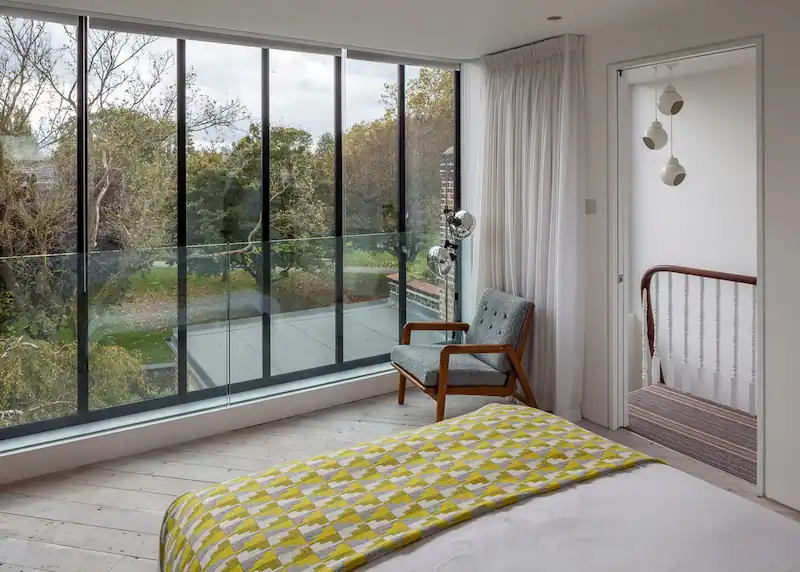
In many Miami condos and modern apartments, bedrooms feature sliding glass doors that open to balconies. While these doors provide beautiful natural light and outdoor access, they also create layout challenges. Improper furniture placement can block movement, restrict door operation, and reduce airflow.
Arranging bedroom furniture around sliding glass doors requires thoughtful spacing, accurate measurements, and proportional pieces. The goal is to maintain accessibility while preserving comfort and balance.
Let’s break down how to do it correctly.
Start With Door Clearance Measurements
Sliding glass doors require horizontal clearance rather than swing clearance, but you still need open access.
Measure:
- Full width of the sliding panel
- Track extension space
- Distance from door to adjacent walls
- Curtain or blind extension width
Avoid placing furniture that overlaps the sliding track or interferes with handle access.
If you’re planning to see space-saving bedroom layouts, you can review configurations that prioritize open pathways and balanced spacing.
Position the Bed Strategically
The bed should never block direct balcony access.
Ideal placements include:
- Against the longest solid wall
- Opposite the sliding door (if space allows)
- Offset slightly to maintain walkway clearance
Maintain at least 30 inches of walking space between the bed and the sliding door path. This ensures comfortable movement, especially in narrow rooms.
Before confirming your layout, many homeowners verify available bedroom sets to ensure dimensions align with door placement and delivery timing.
Avoid Placing Tall Furniture Beside the Glass
Tall dressers or wardrobes next to sliding doors can:
- Block natural light
- Interrupt airflow
- Make the room feel heavy
Instead, keep the area near the glass visually light.
Better alternatives:
- Low-profile nightstands
- Slim benches
- Floating shelves
If you want to see space-saving bedroom layouts, explore low-profile bedroom sets designed for compact condo living.
Maintain a Clear Balcony Path
In South Florida, balconies are used year-round. The path from the bed to the balcony should feel natural and unobstructed.
Avoid:
- Angled furniture
- Decorative chairs in walkways
- Storage trunks that narrow access
The balcony should feel like an extension of the bedroom, not an obstacle course.
Consider Curtain and Shade Movement
Window treatments need room to open fully.
Ensure:
- Furniture doesn’t block curtain stacking space
- Headboards aren’t too tall near curtain rods
- Dressers don’t interfere with motorized shades
Sliding doors often require wider curtain spans than standard windows.
Before making final selections, some residents verify available bedroom sets to coordinate furniture proportions with window treatment plans.
Use Low-Profile Beds for Visual Balance
In rooms with large glass doors, heavy or tall headboards may compete with natural light.
Low-profile beds:
- Preserve openness
- Maintain sightlines to the balcony
- Enhance modern aesthetics
If you’re planning to see space-saving bedroom layouts, review platform options that sit lower and feel lighter in sun-filled rooms.

Optimize Storage Without Blocking Access
Sliding glass doors already consume wall space, limiting placement options.
Consider:
- Vertical chests instead of wide dressers
- Beds with built-in drawers
- Wall-mounted shelving
This keeps floor space open while maintaining storage.
Think About Sunlight and Heat
Balcony-facing rooms receive strong sunlight.
Position furniture to:
- Avoid direct prolonged exposure
- Prevent fading
- Maintain airflow
Avoid placing upholstered pieces directly against sun-facing glass.
Many homeowners confirm dimensions and layout details when they verify available bedroom sets before arranging delivery in balcony-access rooms.
Electrical Outlet Planning
Sliding glass doors sometimes reduce available wall outlets.
Plan for:
- Nightstand lamp access
- Charging stations
- Cord management
Avoid running cords across walkways toward the balcony.
Maintain Visual Flow
To keep the room feeling spacious:
- Align furniture parallel to walls
- Avoid diagonal placement
- Keep large pieces centered and balanced
The sliding door should remain a focal point rather than a blocked feature.
If you’d like to see space-saving bedroom layouts, reviewing proportionally designed sets helps visualize effective spacing around balcony doors.
Final Thoughts
Arranging bedroom furniture around sliding glass doors and balcony access requires strategic planning. By maintaining clear walkways, selecting low-profile pieces, optimizing storage vertically, and respecting door clearance, you can preserve both comfort and functionality.
Sliding doors bring light, openness, and connection to the outdoors. Proper furniture placement ensures those benefits remain uninterrupted — creating a bedroom that feels bright, balanced, and easy to move through.