
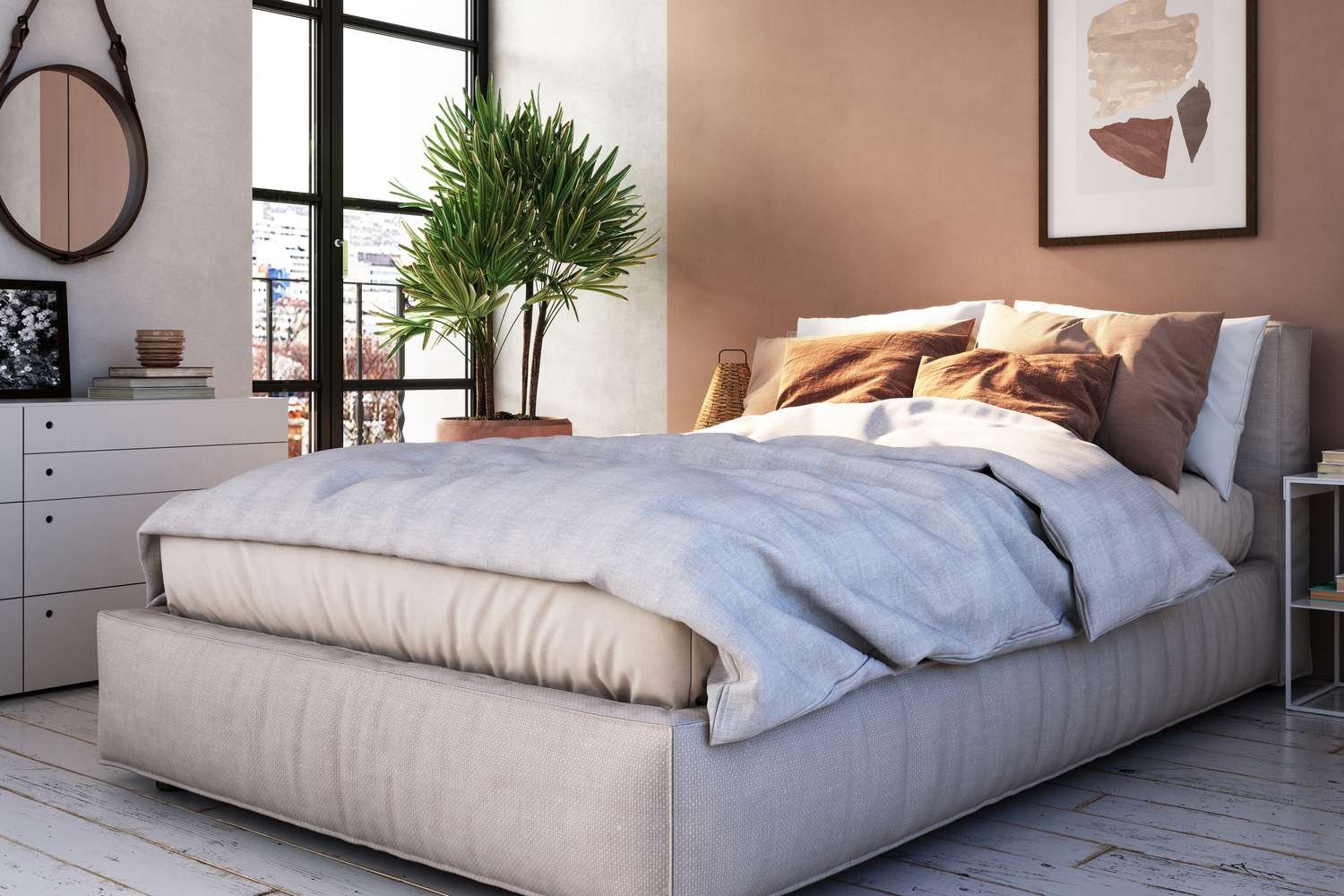
A mattress plays a critical role in sleep quality, comfort, and overall health, yet many people keep theirs far longer than recommended. Over time, even a high-quality mattress loses its ability to provide proper support and comfort. Understanding when to replace a mattress helps prevent sleep disruption, discomfort, and long-term health issues. For Miami homeowners, climate, lifestyle, and daily use can also influence how quickly a mattress wears out.
Many people begin evaluating their options by browsing shop Miami Furniture to understand what modern mattresses offer in terms of comfort, durability, and support. Comparing newer designs with older mattresses often highlights how much sleep technology has evolved.
Why Mattress Replacement Timing Matters
Mattresses are designed to support the body evenly, maintain spinal alignment, and reduce pressure points. As materials break down over time, this support gradually diminishes. A worn mattress can lead to restless sleep, stiffness, and frequent waking during the night.
Replacing a mattress at the right time helps maintain consistent sleep quality and reduces the risk of discomfort or long-term strain.
General Mattress Lifespan Guidelines
Most mattresses are designed to last between seven and ten years, depending on construction and materials. However, lifespan varies based on usage, body weight, sleep habits, and mattress quality.
Memory foam and hybrid mattresses often last longer than traditional innerspring designs, but no mattress lasts indefinitely.
Signs Your Mattress Needs Replacing
Visible wear is one of the most obvious indicators. Sagging, lumps, or uneven surfaces suggest the mattress is no longer providing consistent support. These changes often lead to discomfort and poor sleep posture.
Other signs include waking up with aches, difficulty getting comfortable, or feeling more rested when sleeping elsewhere. These symptoms often point to mattress fatigue.
Sleep Quality Changes Over Time
Sleep patterns can change gradually, making it easy to overlook mattress-related issues. Increased tossing and turning, frequent waking, or difficulty falling asleep may be linked to declining mattress performance.
If sleep quality has decreased without other clear explanations, the mattress may be a contributing factor.
Body Support and Spinal Alignment
Proper spinal alignment is essential for restful sleep. A mattress that has lost firmness or structure may allow the body to sink unevenly, placing stress on the spine and joints.
Over time, this misalignment can lead to chronic discomfort, especially in the lower back and neck.
Impact of Climate on Mattress Longevity
Miami’s warm and humid climate can affect mattress lifespan. Heat and moisture may accelerate material breakdown, particularly in older or lower-quality mattresses. Poor airflow can also contribute to odor retention or material degradation.
Mattresses designed with breathable layers and moisture-resistant materials tend to perform better in warm climates.
Mattress Type and Replacement Frequency
Different mattress types age differently. Innerspring mattresses may show signs of wear sooner due to coil fatigue. Memory foam mattresses often retain shape longer but can soften over time. Hybrid mattresses combine materials, balancing durability and comfort.
Understanding mattress construction helps set realistic expectations for replacement timing.
Weight and Usage Factors
Heavier body weight and frequent use can accelerate mattress wear. Couples often experience uneven wear due to concentrated pressure in specific areas. Rotating the mattress periodically can help distribute wear more evenly.
Mattresses in guest rooms may last longer due to infrequent use, while primary bedroom mattresses experience faster degradation.
Health Considerations and Sleep Needs
Health conditions can influence when a mattress should be replaced. Back pain, joint discomfort, or circulation issues may worsen on a worn mattress. Changes in health or sleep needs may also require different support levels.
Replacing a mattress can sometimes resolve persistent discomfort without additional interventions.
Hygiene and Mattress Age
Over time, mattresses accumulate dust, allergens, and moisture despite protective covers. Older mattresses may contribute to allergies or respiratory discomfort.
Regular cleaning and mattress protectors help, but replacement becomes necessary as hygiene issues increase with age.
Technology Improvements in Newer Mattresses
Mattress technology has advanced significantly in recent years. Newer designs offer improved pressure relief, temperature regulation, and motion isolation. Replacing an older mattress often results in noticeable improvements in comfort and sleep quality.
Comparing older models with current designs highlights the benefits of modern construction techniques.
Lifestyle Changes That Affect Replacement Timing
Lifestyle changes such as increased activity levels, new sleep positions, or changes in household size can impact mattress suitability. A mattress that once felt comfortable may no longer meet current needs.
Adjusting mattress choice to lifestyle changes supports better sleep outcomes.
Mattress Rotation and Maintenance
Proper maintenance can extend mattress lifespan. Rotating the mattress every few months helps distribute wear evenly. Using a supportive bed frame also prevents premature sagging.
However, maintenance can only delay replacement, not prevent it indefinitely.
Common Myths About Mattress Replacement
A common myth is that a mattress should only be replaced when it looks worn. In reality, internal support can degrade long before visible signs appear. Comfort changes are often more important indicators than appearance.
Another misconception is that higher-priced mattresses never need replacement. All mattresses eventually wear out, regardless of cost.
Evaluating Mattress Comfort Honestly
Comfort should be evaluated based on sleep quality, not habit. People often adapt to discomfort over time, assuming it’s normal. Paying attention to how the body feels upon waking provides clearer insight.
A supportive mattress should promote restful sleep without persistent discomfort.
Using Sleep Experience as a Guide
Keeping track of sleep quality over several weeks helps identify patterns. If discomfort persists despite adjustments to pillows or bedding, the mattress may be the underlying issue.
Sleep experience is one of the most reliable indicators of mattress performance.
Planning for Mattress Replacement
Planning ahead prevents rushed decisions. Understanding typical lifespan and monitoring comfort allows homeowners to prepare for replacement before sleep quality declines significantly.
Budgeting for replacement over time reduces stress and improves decision-making.
Making Informed Replacement Decisions
Replacing a mattress is an opportunity to reassess sleep needs. Firmness preferences, materials, and climate considerations should guide selection.
In another evaluation context, many homeowners consult a mattress replacement guide to understand how different designs support long-term comfort and durability. Reviewing guidance alongside product options helps clarify when and what to replace.
Supporting Better Sleep Over Time
Quality sleep supports physical health, mental clarity, and daily energy. A mattress that no longer performs as intended can undermine these benefits.
Modern mattress designs prioritize comfort, support, and longevity, making replacement a worthwhile investment in overall well-being.
Conclusion
Knowing how often to replace your mattress is essential for maintaining consistent sleep quality and comfort. While most mattresses last between seven and ten years, factors such as climate, usage, materials, and personal comfort needs can shorten or extend that timeline. By monitoring sleep quality, recognizing signs of wear, and exploring options through shop Miami Furniture and a trusted mattress replacement guide, homeowners can ensure their sleep environment continues to support restful, healthy sleep for years to come.