
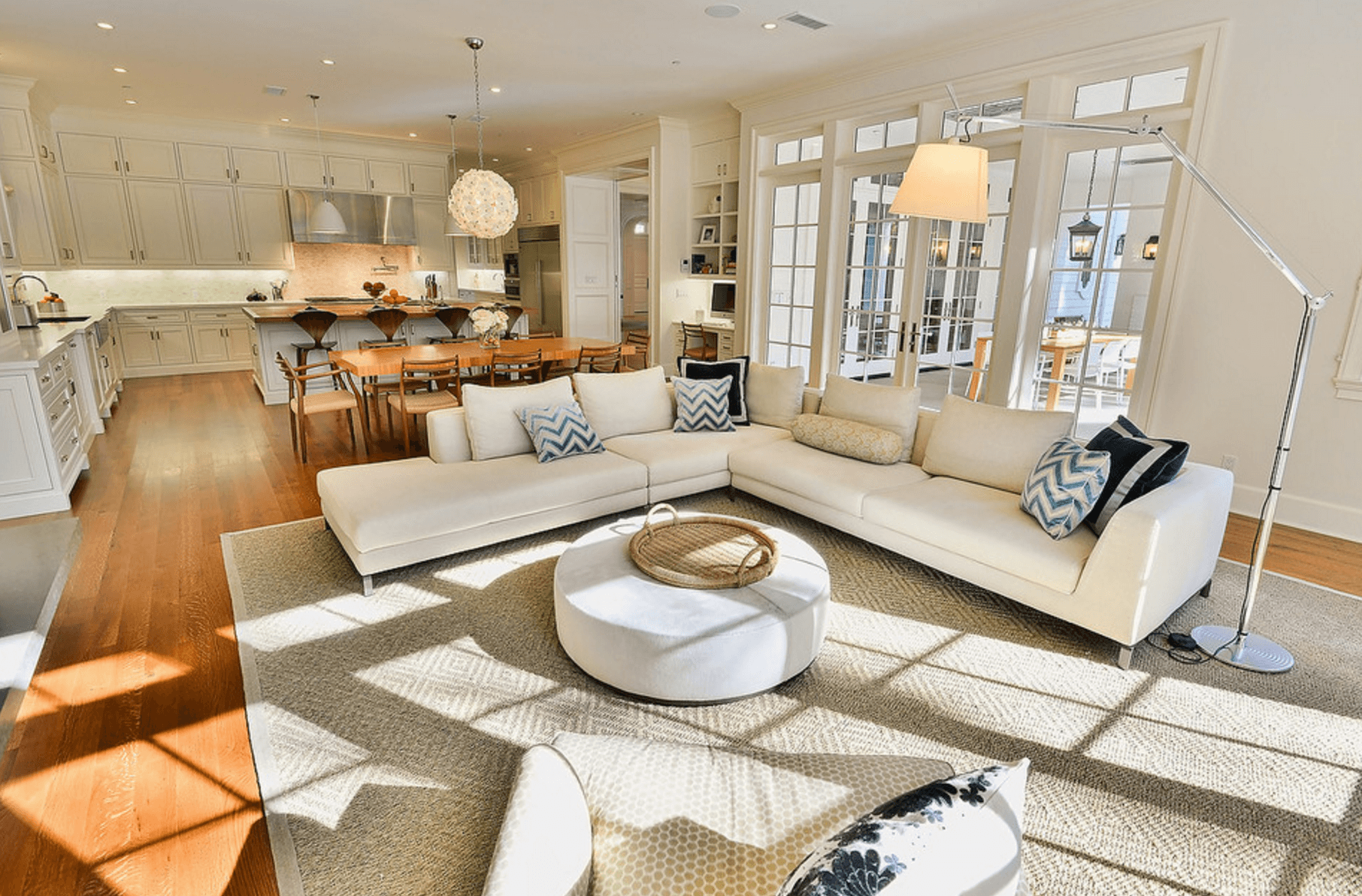
Open floor plans have become increasingly popular in modern Miami homes, offering flexibility, natural light, and a sense of spaciousness. While these layouts create visual openness, they also present unique challenges when it comes to furnishing and arranging living room furniture. Without walls to define boundaries, furniture layout plays a critical role in how functional and comfortable the space feels on a daily basis.
Many homeowners begin planning their layouts by exploring options at a Miami Furniture store to see how living room furniture is designed to work within open environments. Viewing coordinated pieces together helps clarify scale, spacing, and how different furniture elements interact in shared spaces.
Understand the Purpose of the Living Area
In an open floor plan, the living room often shares space with dining and kitchen areas. Before arranging furniture, it’s important to define how the living area will be used. Some households prioritize lounging and entertainment, while others focus on conversation or multi-purpose use.
Identifying the primary function of the living room helps guide furniture placement. This clarity prevents layouts from feeling scattered or undefined.
Use Furniture to Create Visual Zones
Since open floor plans lack physical dividers, furniture becomes the main tool for defining zones. Sofas, sectionals, and area rugs can visually separate the living room from adjacent spaces without blocking sightlines.
A well-placed sofa can act as a boundary, signaling where the living area begins and ends. This approach maintains openness while providing structure.
Choose the Right Scale of Furniture
Scale is especially important in open spaces. Furniture that is too small can feel lost, while oversized pieces may overpower the room. Selecting appropriately sized sofas, chairs, and tables helps anchor the living area within the larger layout.
Low-profile furniture often works well in Miami homes, preserving openness while still offering comfort and presence.
Anchor the Space With an Area Rug
An area rug is one of the most effective tools for defining a living room in an open floor plan. Rugs visually ground seating arrangements and help create a sense of cohesion.
The rug should be large enough to accommodate at least the front legs of major seating pieces. This connection reinforces the living room as a distinct zone within the open layout.
Arrange Seating for Conversation and Flow
Seating should be arranged to encourage interaction while allowing easy movement between zones. Avoid placing furniture in ways that block natural walkways or interrupt traffic flow between the kitchen, dining area, and living room.
Chairs and sofas should face each other when possible, creating a welcoming conversation area without closing off the space.
Balance Openness With Comfort
While open floor plans emphasize openness, comfort should not be sacrificed. Seating should feel supportive and inviting, not sparse or overly minimal. Cushioned sofas, supportive chairs, and accessible tables help the living room function comfortably for everyday use.
A balanced layout feels intentional rather than empty.
Use Consistent Design Elements
Consistency helps unify open spaces. Coordinating finishes, materials, and colors across furniture pieces creates visual harmony between the living room and adjacent areas. This doesn’t mean everything must match exactly, but shared design elements help maintain flow.
In another planning context, homeowners often browse living room collections to see how coordinated furniture pieces work together within open layouts. Collections simplify design decisions by ensuring visual consistency.
Position Tables for Functionality
Coffee tables and side tables should be placed within easy reach of seating without obstructing movement. In open floor plans, tables often serve multiple purposes, from holding drinks to supporting casual dining or work.
Choosing tables with rounded edges or slimmer profiles helps maintain smooth traffic flow.
Incorporate Storage Without Clutter
Storage furniture such as media consoles or shelving units should define the living area without closing it off. Low-profile consoles work well as subtle dividers while maintaining visibility across the space.
Avoid tall or bulky storage pieces that disrupt sightlines or create visual barriers.
Lighting to Define the Living Area
Lighting plays a major role in open floor plan layouts. Floor lamps, table lamps, and overhead fixtures help establish the living room as its own zone. Layered lighting creates flexibility for different times of day and activities.
Proper lighting also adds warmth, making the space feel comfortable rather than expansive and impersonal.
Keep Walkways Clear and Logical
Clear pathways are essential in open layouts. Furniture should never block natural movement between rooms. Maintaining at least three feet of clearance in major walkways helps ensure the space feels easy to navigate.
A layout that respects flow supports both functionality and comfort.
Use Accent Pieces Strategically
Accent chairs, ottomans, and benches can enhance seating flexibility without overwhelming the space. These pieces should complement the main seating arrangement and be easy to reposition when needed.
Lightweight accent furniture adds adaptability to open floor plans.
Consider Sightlines From Multiple Angles
In open layouts, the living room is visible from multiple angles. Furniture should look balanced and appealing from different viewpoints. Paying attention to furniture backs, symmetry, and spacing helps maintain a polished appearance throughout the space.
This consideration is especially important when the living room is visible from the kitchen or entryway.
Adapt the Layout to Lifestyle Changes
Open floor plans are valued for their flexibility. Furniture layouts should adapt easily to changes in routine, entertaining needs, or family dynamics. Modular seating and movable accent pieces support long-term usability.
Flexibility ensures the space continues to function well as needs evolve.
Maintain Visual Breathing Room
Avoid overfurnishing open spaces. Leaving some areas intentionally open helps preserve the airy feel that defines open floor plans. Visual breathing room enhances comfort and prevents the space from feeling crowded.
Less furniture, chosen thoughtfully, often delivers better results than filling every available area.
Supporting Everyday Living in Miami Homes
Open floor plans reflect Miami’s relaxed, social lifestyle. Furniture layouts that support connection, comfort, and ease of movement align naturally with this way of living.
Miami Furniture offers living room furniture options designed to work well within open layouts, balancing comfort, proportion, and visual flow for modern Miami homes.
Conclusion
Designing a living room furniture layout for an open floor plan requires thoughtful attention to scale, flow, and purpose. By using furniture to define zones, maintaining clear walkways, and selecting coordinated pieces, homeowners can create living rooms that feel comfortable and intentional without sacrificing openness. Exploring a Miami Furniture store and considering well-designed living room collections helps ensure open floor plans remain functional, inviting, and visually balanced for everyday use.