
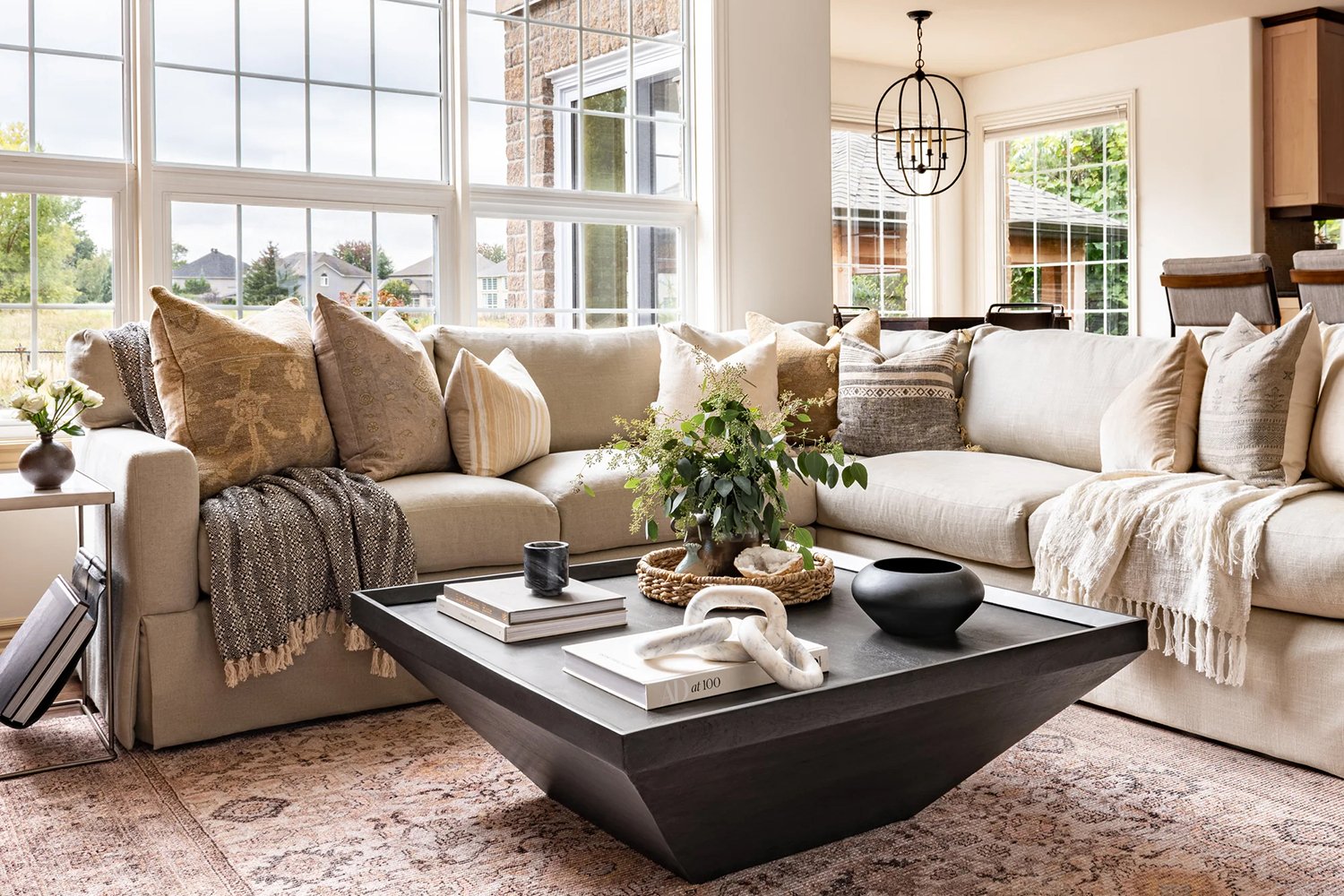
Choosing living room furniture can be exciting, but it can also be challenging—especially when you’re trying to balance comfort, style, and space. The living room is one of the most used areas in any home. It’s where you relax, entertain guests, and spend quality time with family, so the furniture you choose needs to work both visually and practically.
In this guide, we’ll explore how to choose living room furniture that fits your space perfectly, helping you avoid common mistakes and create a layout that feels comfortable, functional, and well-designed.
Start With Accurate Measurements
Before buying any furniture, measuring your living room is essential. Skipping this step often leads to overcrowded layouts or furniture that feels too small for the space.
Measure:
- Room length and width
- Doorways, hallways, and entry points
- Window and wall placements
Knowing your measurements allows you to choose furniture that fits proportionally. Browsing collections at a reliable shop Miami Furniture can also help you compare sizes and visualize how different pieces might look in your room.
Understand How You Use the Space
Every living room serves a different purpose. Some are designed mainly for entertaining, while others are for relaxation or family activities.
Ask yourself:
- Do you host guests often?
- Is the space used for watching TV daily?
- Do kids or pets use the room regularly?
- Does the living room double as a workspace?
Your answers will guide your furniture choices and help ensure the space supports your lifestyle rather than working against it.
Choose the Right Sofa Size and Style
The sofa is usually the largest and most important piece in the living room.
Tips for Choosing the Right Sofa
- Avoid oversized sofas in small rooms
- Choose slim arms and raised legs for compact spaces
- Sectionals work well in large or open-plan layouts
The sofa should allow enough room for movement while still offering comfortable seating. Always leave clear walkways to prevent the room from feeling cramped.
Balance Furniture Proportions
One common mistake is choosing furniture pieces that don’t work well together in scale.
- Pair large sofas with appropriately sized coffee tables
- Avoid tiny accent chairs next to bulky seating
- Keep side tables proportional to sofa height
Balanced proportions help the room feel cohesive and visually comfortable.
Plan the Layout Before You Buy
A well-thought-out layout makes a huge difference in how a living room feels.
Layout Tips
- Anchor furniture around a focal point (TV, fireplace, or window)
- Keep pathways open for easy movement
- Avoid pushing all furniture against walls
Floating furniture slightly away from walls often creates a more inviting and intentional layout.
Exploring different living room furniture options can help you plan combinations that suit your room size and shape.
Choose Multi-Functional Pieces for Smaller Spaces
If your living room is small or shared with other functions, multi-functional furniture is a smart choice.
Examples include:
- Storage ottomans
- Coffee tables with shelves or drawers
- Sleeper sofas for guests
These pieces help maximize functionality without overcrowding the room.
Consider Traffic Flow
Good traffic flow ensures people can move comfortably through the space without obstacles.
- Leave at least 30–36 inches for main walkways
- Avoid blocking doorways or hallways
- Keep frequently used items within easy reach
A layout with smooth flow feels more open and easier to use daily.
Select Materials That Match Your Lifestyle
Material choice affects durability, comfort, and maintenance.
- Leather and performance fabrics are easy to clean
- Durable upholstery works well for families
- Lighter fabrics suit low-traffic rooms
Choosing materials that match your lifestyle helps your furniture look good longer and reduces upkeep.
Use Rugs to Define the Space
Rugs play a big role in making living room furniture feel connected.
- Ensure all front furniture legs rest on the rug
- Avoid rugs that are too small
- Choose neutral patterns for long-term appeal
A properly sized rug visually anchors the seating area and adds warmth.
Avoid Overcrowding With Too Many Pieces
More furniture doesn’t always mean more comfort.
Avoid:
- Too many accent chairs
- Excessive side tables
- Decorative pieces that limit movement
A well-edited space feels calmer and more inviting.
Think Long-Term, Not Just Trends
Trendy furniture may look great now but can feel outdated quickly.
Instead:
- Choose neutral, timeless base pieces
- Add trends through pillows and décor
- Focus on quality construction
This approach allows flexibility while protecting your investment.
Final Thoughts
Choosing living room furniture that fits your space requires careful planning, accurate measurements, and thoughtful decision-making. When you consider how the room is used, select appropriately sized furniture, and plan a functional layout, you create a living room that feels comfortable and welcoming every day.
Whether you’re browsing online or ready to shop Miami Furniture, taking time to explore versatile living room furniture options will help you design a space that truly fits your home and lifestyle.