
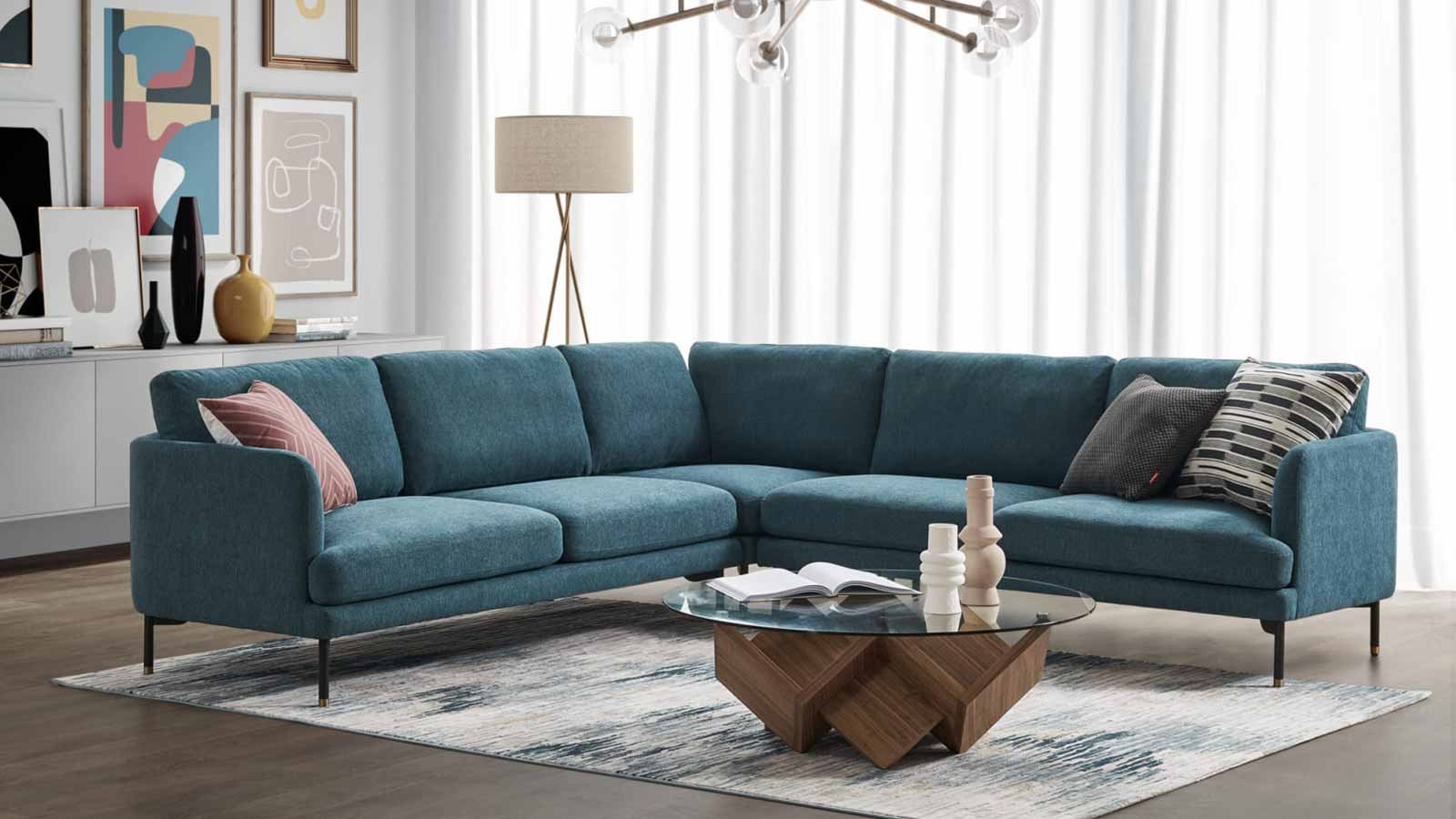
Choosing the right sectional sofa size is one of the most important decisions when furnishing a living room. While sectional sofas are known for comfort and flexibility, selecting the wrong size can disrupt flow, overwhelm the space, or limit functionality. In Miami homes—where layouts range from compact condos to expansive open-plan residences—understanding how size impacts usability and balance is essential.
Many homeowners begin evaluating options by visiting a Miami Furniture showroom to see how different sectional sizes fit real-life room layouts. Seeing scale and proportions in person often makes it easier to visualize how a sectional will interact with walls, walkways, and other furniture.
Start With Accurate Room Measurements
The foundation of choosing the right sectional sofa size is accurate measurement. Before considering style or configuration, it’s important to measure the length and width of the living room, including doorways, windows, and walkways. These dimensions determine how much space can comfortably be allocated to seating.
Clearances matter just as much as overall size. Leaving adequate space for walking paths, access to adjacent rooms, and furniture placement helps ensure the living room remains functional rather than crowded.
Understand How the Space Is Used
Sectional size should reflect how the living room is used on a daily basis. Some households prioritize lounging and relaxation, while others focus on entertaining or accommodating guests. A larger sectional may work well for social households, while a more compact design may better suit everyday use in smaller spaces.
Considering who uses the space—and how often—helps determine whether additional seating is necessary or if a streamlined sectional is more appropriate.
Consider the Shape of the Sectional
Sectional sofas come in various configurations, including L-shaped, U-shaped, and modular designs. Each shape impacts how much space the sofa occupies and how it defines the room.
L-shaped sectionals are versatile and work well in many layouts, while U-shaped sectionals provide maximum seating but require more space. Modular sectionals offer flexibility, allowing homeowners to adjust size and orientation as needed.
Balance Seating Capacity With Open Space
More seating isn’t always better. Overly large sectionals can dominate a room and limit flexibility. The goal is to provide enough seating without sacrificing openness or comfort.
A well-sized sectional allows the living room to breathe. It should feel inviting rather than overwhelming, with enough space left for tables, lighting, and movement.
Account for Visual Weight
Sectional sofas vary in visual weight depending on design. Deep cushions, thick arms, and tall backs can make a sofa feel larger than its actual footprint. In contrast, low-profile designs with slimmer arms appear lighter and more open.
In Miami interiors, where airy layouts are often preferred, visual lightness plays an important role in choosing the right sectional size.
Plan for Walkways and Traffic Flow
Traffic flow is critical in living room design. Sectionals should never block natural pathways between rooms or restrict access to doors and windows. Maintaining at least three feet of clearance in main walkways ensures ease of movement.
Proper placement prevents the sectional from feeling intrusive and helps the room function smoothly for daily activities.
Coordinate With Other Furniture Pieces
The sectional should work in harmony with other living room furniture. Coffee tables, side tables, media units, and accent chairs all require space. Choosing a sectional size that leaves room for these elements helps create a balanced layout.
A sectional that fits the room proportionally makes it easier to coordinate additional furniture without overcrowding.
Evaluate Ceiling Height and Room Proportions
Ceiling height influences how sectional size is perceived. Taller ceilings can accommodate larger sectionals without feeling heavy, while lower ceilings benefit from low-profile seating that maintains vertical openness.
Considering vertical proportions alongside floor space helps ensure the sectional complements the room’s architecture.
Modular Sectionals for Flexible Living
Modular sectionals are ideal for homeowners who value flexibility. These designs allow pieces to be added, removed, or rearranged based on changing needs. This adaptability is especially useful in Miami homes where layouts or lifestyles may evolve.
Modular designs also make it easier to adjust seating capacity without replacing the entire sofa.
Climate and Comfort Considerations
Miami’s warm climate influences furniture comfort. Sectional size should allow airflow around the seating area rather than trapping heat. Overly bulky designs can feel warmer and less breathable.
Choosing a sectional that supports comfort in warmer conditions enhances everyday usability.
Testing Comfort Before Finalizing Size
Comfort goes beyond dimensions. Seat depth, cushion firmness, and back support all affect how a sectional feels. A large sectional that lacks support may be less comfortable than a smaller, well-designed option.
Testing seating comfort helps ensure the chosen size supports extended use without discomfort.
Planning for Long-Term Use
Sectional sofas are often long-term investments. Choosing a size that works not only now but also in the future helps avoid costly replacements. Considering potential moves, renovations, or lifestyle changes ensures the sectional remains suitable over time.
Neutral sizes and flexible designs tend to adapt better to new spaces.
Visualizing the Layout in Advance
Sketching the room layout or using floor planning tools helps visualize how a sectional will fit. This planning step can reveal potential issues before purchase, such as tight walkways or blocked sightlines.
Visual planning reduces uncertainty and improves confidence in size selection.
Supporting a Cohesive Design
The sectional should complement the overall design of the living room. Its size, shape, and finish should align with the room’s style rather than overpower it. A well-proportioned sectional enhances cohesion rather than disrupting it.
In another selection context, homeowners often review sectional sofa options to compare sizes and configurations that align with both room dimensions and design goals. This comparison helps narrow choices to those that truly fit the space.
Avoiding Common Sizing Mistakes
Common mistakes include choosing a sectional that is too large for the room, ignoring walkway clearance, or underestimating visual weight. Avoiding these pitfalls leads to a more comfortable and functional living room.
Taking time to measure, plan, and evaluate options prevents costly errors.
Aligning Size With Lifestyle
Lifestyle habits should guide size decisions. Households that entertain frequently may benefit from larger seating, while quieter homes may prioritize open space over maximum capacity.
Matching sectional size to real-life use ensures the living room supports daily routines naturally.
Bringing Comfort and Function Together
The right sectional size enhances both comfort and usability. It supports relaxation, conversation, and movement without dominating the space. When chosen thoughtfully, the sectional becomes a seamless part of the living room rather than a limitation.
Miami Furniture offers sectional designs that balance scale, comfort, and flexibility, making it easier to find options that suit a wide range of living spaces.
Conclusion
Choosing the right sectional sofa size requires careful consideration of room dimensions, layout, lifestyle, and design preferences. By measuring accurately, planning for flow, and evaluating visual balance, homeowners can select sectionals that enhance comfort without overwhelming the space. Exploring a Miami Furniture showroom and reviewing well-designed sectional sofa options helps ensure the final choice fits both the room and everyday living needs in Miami homes.