
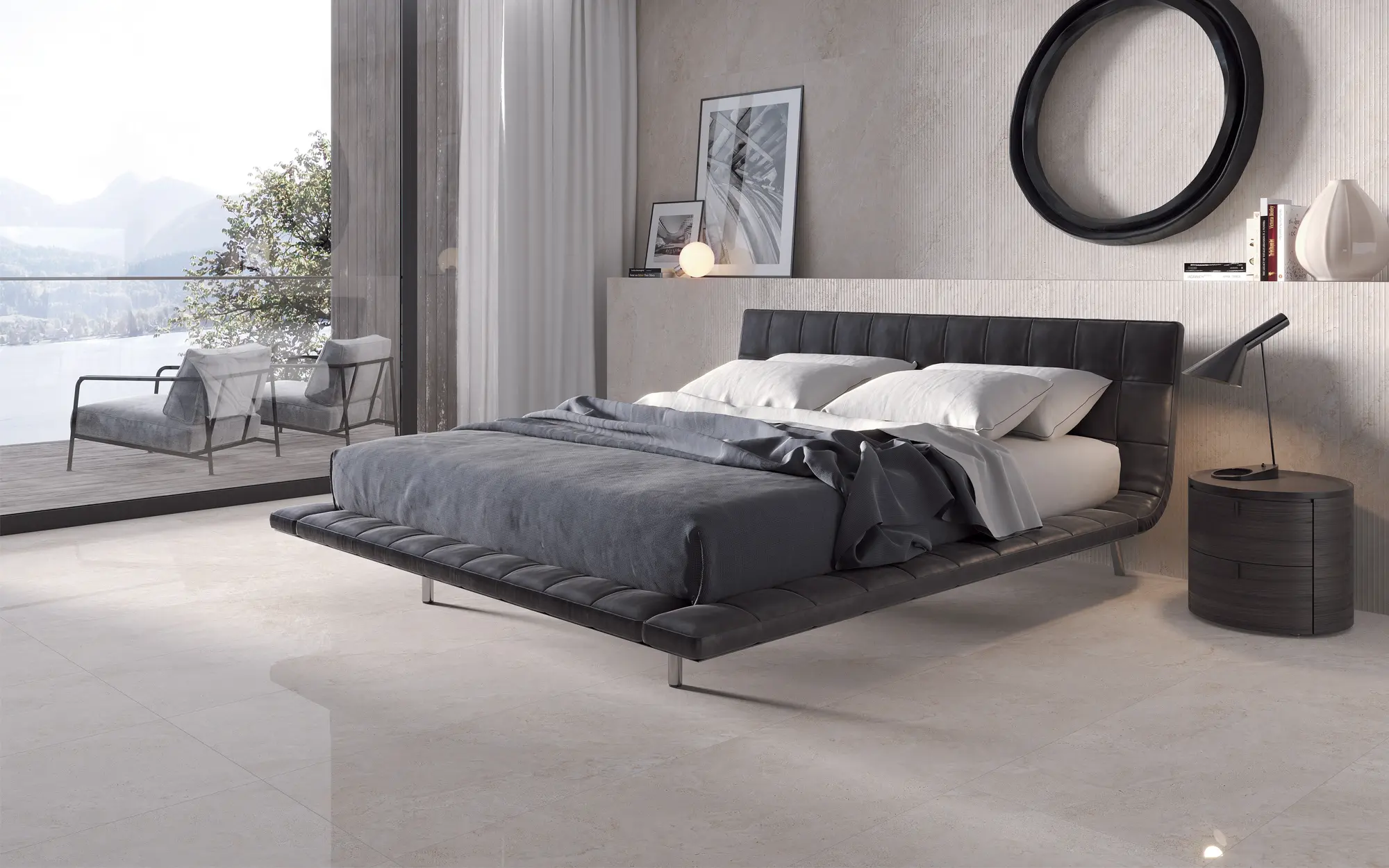
Choosing the right bed frame in South Florida requires more than just matching your décor. Tile flooring and humid coastal air create unique conditions that affect durability, stability, and long-term performance. The wrong materials can warp, rust, loosen, or shift over time. That’s why selecting the proper bed frame style is especially important in this region.
If your home has tile floors — which is common in Miami condos and coastal properties — you’ll also need to consider slip resistance, weight distribution, and moisture exposure. Let’s explore which bed frame styles truly perform best in humid climates while maintaining comfort and visual appeal.
Why Humidity Matters in Bed Frame Selection
South Florida humidity levels remain high throughout much of the year. Moisture in the air can affect certain materials over time.
Common issues include:
- Warping in low-quality wood
- Rust in untreated metal
- Loosening joints
- Mold growth in poorly ventilated frames
Selecting durable materials is essential for longevity.
If you want to view platform and panel bed options, you can explore configurations to compare styles suited for coastal environments.
Platform Beds: A Smart Choice for Tile Floors
Platform beds are among the most popular options for humid climates.
Benefits include:
- Low-profile design
- Strong mattress support without box springs
- Minimal moving parts
- Even weight distribution
On tile floors, platform beds provide stable footing. Look for models with rubberized or padded legs to prevent sliding.
Solid wood or reinforced engineered wood platforms perform well when properly sealed.
Before finalizing your selection, many homeowners verify models currently in stock to ensure availability aligns with delivery timelines.
Panel Beds: Classic and Durable
Panel beds feature a headboard and footboard with side rails that hold the mattress.
Why they work well:
- Strong structural support
- Balanced weight distribution
- Timeless design
In humid climates, it’s important to choose:
- Kiln-dried hardwood
- Moisture-resistant finishes
- Reinforced joints
Avoid low-grade particleboard frames, as they may absorb moisture and weaken over time.
If you want to view platform and panel bed options, comparing materials and finishes helps ensure long-term durability.
Metal Bed Frames: Pros and Cons
Metal frames can be suitable for tile floors, but material quality is critical.
Advantages:
- Lightweight
- Modern aesthetic
- Resistant to termites
Potential drawbacks:
- Rust in untreated steel
- Noise from shifting joints
- Slipping on smooth tile
Look for powder-coated finishes and reinforced welds to prevent corrosion. Adding anti-slip pads improves stability on tile surfaces.
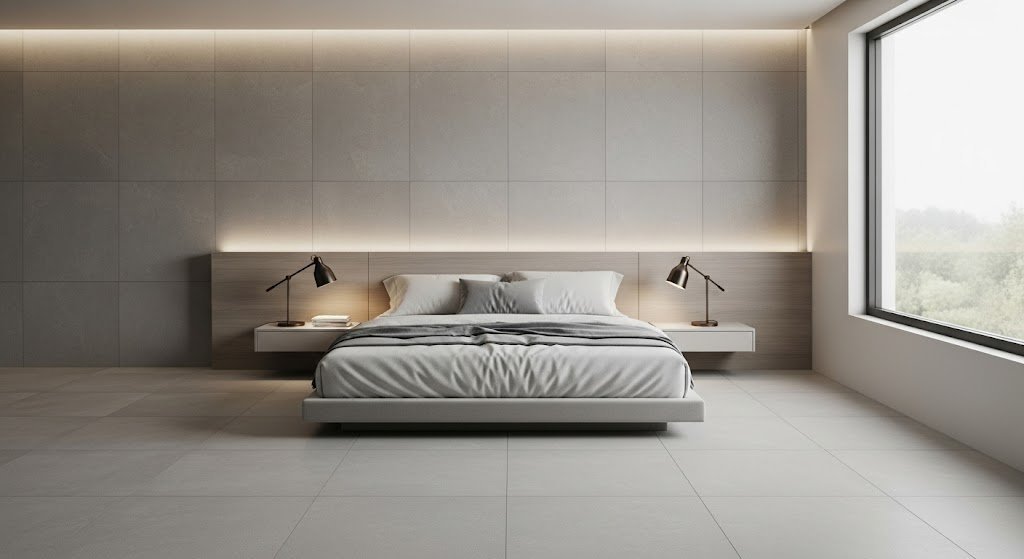
Upholstered Beds in Humid Climates
Upholstered beds add comfort and softness, but fabric choice matters.
In humid areas:
- Choose breathable fabrics
- Avoid overly thick padding
- Ensure good airflow beneath the bed
Velvet or heavy woven fabrics may trap moisture if the room lacks ventilation.
Regular cleaning and climate control help extend longevity.
Solid Wood vs Engineered Wood
Solid hardwood frames perform well when sealed properly.
Benefits:
- Greater durability
- Natural resistance to warping when kiln-dried
- Long lifespan
High-quality engineered wood can also perform well if moisture-resistant coatings are applied.
Avoid unsealed wood in high-humidity environments.
When exploring options, you can view platform and panel bed options to compare construction details.
Weight and Stability on Tile Floors
Tile floors are smooth and firm. Lightweight frames may shift more easily.
Consider:
- Heavier bed bases
- Wide leg supports
- Non-slip pads
- Center support beams for queen and king sizes
Proper weight distribution prevents wobbling and protects tile surfaces from scratches.
Elevation for Airflow
Humidity requires airflow beneath the mattress.
Platform and panel beds typically allow:
- Better ventilation
- Reduced moisture buildup
- Improved mattress longevity
Avoid placing mattresses directly on tile without proper support.
Minimalist vs Heavy Designs
In coastal environments, simpler designs often perform better.
Why?
- Fewer joints mean fewer weak points
- Reduced crevices limit moisture retention
- Easier maintenance
Bulky or overly ornate frames may trap dust and humidity.
Protective Finishes Matter
Look for:
- Sealed wood finishes
- Powder-coated metals
- Moisture-resistant lacquers
These protective layers significantly extend durability in humid climates.
Before purchase, many buyers confirm finish details when they view platform and panel bed options to ensure long-term performance.
Delivery and Climate Timing
Humidity can fluctuate seasonally. Coordinating delivery during drier periods may simplify setup.
Many residents review specifications and availability when they verify models currently in stock to align delivery with move-in schedules.
Proper preparation ensures smooth installation on tile surfaces.
Long-Term Maintenance Tips
To protect your bed frame in humid climates:
- Maintain indoor air conditioning
- Use dehumidifiers if needed
- Clean regularly to prevent moisture buildup
- Tighten bolts annually
These small steps extend the lifespan of your furniture.
Final Thoughts
The best bed frame styles for tile floors and humid climates prioritize stability, moisture resistance, and airflow. Platform and panel beds made from sealed hardwood or reinforced engineered materials typically perform best in South Florida homes.
By choosing quality finishes, proper support structures, and non-slip protection, you can ensure your bed frame remains durable and comfortable despite humidity challenges.
Selecting wisely today prevents long-term issues tomorrow — especially in coastal living environments.