
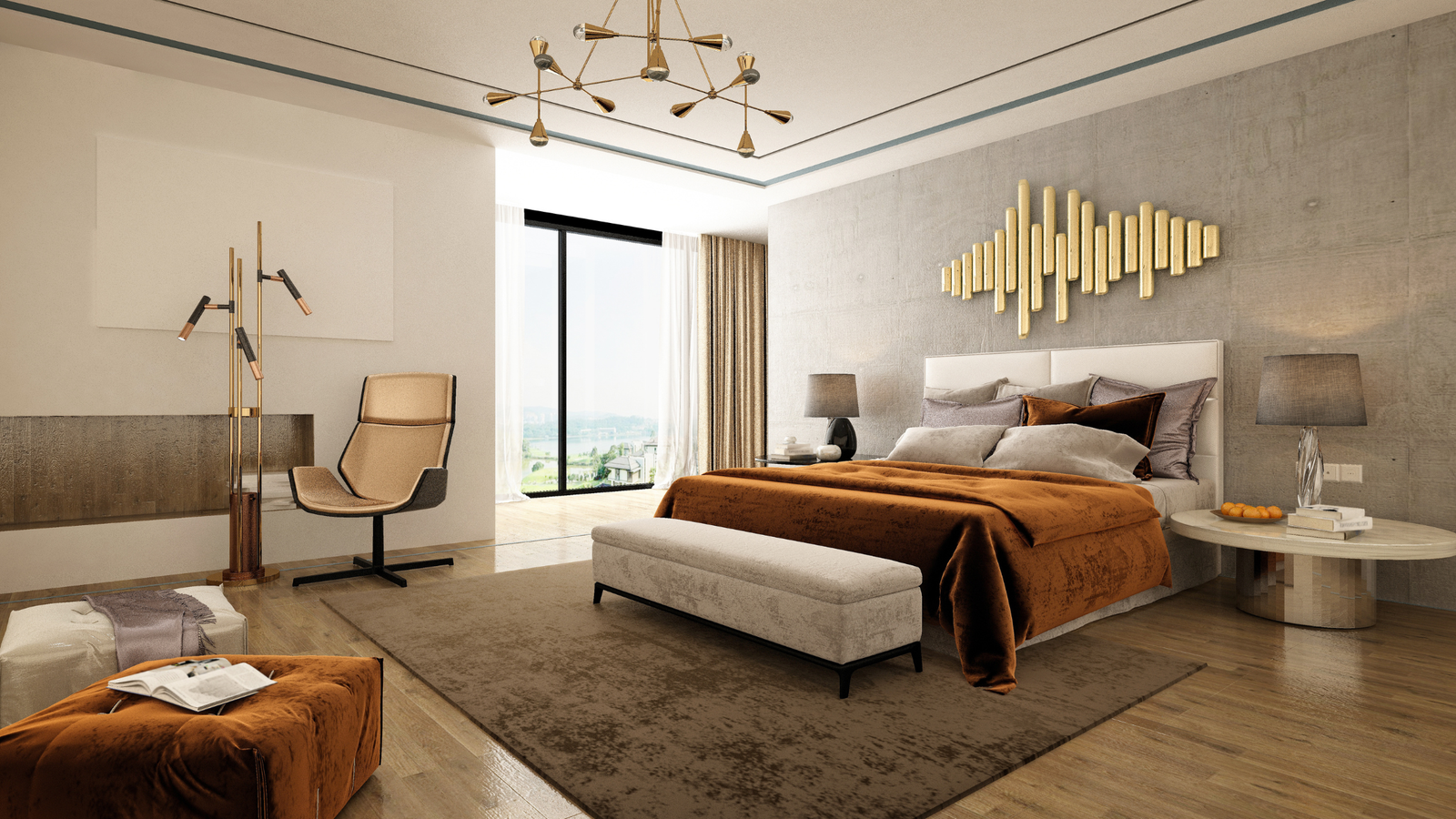
Headboards are more than decorative accents — they define the visual balance of a bedroom. In modern apartments, especially in cities like Miami where ceiling heights vary widely, choosing the right headboard height can dramatically impact how spacious or crowded a room feels.
Too tall, and the room may feel compressed. Too short, and the bed can look visually incomplete. The key is proportion — not just to the bed, but to the ceiling and wall height.
Let’s explore how to determine the ideal headboard height for modern apartment living.
Standard Headboard Height Guidelines
Most standard headboards range between 48 and 65 inches tall. However, this measurement alone does not determine suitability. What matters is how the headboard interacts with:
- Ceiling height
- Room width
- Bed size
- Overall furniture scale
In apartments with 8-foot ceilings (96 inches), a headboard taller than 60–65 inches may begin to feel dominant. In units with 9–10 foot ceilings, taller designs can create elegance without overwhelming the space.
If you’re planning to look at different headboard height styles, reviewing proportional options can help compare scale variations.
Low Ceilings (8 Feet or Less)
In apartments with lower ceilings, visual breathing room is essential.
Recommended headboard heights:
- 48–54 inches for queen beds
- 50–58 inches for king beds
Low-profile headboards:
- Maintain openness
- Prevent visual crowding
- Enhance horizontal flow
Avoid tall, heavily upholstered designs that extend too close to the ceiling line. A compressed vertical appearance can make the room feel smaller than it actually is.
Standard Ceilings (8–9 Feet)
This is the most common ceiling height in modern condos and apartments.
Here, balance becomes critical.
Ideal headboard heights:
- 54–62 inches
- Upholstered or panel styles
- Moderate vertical presence
This range adds elegance without overpowering the wall.
Before finalizing your choice, many homeowners review current headboard inventory to confirm available heights align with their ceiling proportions.
High Ceilings (9–10 Feet or More)
In apartments with higher ceilings, shorter headboards can feel visually lost.
In these spaces, taller headboards:
- Anchor the bed properly
- Fill vertical wall space
- Add architectural interest
Recommended heights:
- 60–70 inches
- Statement panel designs
- Extended upholstered styles
However, even with higher ceilings, ensure the headboard does not visually overpower other elements like artwork or lighting.
If you want to look at different headboard height styles, taller panel options may suit expansive wall space.
Bed Size and Headboard Proportion
Bed width also impacts ideal height.
For example:
Queen beds:
- Pair well with moderate-height headboards
- Look balanced around 54–60 inches
King beds:
- Support slightly taller profiles
- Often look proportional at 58–65 inches
The wider the bed, the more vertical presence the headboard can carry without looking oversized.
Upholstered vs Panel Headboards
Material and style influence visual weight.
Upholstered headboards:
- Add softness
- Appear thicker
- Can feel taller visually
Wood or panel headboards:
- Offer structured lines
- Feel lighter if slim
- Work well in minimal spaces
In smaller apartments, slim panel designs often maintain a cleaner look.
Wall Art and Lighting Placement
Consider what will be placed above or beside the headboard.
If you plan to:
- Hang artwork
- Install sconces
- Mount decorative panels
Leave adequate vertical spacing between the headboard and ceiling.
Overcrowding the upper wall area reduces openness.
To look at different headboard height styles, evaluate how much wall space remains after installation.
Visual Illusion and Room Perception
Headboard height affects how tall the room feels.
Taller headboards:
- Draw the eye upward
- Add drama
- Enhance luxury feel
Lower headboards:
- Emphasize horizontal space
- Make ceilings feel taller
- Suit minimalist layouts
In compact Miami apartments, lower or medium heights typically feel more balanced unless ceilings exceed nine feet.
Headboard Thickness Matters
Height isn’t the only measurement — thickness affects depth.
Bulky, padded designs:
- Extend further from the wall
- Consume visual space
- Feel heavier in tight rooms
Slim profiles:
- Preserve floor space
- Maintain airflow
- Look lighter visually
Proportion is about both vertical and horizontal balance.
Measuring Before You Buy
To determine ideal headboard height:
- Measure ceiling height
- Subtract mattress height (usually 10–14 inches)
- Leave at least 30 inches between top of headboard and ceiling in standard rooms
This ensures proper visual breathing room.
Many apartment residents review measurements and availability before committing, especially when they review current headboard inventory to confirm sizing options.
When to Go Custom Height
If your apartment has unique architectural features like:
- Tray ceilings
- Slanted ceilings
- Wall niches
You may need a custom or adjustable headboard height to maintain balance.
Custom scaling ensures your bed feels integrated rather than oversized or undersized.
Final Thoughts
How high should a headboard be? Ceiling height considerations in modern apartments ultimately come down to proportion, balance, and spatial awareness.
In 8-foot ceiling rooms, stick to moderate or low-profile designs. In higher-ceiling apartments, taller headboards can add elegance and structure. Always measure carefully and consider how the headboard interacts with lighting, artwork, and surrounding furniture.
When properly scaled, a headboard enhances both comfort and architectural harmony — transforming your bedroom into a balanced, well-designed retreat.