
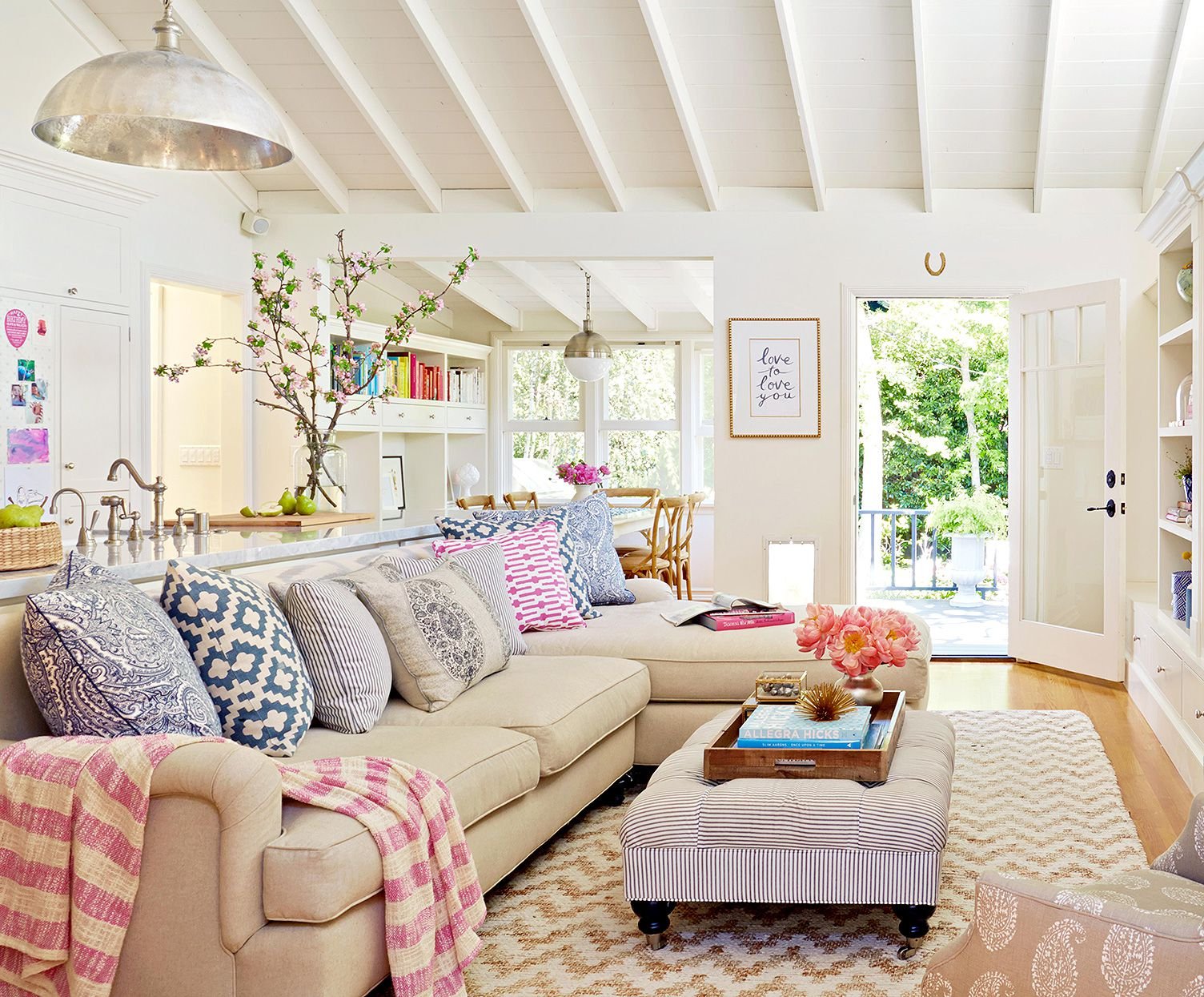
Open living spaces have become increasingly popular in modern homes, offering a sense of flow, flexibility, and visual openness. In these layouts, the dining area often blends seamlessly with the kitchen and living room, making furniture choices especially important. Selecting the right dining furniture helps define the dining zone while maintaining harmony with the rest of the space.
This article explains how to choose dining furniture for open living spaces, focusing on balance, functionality, and style to create a cohesive and inviting home environment.
Why Dining Furniture Matters in Open Layouts
In an open living space, dining furniture is always visible. Unlike enclosed dining rooms, there are no walls to separate areas, which means furniture choices directly impact the overall look and feel of the home.
Well-chosen dining furniture:
-
Defines the dining area
-
Enhances visual flow
-
Supports everyday functionality
-
Complements nearby living spaces
When homeowners shop Miami Furniture, they can explore collections designed to work seamlessly within open-concept layouts.
Understand the Flow of the Space
Before selecting dining furniture, it’s essential to consider how people move through the open space.
Key Flow Considerations
-
Maintain clear walkways
-
Allow space between dining and living areas
-
Avoid blocking sightlines
Furniture placement should support easy movement without making the area feel crowded.
Choose the Right Dining Table Size
Table size plays a major role in open living spaces.
Tips for Selecting Table Size
-
Measure the available dining area carefully
-
Leave enough room for chairs to move freely
-
Balance table size with nearby furniture
A table that’s too large can overwhelm the space, while one that’s too small may feel out of place.
Select a Table Shape That Fits the Layout
The shape of the dining table affects both function and aesthetics.
Common Table Shapes
-
Rectangular tables for longer spaces
-
Round tables for softer visual flow
-
Square tables for compact dining zones
Choosing the right shape helps the dining area feel intentional rather than crowded.
Coordinate Dining Furniture with the Living Area
In open layouts, dining furniture should complement nearby furniture styles.
How to Maintain Visual Harmony
-
Match or complement finishes
-
Use similar color tones
-
Keep design styles consistent
This creates a unified look throughout the open space.
Choose Dining Chairs That Balance Comfort and Style
Dining chairs must be both comfortable and visually appealing.
Chair Selection Tips
-
Choose slim-profile chairs to reduce visual bulk
-
Consider upholstered chairs for added comfort
-
Ensure chair height matches the table
Comfortable chairs encourage longer meals and gatherings.
Use Rugs to Define the Dining Area
Area rugs help visually separate the dining space from other zones.
Rug Guidelines
-
Choose a rug large enough to fit table and chairs
-
Select durable, easy-to-clean materials
-
Coordinate rug colors with furniture
Rugs add warmth and help anchor the dining area.
Think About Storage and Functionality
Dining furniture should support everyday needs.
Functional Additions
-
Sideboards or buffets
-
Storage benches
-
Expandable tables
These pieces provide storage while maintaining a clean look.
Exploring well-designed dining room furniture makes it easier to find pieces that combine style and practicality.
Lighting That Enhances the Dining Zone
Lighting plays a crucial role in defining the dining area.
Dining Lighting Tips
-
Use pendant lights above the table
-
Ensure proper scale with table size
-
Choose warm lighting for a welcoming feel
Lighting helps visually anchor the dining space within an open layout.
Material Choices That Suit Open Spaces
Materials should complement the overall design of the home.
Popular Dining Furniture Materials
-
Wood for warmth and versatility
-
Metal accents for modern appeal
-
Glass tops for a lighter visual feel
Durable materials ensure long-lasting performance in high-traffic areas.
Avoid Overcrowding the Space
Open living spaces benefit from restraint.
-
Choose fewer, well-proportioned pieces
-
Avoid bulky furniture
-
Leave breathing room around the dining area
A balanced layout enhances comfort and visual appeal.
Plan for Entertaining and Everyday Use
Dining furniture should support both daily meals and gatherings.
-
Consider extendable tables
-
Choose durable finishes
-
Ensure seating flexibility
This allows the dining area to adapt to different needs.
Long-Term Versatility Matters
Dining furniture should remain relevant over time.
-
Neutral designs adapt to décor changes
-
Quality construction ensures durability
-
Flexible layouts support evolving lifestyles
Versatile furniture offers better long-term value.
Final Thoughts
Choosing dining furniture for open living spaces requires careful consideration of size, flow, style, and functionality. The right dining furniture helps define the dining area while maintaining harmony with surrounding spaces.
When homeowners shop Miami Furniture and explore thoughtfully designed dining room furniture, they can create dining spaces that feel cohesive, comfortable, and perfectly suited to open-concept living.