
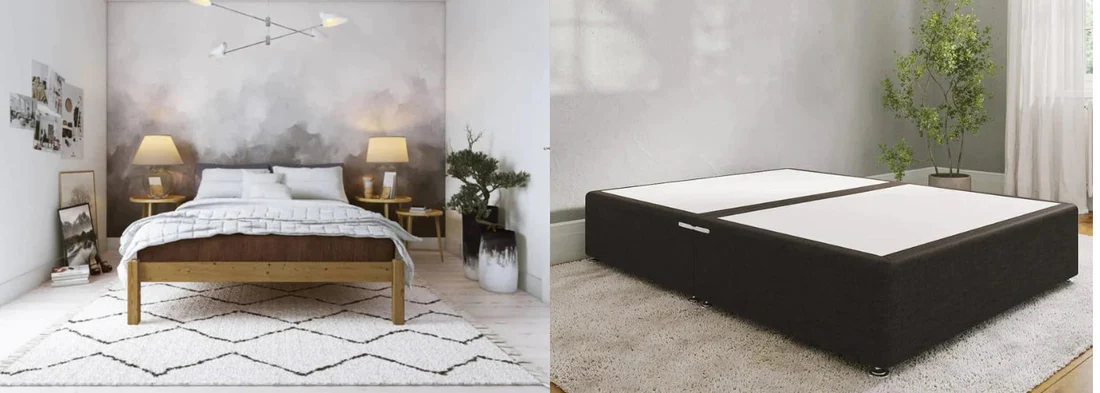
Choosing the right type of bed is an important decision when designing a comfortable and functional bedroom. Among the most common options, platform beds and traditional beds each offer distinct advantages and limitations. For Miami homeowners, where space planning, climate considerations, and modern design preferences all play a role, understanding these differences helps ensure a better long-term choice.
Many shoppers begin their research by browsing a shop Miami Furniture online to compare different bed styles and understand how each option fits into contemporary bedroom layouts. Seeing platform and traditional beds side by side often highlights practical differences that aren’t immediately obvious.
Understanding Platform Beds
Platform beds are designed with a solid or slatted base that supports the mattress directly, eliminating the need for a box spring. They typically feature a low-profile structure and are popular in modern and minimalist interiors.
The integrated support system makes platform beds a streamlined option, especially for homeowners who prefer clean lines and a simplified setup.
Advantages of Platform Beds
One of the main benefits of platform beds is their simplicity. Without the need for a box spring, the overall bed height is reduced, which can make rooms feel more open. This lower profile is particularly appealing in Miami condos and apartments with limited ceiling height or smaller bedrooms.
Platform beds also tend to provide firm, even support for mattresses, which can improve comfort and help maintain mattress shape over time.
Design and Style Benefits
Platform beds often align well with modern and contemporary bedroom styles. Their sleek silhouettes, understated headboards, and minimalist frames create a visually calm environment that complements modern décor.
This design flexibility allows platform beds to pair easily with a wide range of bedroom furniture and color schemes.
Understanding Traditional Beds
Traditional beds usually consist of a bed frame designed to hold a box spring and mattress together. These beds often feature more decorative elements, such as detailed headboards, footboards, or ornate frames.
Traditional beds are a familiar choice and remain popular in classic, transitional, and traditional bedroom designs.
Advantages of Traditional Beds
One key advantage of traditional beds is height. The combination of a frame, box spring, and mattress creates a taller sleeping surface, which many people find easier to get in and out of. This added height can be especially beneficial for those who prefer a more elevated bed.
Traditional beds also offer a wider range of decorative styles, making them ideal for homeowners who value detailed craftsmanship and timeless design.
Support and Comfort Considerations
With proper box spring support, traditional beds can provide excellent mattress longevity. The box spring absorbs shock and distributes weight evenly, which may help extend mattress life.
However, this setup requires ensuring compatibility between the mattress, box spring, and frame to avoid discomfort or instability.
Comparing Space Efficiency
Space efficiency is an important factor in Miami homes. Platform beds typically take up less vertical space and may include built-in storage options, such as drawers or lift-up platforms. These features help maximize functionality without adding extra furniture.
Traditional beds, while visually substantial, often require more space and may limit under-bed storage due to their design.
Storage Capabilities
Platform beds frequently incorporate storage solutions, making them practical for bedrooms with limited closet space. Built-in drawers or hidden compartments allow for organized storage without cluttering the room.
Traditional beds generally rely on external storage furniture, such as dressers or chests, which may require additional floor space.
Mattress Compatibility
Platform beds are compatible with many modern mattress types, including memory foam and hybrid mattresses. Their solid or slatted bases provide the support these mattresses need without additional components.
In another selection context, homeowners comparing platform and traditional beds often consider mattress compatibility as a deciding factor. Traditional beds work well with innerspring mattresses but may require careful pairing with newer mattress technologies.
Climate and Material Considerations
Miami’s climate influences bed selection more than many homeowners expect. Platform beds with slatted designs can improve airflow beneath the mattress, helping reduce heat retention and moisture buildup.
Traditional beds, depending on materials and construction, may trap more heat unless paired with breathable mattresses and bedding.
Noise and Stability
Platform beds are often praised for their stability. With fewer components, there is less opportunity for movement or noise. A solid platform base can reduce squeaking and shifting over time.
Traditional beds, while sturdy when properly assembled, may develop noise if the box spring or frame components loosen over time.
Ease of Assembly and Maintenance
Platform beds are generally easier to assemble due to their simplified construction. Fewer parts mean less maintenance and fewer adjustments over time.
Traditional beds may require more setup and occasional tightening of components to maintain stability and comfort.
Visual Impact and Room Design
The choice between platform and traditional beds significantly affects a room’s visual tone. Platform beds contribute to a clean, modern aesthetic, while traditional beds add presence and formality.
The best option depends on the overall design goal and how the bed interacts with other furniture pieces.
Budget and Long-Term Value
Platform beds can be more cost-effective because they eliminate the need for a box spring. However, higher-end designs may carry a premium price due to materials and integrated features.
Traditional beds may involve additional costs for box springs but often appeal to homeowners seeking classic design and long-term familiarity.
Choosing the Right Bed for Your Lifestyle
Lifestyle habits play a major role in bed selection. Those who value minimalism and easy maintenance may prefer platform beds, while those who enjoy classic design and elevated comfort may lean toward traditional beds.
Evaluating daily routines, room size, and comfort preferences helps guide the decision toward the most suitable option.
Bringing It All Together
Both platform and traditional beds offer unique benefits. The right choice depends on space, style, comfort needs, and long-term expectations. Understanding the strengths and limitations of each helps homeowners make confident decisions that support both sleep quality and bedroom design.
Miami Furniture provides a range of bed options designed to suit modern living preferences while addressing practical needs such as durability, comfort, and style compatibility.
Conclusion
Platform beds and traditional beds each bring distinct advantages to bedroom design. Platform beds offer streamlined support, modern style, and space efficiency, while traditional beds provide classic appeal, elevated comfort, and decorative presence. By comparing features, compatibility, and lifestyle needs, homeowners can choose the bed type that best supports comfort and functionality in Miami homes.